
Livraison le jour même ou le lendemain

Qualité garantie

Débloquez vos offres de bienvenue: Livraison GRATUITE | Jusqu'à -80 % | 30 jours d'essai gratuits à JoyPlus
Téléchargez l'application
Ants along the skirting boards, gnats around the plants, mosquitoes in the bedroom or flies in the kitchen: the term home insect control covers very different needs. Yet many products claim to be multi-purpose when they don't target the same pests or the same areas.
Before buying an insecticide or a trap, check three things: the target insect, the mode of action and the usage precautions. This approach helps you avoid unsuitable purchases and choose a solution that works for your home, whether it's a flat, a house or a rental property.
An indoor mosquito repellent may be designed to keep mosquitoes away, whereas an insecticide is used to treat certain surfaces or specific insects. A bed bug trap, on the other hand, is mainly for detecting their presence and capturing individuals. It doesn't necessarily replace a full treatment in the event of an infestation.
So start by checking the authorised use on the label. The phrase "flying and crawling insects" doesn't mean the product is suitable for every room, every surface or every level of infestation.
An odourless insecticide can make using it more comfortable, but this feature alone says nothing about the product's safety or its scope of application. An aerosol can still contain an active substance and may be flammable or harmful to aquatic organisms.
Before using it, check the instructions regarding children, pets, aquariums, food, ventilation and how long you need to wait before re-entering the room.
A fly trap or gnat trap needs to be positioned correctly and replaced when it's full. Yellow sticky traps for plants also lose their effectiveness when covered in insects or dust. Similarly, an electric diffuser requires a compatible mosquito repellent refill.
The real cost isn't just the purchase price: you also need to factor in refills and how often they need replacing.
A product intended for surfaces should not be sprayed into the air. The CLEANKILL universal spray, for example, is designed for application on window frames, doors, curtains, walls, cracks and thoroughfares, with ventilation required after treatment. Its product information states that it is not a space spray.
Conversely, a mosquito repellent aerosol may be designed for brief use in a ventilated room. Never spray it on your skin, face, food or near a naked flame.
European regulations on biocidal products require you to read the label and provided information before use. In particular, check:
A water-based or fragrance-free formula can reduce some residue or perceived odours, but it doesn't remove the need for usage precautions. Pressurised aerosols must be kept away from heat and any source of ignition.
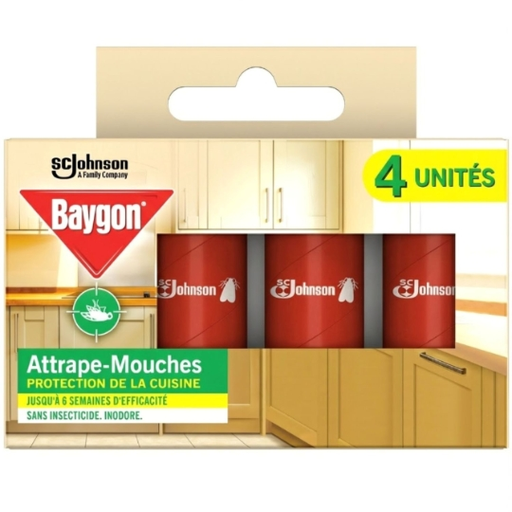
Why this choice suits this profile: This trap requires no electrical device and is ideal for anyone looking for a simple way to monitor flies in a room.
It doesn't rely on a promise of universal action: the product information states a targeted use, without insecticide, with replacement every 6 weeks or as soon as the strip is covered.
Pack of 4 strips, indoor use and stated to be insecticide-free. According to the product information, one strip covers approximately 10 m².
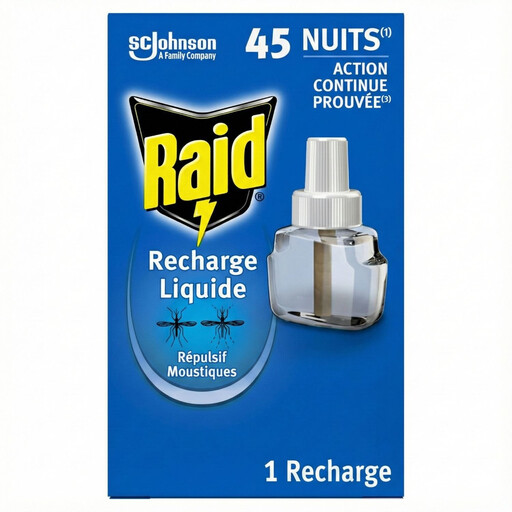
Why this choice suits this profile: The diffuser-refill duo is aimed at users who prefer discreet, continuous protection during mosquito season.
The refill screws into a compatible diffuser. This means you can plan its replacement rather than buying a whole new device.
Fragrance-free formula, 32 ml bottle and stated autonomy of up to 45 nights of 8 hours, according to the product specifications.
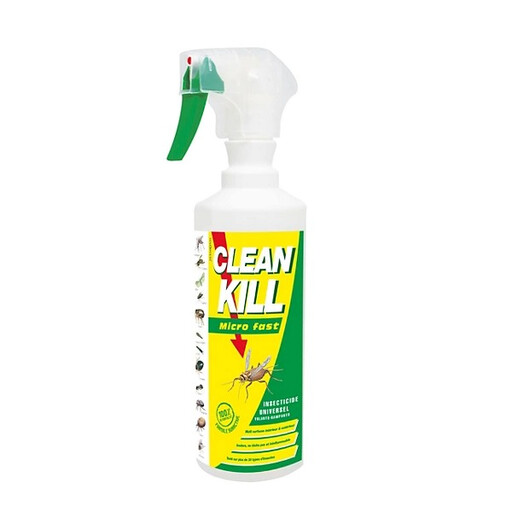
Why this choice suits this profile: Its 500 ml format and targeted surface application are suitable for a home dealing with several thoroughfares.
The product information clearly distinguishes surface application from space spraying. This clarity reduces the risk of incorrect use.
Stated to be odourless and non-flammable, quick-drying and can be used on several types of surfaces, according to the label.
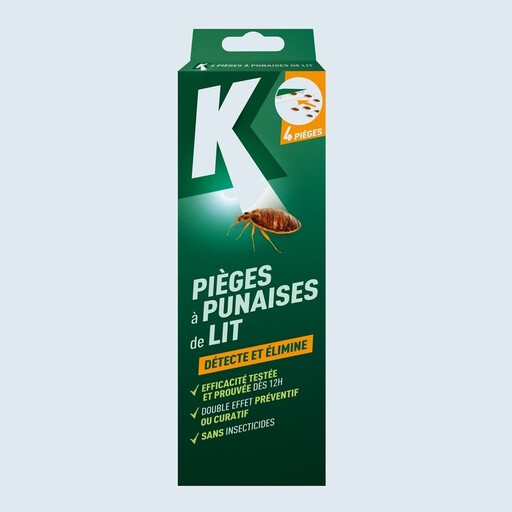
Why this choice suits this profile: This device is suitable for anyone who wants to check a suspicion near a bed, sofa, skirting board or headboard.
It meets a detection need, rather than a general promise of elimination. The product information recommends checking the traps regularly and placing two per bed.
Pack of 2 traps with a textured surface, adhesive area and placement near potential hiding spots.
We've put together a comprehensive, real-time updated selection of products that meet these demanding criteria and European safety regulations.
Place traps out of reach of children and pets, away from food and kitchen utensils. With an aerosol product, ventilate the room and keep away from flames, sparks and hot surfaces. Never spray directly onto skin, face, an animal or an aquarium, unless the label explicitly allows it.
For ants and cockroaches, treat only the cracks, skirting boards, frames and designated thoroughfares. For plants, install the yellow traps near the leaves or compost, then remove them when they are full.
For mosquitoes, compare a diffuser with refill and a spot-use aerosol. The choice depends on how long you need protection, whether you can ventilate the room and the instructions regarding children or pets. A trap doesn't serve the same purpose as a repellent.
The duration depends on the model and how full it gets. The BAYGON trap's product information recommends replacement every 6 weeks, or sooner if the strip is covered in insects. Always follow the instructions for the product you've bought.
They can capture adult insects around plants, but they won't necessarily deal with the larvae or the root cause in the compost. Keep an eye on the plants' condition, control your watering and follow the recommended care measures.