
Livraison le jour même ou le lendemain

Qualité garantie

Débloquez vos offres de bienvenue: Livraison GRATUITE | Jusqu'à -80 % | 30 jours d'essai gratuits à JoyPlus
Téléchargez l'application
Flies in the kitchen, mosquitoes in the bedroom, ants near the windows or a suspicion of bed bugs: choosing the right home insect control depends first and foremost on the target insect, the area to be treated and the scale of the problem. An aerosol, a fly trap or a repellent device each serve a different purpose.
Before you buy, take a moment to avoid three common mistakes.
For flying insects, choose an insect spray, a fly trap or a mosquito repellent depending on your goal. Against ants and cockroaches, a home insecticide applied into cracks, along skirting boards and in high-traffic areas may be more suitable.
Yellow sticky traps are best for monitoring or catching insects attracted to colour, particularly around plants and against fruit flies. However, they don't address the root cause of the problem: accessible food, humidity, waste or overwatered compost.
If you suspect bed bugs, a bed bug trap can help confirm their presence near the mattress base, headboard or skirting boards. But it should not be considered a complete treatment for the home.
Volume alone isn't enough to compare two products. Check the method of application, how often it needs to be replaced, and the surface area or duration stated on the packaging.
A 300 ml aerosol may be intended for spot treatments, while a 500 ml bottle designed for surfaces could allow for several applications. Some devices work for several nights but require a compatible diffuser and a refill.
Claims like "up to 4 hours" or "up to 45 nights" correspond to durations stated under the conditions specified on the product sheet. Ventilation, room size and frequency of use can all affect the results you get at home.
Biocidal products must be used in accordance with their label and instructions. In particular, check:
A product marketed as fragrance-free may still be flammable, harmful to aquatic life or irritating to the eyes. Always keep the original packaging and follow local guidelines for waste disposal.
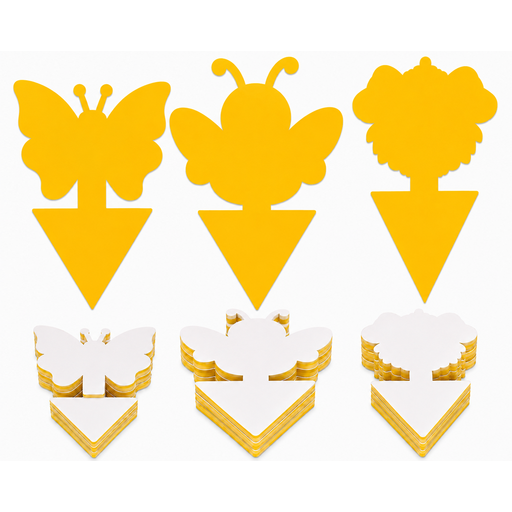
Why this choice suits this profile: An easy-to-use format that can be placed around houseplants and in areas where small insects are visible, with no spraying required.
It doesn't claim to treat all household insects: its targeted use lets you choose a solution that matches the problem you've observed.
30 units, sticky design and sheet format suitable for houseplants.
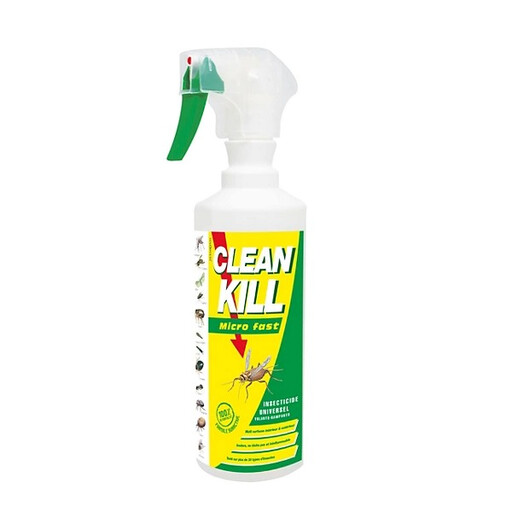
Why this choice suits this profile: This versatile spray is ideal for households that want to treat different high-traffic areas with a single product, following the authorised uses on the label.
The product sheet states application onto surfaces, from 20–30 cm, not spraying into the air. This clarity reduces the risk of misuse.
500 ml, claimed odourless and non-flammable formula, with fast drying as per the description provided.
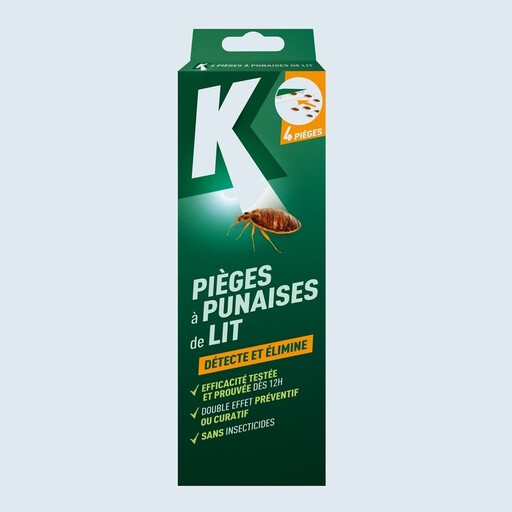
Why this choice suits this profile: Homeowners, hotels and tenants who are unsure can monitor the area around a bed or sofa without treating the whole room blindly.
This is a detection and capture device, not a complete disinfestation solution. It lets you test a hypothesis before taking action.
Two traps, to be placed near the mattress base, headboard, skirting boards or a sofa.
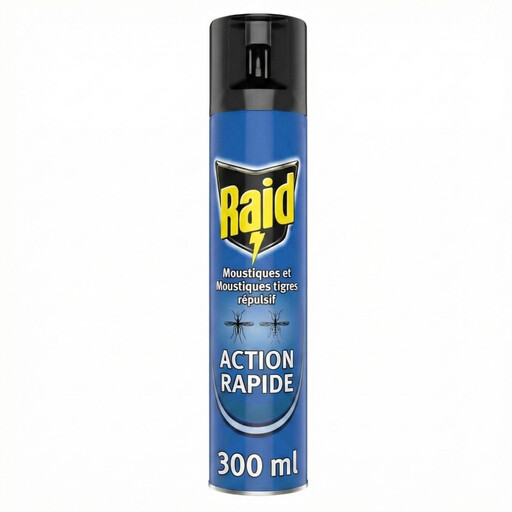
Why this choice suits this profile: It's aimed at people looking for a water-based mosquito repellent with no added fragrance, for occasional indoor use.
The product sheet states a repellent action and a duration of up to 4 hours, without presenting it as a universal insecticide.
300 ml, water-based formula, no added fragrance and easy application thanks to the aerosol format.
We've put together a comprehensive, real-time updated list of products that meet these strict selection criteria and European safety regulations.
Start by distinguishing prevention from treating an occasional presence. An aerosol mosquito repellent can be used for the duration stated on its label, while a refillable diffuser is designed to work continuously over a set period. In both cases, ventilate the room, keep the device away from aquariums and follow the precautions regarding children and pets.
The lifespan depends on the model and how saturated it becomes. The Baygon insecticide-free fly trap should be replaced every six weeks or as soon as it's covered with insects, using one trap per 10 m². Avoid placing it in direct sunlight or a draught, and keep it out of reach of children and pets.
A trap can detect, capture or locally reduce the presence of insects, but its role depends on the product used. Against ants and cockroaches, inspect cracks, skirting boards, pipe entry points and food sources. For bed bugs, place a detection trap near the bed and call in a specialist company if their presence is confirmed or persists.