
Livraison le jour même ou le lendemain

Qualité garantie

Débloquez vos offres de bienvenue: Livraison GRATUITE | Jusqu'à -80 % | 30 jours d'essai gratuits à JoyPlus
Téléchargez l'application
Setting up your own workout space is an excellent idea, but the home fitness equipment market can quickly become overwhelming. Between marketing promises and reality, it's easy to make a poor investment. Before you pull out your credit card, let's review the most common pitfalls to avoid them and make the right choice.
The first pitfall is falling for cheap "all-in-one" stations. They promise dozens of exercises but often turn out to be unstable, poorly designed, and limit your range of motion. The result: an ineffective and even dangerous workout. Another classic trap is underestimating the quality of materials. A frame made of thin steel or an unrealistic weight capacity doesn't just shorten your equipment's lifespan—it directly puts your safety at risk. Finally, many people focus on large machines and forget about accessories, which are the key to a comprehensive and versatile at-home program.
To build a home gym that will last for the long haul, certain technical points are non-negotiable. Mastering them will help you sort through the options and invest wisely.
For any equipment that supports your body weight, like a multi-function weight station or a power tower, sturdiness is the number one criterion. There are two key details to check first:
The true versatility of strength training equipment isn't measured by the number of features on paper, but by their practicality. The equipment should adapt to you, not the other way around.
An effective home gym is more than just a single machine. Fitness accessories are true game-changers for versatility. Resistance bands allow you to work on strength and mobility with progressive tension. Yoga blocks help correct posture and deepen stretches. These small, space-saving, and affordable items are essential for an at-home strength training program that covers warm-ups, the main workout, and recovery.
Everyone has specific goals and constraints. Here is a selection of products designed for different needs, all while keeping our criteria for quality and functionality in mind.
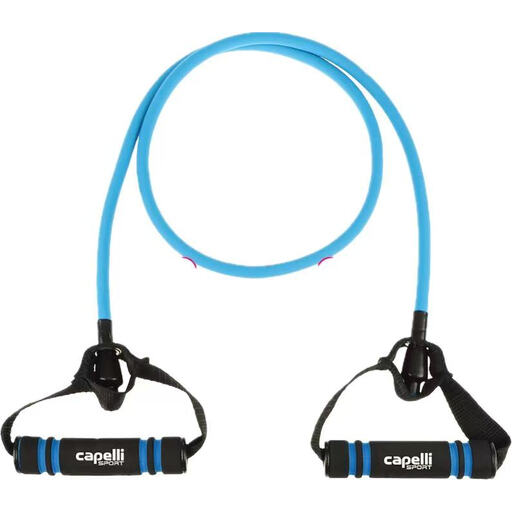
Why we recommend it: Perfect for getting started with at-home strength training without breaking the bank or sacrificing space. Its versatility allows you to target all muscle groups, from rehabilitation to physical conditioning. Its compact size makes it incredibly easy to store or take with you.
This accessory counters the pitfall of the cheap "all-in-one" machine. It focuses on doing one thing, and it does it perfectly. It's proof that a simple tool is often more effective than a poorly designed, overly complicated setup.
Durable TPE material ensures consistent elasticity over time. Comfortable foam handles provide a secure grip, ideal for bicep curls or lateral raises.
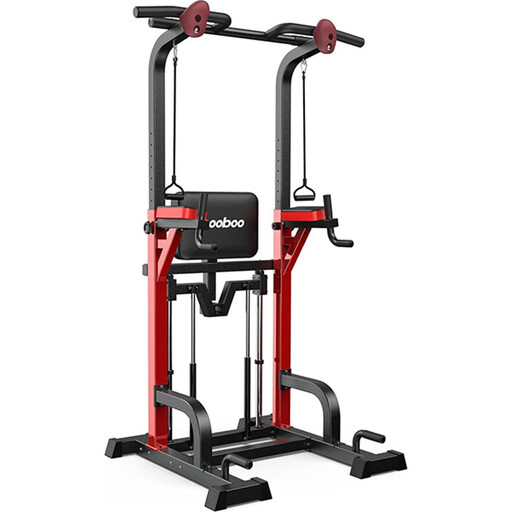
Why we recommend it: This is the cornerstone for anyone serious about bodyweight training. It combines a pull-up bar, a dip station, and push-up handles, forming an ultra-solid foundation for a complete upper body and core workout.
This model tackles the problem of stability and material quality head-on. Its professional-grade steel frame and 480 LBS (approx. 217 kg) weight capacity guarantee rock-solid safety and durability.
Adjustable height to suit all users. Reinforced structure for maximum stability, even during explosive movements. Highly versatile: pull-ups, dips, leg raises, and more.
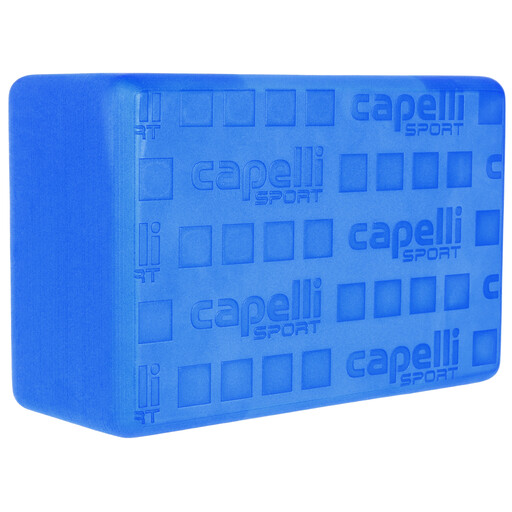
Why we recommend it: The essential accessory for yoga, Pilates, or even meditation. This block helps you find the right alignment, safely deepen poses, and provides stable support, no matter your flexibility level. Dimensions: 4x6x9 inches (approx. 10x15x23 cm).
This product avoids the classic trap of focusing solely on strength. It serves as a reminder of the importance of flexibility, balance, and posture—pillars that are too often overlooked in an at-home fitness program.
Made from high-density PE foam, it offers firmer, more durable support than standard EVA blocks. Its non-slip surface and bevelled edges ensure excellent stability and an easy grip.
We've curated a complete selection of products that meet our standards for quality and safety.
It all depends on your ambitions! You can start very effectively in the corner of a living room with a mat, resistance bands, and a few dumbbells. For larger equipment like a power tower, plan for a floor space of about 2m x 2m (6.5 ft x 6.5 ft) and enough ceiling clearance to do pull-ups without hitting your head.
The longevity of your equipment depends directly on its build quality and maintenance. Entry-level equipment, with its thin steel and weak welds, can fail in less than a year. Conversely, a machine with a sturdy steel frame that is regularly maintained (tightening bolts, cleaning) will last you for many years to come.
Absolutely. The key to progress is progressive overload (increasing the difficulty over time), a principle that is perfectly applicable at home. By combining bodyweight exercises on a quality station, using resistance bands to increase the challenge, and focusing on perfect form, you can achieve results that are just as impressive as those you'd get in a commercial gym.