
Livraison le jour même ou le lendemain

Qualité garantie

Débloquez vos offres de bienvenue: Livraison GRATUITE | Jusqu'à -80 % | 30 jours d'essai gratuits à JoyPlus
Téléchargez l'application
A tidy home or garden is the promise of a more serene daily life. The problem? The storage market is a jungle, saturated with products whose marketing claims are sometimes disconnected from reality. To prevent a promising purchase from turning into a costly regret, it's crucial to know how to read between the lines of product descriptions and spot hidden flaws.
Identifying common pitfalls is the first step to making an informed choice. Here are three of the most frequent ones:
For successful and lasting home organisation and garden storage, you need to know how to decipher the technical specifications and not just rely on photos.
The choice of material is crucial for the longevity of your storage solution, especially for outdoor storage.
Don't fall into the trap of overall dimensions. Always check the internal (or usable) dimensions. For a chest intended for document protection, ensure the internal width and depth are greater than 21?x?29.7?cm to store A4 sheets without folding them. For a garden shed, compare the door dimensions to those of your largest equipment (lawnmower, barbecue, bikes).
For security products like a fireproof safe, certifications are your only objective guarantee.
Every organisational need is unique. Here are recommended options, paired with specific user profiles to help you visualise their relevance in your daily life.
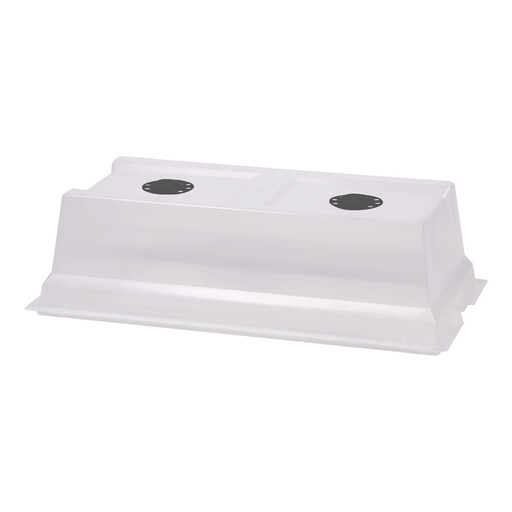
Why it's a match: Perfect for growing your own herbs, strawberries, or cherry tomatoes in a small space. Its compact dimensions make it an excellent mini greenhouse for a balcony or terrace, without sacrificing functionality.
There are no nasty surprises here: its function is clear and its format is designed for small spaces, sidestepping the trap of misleading dimensions.
The dual adjustable ventilation system allows you to control the internal climate, promoting healthy plant growth. Its transparency makes it easy to monitor your crops.
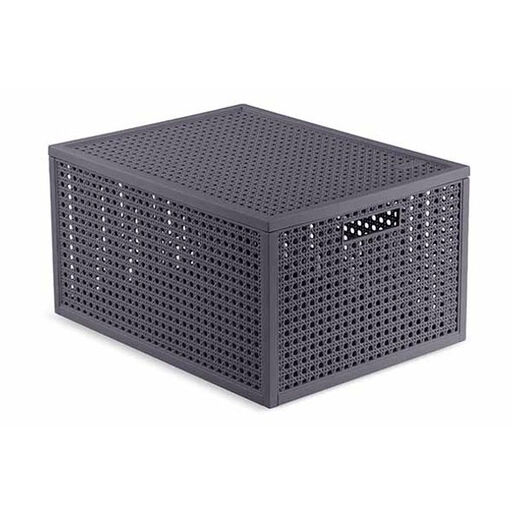
Why it's a match: For anyone who wants to tidy up in style without sacrificing decor. This storage basket fits perfectly in a living room, bedroom, or office to elegantly conceal clutter (magazines, toys, remote controls).
Its purpose is clear: it's a supplementary storage solution for indoors. This avoids the pitfall of using materials unsuitable for heavy-duty or outdoor use.
Its neutral aesthetic and flexible shape allow it to fit into open shelves or cube units, contributing to harmonious home organisation.
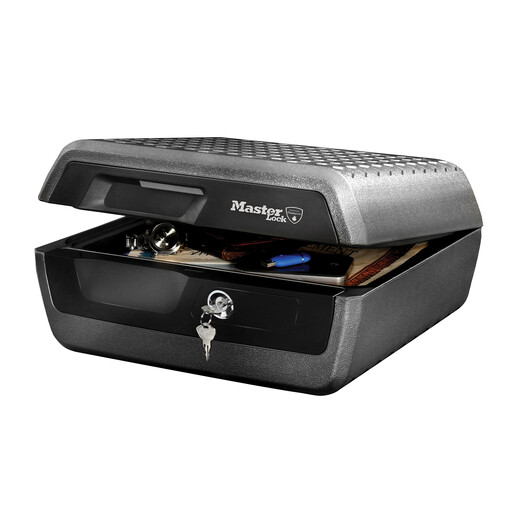
Why it's a match: Essential for anyone wanting to protect their important documents (deeds, passports) and digital media (USB drives, hard drives) from fire and flood.
It sidesteps the "illusory security" trap by displaying UL and ETL certifications, which are objective guarantees of its performance. Bonus: its internal dimensions allow for storing A4 documents flat.
Offers dual certified protection against fire (1 hour at 927 °C) and water submersion, secured by a tubular key lock that is difficult to pick.
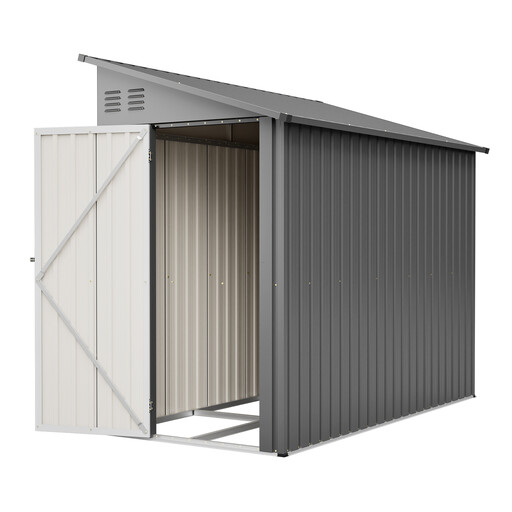
Why it's a match: The solution for those short on space who want to store gardening tools, bikes, or patio furniture under cover. It's a durable investment for decluttering the garden or patio.
It avoids the "false resistance" pitfall thanks to its galvanised steel frame and sloped roof that drains water. The usable dimensions (6 m? volume, 2.5 m? floor space) are clearly indicated.
The 4-vent ventilation system promotes air circulation, reducing humidity and condensation inside—a crucial point for preserving tools.
Discover our full selection of products that meet our quality and security criteria.
A proper anchor is crucial to withstand wind. The recommended method is to assemble the shed on a level concrete slab. Use the provided expansion bolts to securely anchor the base frame into the concrete. Ensure the structure is perfectly square before fully tightening all bolts.
Yes, but only if the certification explicitly mentions it. Digital media are more sensitive to heat than paper. A safe like the featured Master Lock model, with a UL certification specifying protection for "digital media," has been tested to maintain an internal temperature low enough not to damage these devices for the specified duration.
A mini greenhouse provides a microclimate that effectively protects against light frosts and cold winds, which is ideal for extending the growing season in autumn or starting seedlings earlier in spring. However, during intense cold snaps with prolonged sub-zero temperatures, it may not be sufficient. In severe cold, consider supplementing it with a fleece cover for optimal protection.