
Livraison le jour même ou le lendemain

Qualité garantie

Débloquez vos offres de bienvenue: Livraison GRATUITE | Jusqu'à -80 % | 30 jours d'essai gratuits à JoyPlus
Téléchargez l'application
Working out at home is the ideal solution for fitting physical activity into a busy schedule. But be warned: choosing the right fitness equipment can quickly become a headache. Between tempting marketing promises and machines that end up gathering dust, making a costly mistake is all too easy.
As a product expert at Joybuy, I'm here to help you see things more clearly. Let's cut through the technical jargon and get straight to the point so you can make the right choice. Here are the two classic mistakes to avoid and the essential criteria for setting up an effective workout space that will serve you for years to come.
It's tempting to fall for a complex machine that promises the world. The problem? These devices are often bulky, not very versatile, and sadly end up as expensive coat racks. Good home gym equipment should be functional and adapt to your space, not the other way around.
A mat that crumbles, dumbbells with peeling coating, an unstable bench… we know these frustrations all too well. The durability and safety of your fitness accessories depend primarily on the quality of the materials. A rock-bottom price often hides a subpar design, making the equipment uncomfortable or even dangerous.
To avoid these disappointments, focus on a few key points that are simple but fundamental. This is what will make all the difference for your home strength training routine in the long run.
In an apartment, every square foot is precious. The essential first step before any purchase is to check the product's dimensions, especially if it's foldable.
The material of your equipment has a direct impact on your comfort and its lifespan.
Rather than looking for a one-size-fits-all machine, it's better to choose equipment that suits your goals and your home. Here are a few recommended options for 2026.
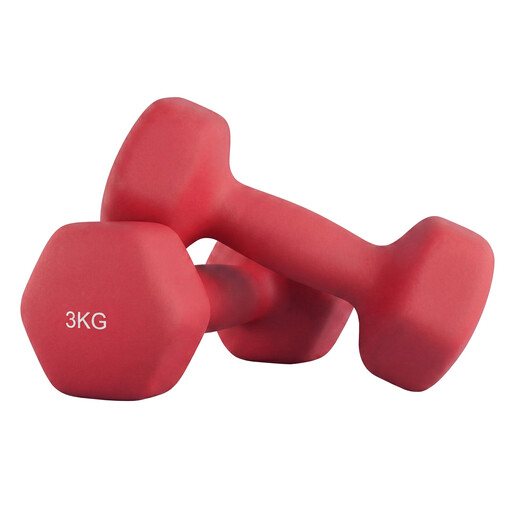
Why we chose it: A pair of 3 kg dumbbells is the perfect starting point for a beginner's fitness kit. It allows you to perform dozens of home strength training exercises for your arms, shoulders, and back, without taking up any space.
This accessory is the antithesis of a bulky machine. Simple, effective, and inexpensive, it can be stored in a drawer. It's a durable, no-regrets investment.
The hexagonal shape prevents the dumbbells from rolling, and the neoprene coating ensures a secure and comfortable grip.
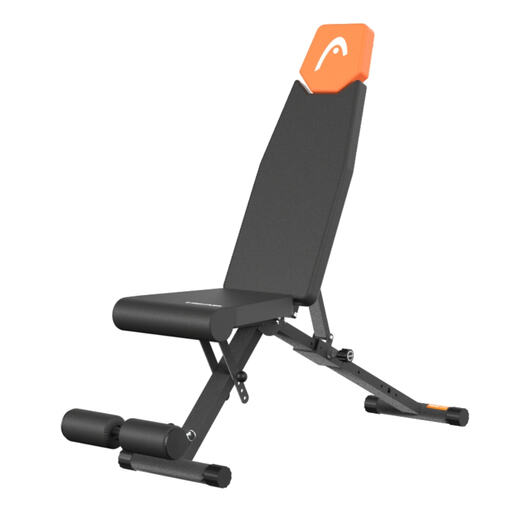
Why we chose it: For those who want to take their home strength training to the next level, an adjustable bench is essential. It allows you to perform dumbbell exercises (bench press, flys) and ab work with greater range of motion and safety.
This foldable weight bench solves the problem of clutter. Once folded, its dimensions are reduced to 83.5 x 35 x 24 cm, making it incredibly easy to store.
Its multiple adjustment settings (5 for the backrest, 3 for the seat) are a real asset for varying your workouts and precisely targeting muscles.
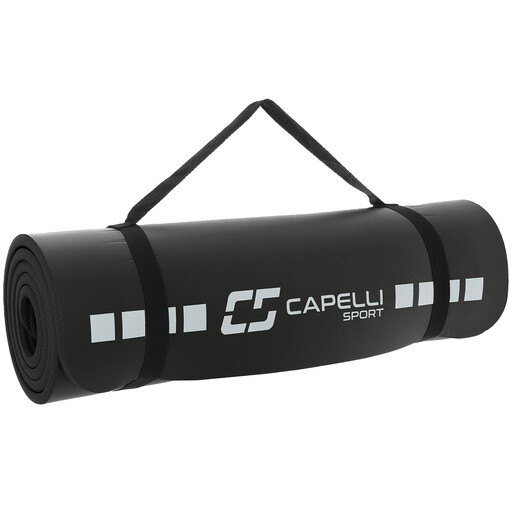
Why we chose it: Whether for yoga, Pilates, or core exercises, comfort is paramount. A good yoga mat protects your back, knees, and elbows from hard floors, making your sessions more enjoyable and consistent.
This is the perfect answer to the cheap materials trap. Its 1.2 cm thickness in NBR foam is a guarantee of comfort, whereas entry-level mats flatten and lose all their value.
Its generous thickness provides excellent support for your joints. The included carrying strap makes it easy to store and transport.
Discover our full selection of equipment that meets our quality criteria and current safety standards.
What equipment do I need to start working out at home? To begin, prioritise versatility and simplicity. A good yoga mat for floor comfort, a pair of dumbbells (e.g., 2 or 3?kg) for strength training, and a stretching strap for flexibility make an excellent beginner's fitness kit. This set is compact, affordable, and covers a wide range of exercises.
How do I choose a weight bench for an apartment? The number one criterion is compactness. Opt for a foldable weight bench and carefully check its dimensions when folded. Make sure it can slide under a bed or into a closet. Next, look at the number of incline settings; the more it has, the more varied your training possibilities will be.
NBR vs. TPE mats: what's the difference? NBR (nitrile rubber) is a dense foam, often used for thicker mats (over 1?cm). It offers superior cushioning, which is ideal for protecting joints on hard floors. TPE (thermoplastic elastomer) is a lighter material that provides excellent grip and good elasticity. It is often seen as a more eco-friendly option. The choice will depend on your priority: maximum cushioning (NBR) or grip and light weight (TPE).