
Livraison le jour même ou le lendemain

Qualité garantie

Débloquez vos offres de bienvenue: Livraison GRATUITE | Jusqu'à -80 % | 30 jours d'essai gratuits à JoyPlus
Téléchargez l'application
Setting up a home gym sounds simple enough… until the equipment takes up too much room, proves too noisy, or ends up gathering dust in a cupboard after a few weeks. To avoid a purchase you’ll regret, it’s worth looking beyond the marketing claims and examining some very practical criteria: actual footprint, maximum weight capacity, noise levels, maintenance, and ease of storage.
Home fitness equipment needs to fit into your daily life. A foldable machine isn’t necessarily practical if it’s too heavy to move. Likewise, a multitude of programmes or resistance levels won’t make up for poor stability or a machine that doesn’t suit your height.
The surface area quoted when the machine is stored doesn’t always match the space required during exercise. A foldable rowing machine still needs enough length for the seat and leg movement. A foldable cross trainer also requires a clear area around the pedals and handles.
Before you order, measure:
A maximum weight capacity might refer to the total load the machine can support, not just the user’s weight. For an adjustable weight bench, check whether the stated figure includes the user’s weight, the dumbbells, and the barbell.
This figure doesn’t replace the need to check stability, adjustment points, and locking mechanisms. Before each session, make sure all moving parts are properly engaged.
Noise levels depend on the mechanism, but also on the floor, your workout speed, and maintenance. A magnetic resistance machine can reduce mechanical noise, whereas a walking pad might transmit vibrations to the floor below.
A shock-absorbing mat, a perfectly level surface, and regular checks on screws will help minimise disturbance. In a flat, these details can matter just as much as the smart features.
In a small room, go for models with transport wheels, a clearly explained folding mechanism, and a weight you can manage. Storage under a desk might suit a compact walking pad, while a rowing machine is usually stored upright or on its end.
Ask yourself a simple question: will you need to move the machine after every use? A less sophisticated piece of equipment that’s always ready to go will often be used more regularly than a complicated machine that’s a hassle to set up.
For strength training, a home gym machine needs precise adjustments and a stable frame. On a bench, check the number of available positions, the presence of pins or locks, and the width of the seat.
For cardio, the number of resistance levels isn’t everything. The stride length on a cross trainer, the rail length on a rowing machine, and the top speed of a walking pad all need to suit your height and your workout style.
Pay close attention to the steel frame, weld quality, wheels, and pivot points. Product listings should also state usage limits and maintenance instructions.
Before ordering, check:
The models below cater to different needs. The features listed are those available on their product pages. Compare them with your own space, budget, and workout requirements.
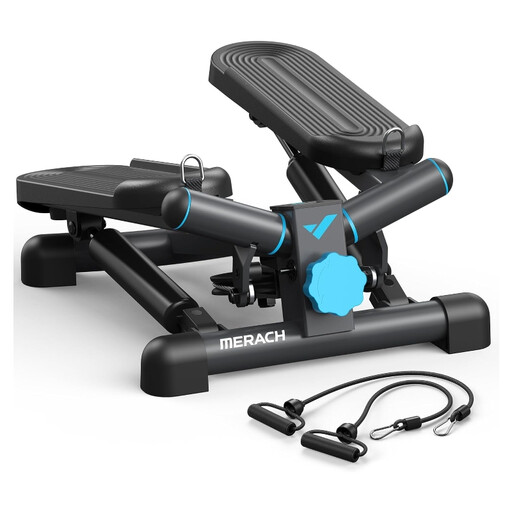
Why this suits this profile: Its compact size and no-assembly design make it a great starting point for equipping a flat or a small room.
Its small dimensions reduce the risk of buying a bulky machine that becomes difficult to store.
Twisting motion, resistance bands, cushioning pads, and a stated user weight capacity of up to 150 kg.
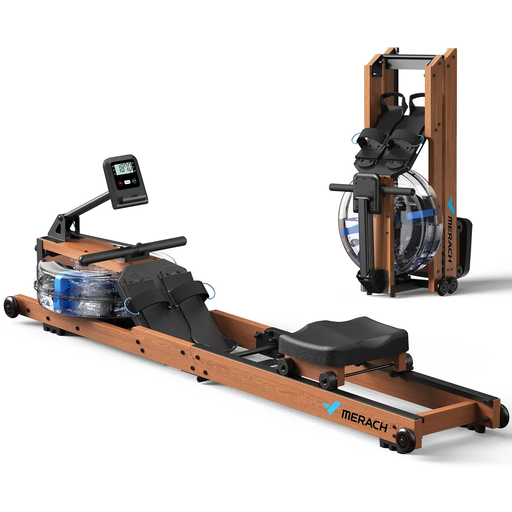
Why this suits this profile: Its wooden frame, water resistance, and Bluetooth connectivity appeal to users looking for a more complete experience.
The 180° folding and wheels make storage simple, without compromising the full rowing machine format during use.
Water resistance, LCD screen, Bluetooth connection, and a stated user weight capacity of up to 181 kg.
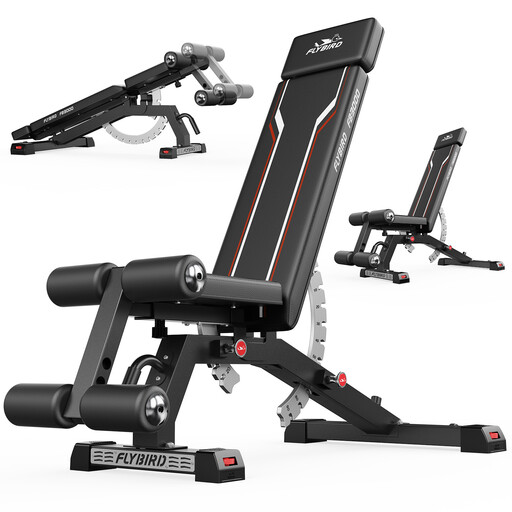
Why this suits this profile: Strength training enthusiasts can vary positions for presses, dumbbell flyes, and seated exercises.
Quick adjustment and folding address the issues of limited versatility and bulk.
Steel frame, multiple positions, and a stated capacity of 544 kg. Locks must be checked before each use under load.
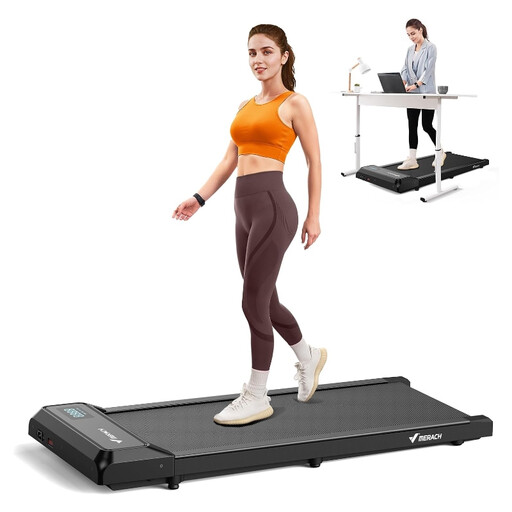
Why this suits this profile: Its slim profile and no-assembly design make it ideal for home offices and homes where every square metre counts.
Its size of 54 × 115 × 12 cm and weight of 13 kg make it easy to store under furniture, provided you have a stable floor.
Stated speed of 2 to 6 km/h, maximum weight capacity of 120 kg, remote control, and connection to the MERACH app.
Depending on your goals, other formats can complement this selection:
We’ve compiled a comprehensive, real-time selection of products that meet these demanding criteria as well as European safety regulations.
It all depends on the type of machine and the features you actually need. A mini stepper or vibration plate generally requires less space and investment than a rowing machine or a weight bench. Start by defining a priority goal, such as cardio or strength training, then add a versatile accessory rather than several machines that might rarely get used.
Go for a foldable machine with wheels, or one that’s light enough to move easily. A walking pad, a mini stepper, and some cross trainers work well in small spaces. However, do check the stated noise level, any vibrations transmitted to the floor, and the permitted usage times under your building’s regulations.
Respect the maximum weight capacity, place the machine on a level surface, and clean the contact areas after each session. Regularly check the screws, wheels, folding points, straps, and locks. For electrical machines, unplug them before cleaning and keep the cable away from walkways.