
Livraison le jour même ou le lendemain

Qualité garantie

Débloquez vos offres de bienvenue: Livraison GRATUITE | Jusqu'à -80 % | 30 jours d'essai gratuits à JoyPlus
Téléchargez l'application
Working out at home saves you the commute and helps you stay consistent. But you need to choose home fitness equipment that genuinely suits your space and your habits. A bulky, noisy or fiddly machine is likely to end up gathering dust in a cupboard.
Three mistakes crop up time and again:
So, when you're choosing between a cardio stepper, a magnetic exercise bike and a foldable cross trainer, it's best to start with the concrete specifications and then match them to your home and your training routine.
Measure the available space and allow a margin all around the machine. A spinning bike needs enough room to get on and off without twisting yourself into a knot. A cross trainer, on the other hand, requires sufficient ceiling height to accommodate the movement of the pedals and handles.
Storage isn't just about the dimensions when the machine is folded. A compact model also needs to stay easy to access: if you have to move three pieces of furniture before each session, it's unlikely to get regular use. Also check how much assembly is required. Some pieces of equipment are almost ready to use, while others need several components to be put together.
On a cardio machine, the resistance needs to support your progress. A magnetic system generally works without direct contact between the braking elements, which reduces friction and noise. However, the sheer number of levels isn't enough to judge the quality of the pedalling: the weight of the flywheel, the drive system and the rigidity of the frame all play a part.
The maximum weight capacity stated by the manufacturer must be strictly observed. For the YOSUDA bike shown below, this is 160 kg. This figure is not a medical recommendation and does not replace the need to check that your floor is stable and that the saddle is correctly adjusted.
The calorie counter, duration, distance and speed allow you to compare your sessions. However, these figures are still estimates: they vary depending on the movement, the settings and the user's profile. So they should not be taken as a precise measure of energy expenditure.
A sports smartwatch can complement your setup by tracking heart rate, steps, sleep and different types of activity. The SpO₂ and heart rate measurements offered by some models are for personal tracking purposes. They do not replace a medical device or the advice of a healthcare professional.
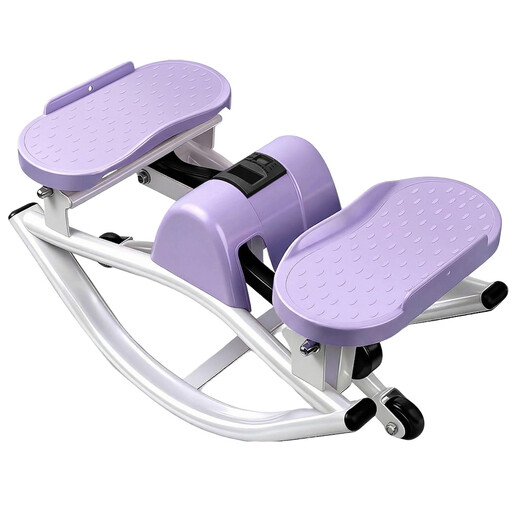
Why this choice suits this profile: This cardio stepper is aimed at those who want to start out with a compact machine, described as requiring no assembly, for short sessions at home.
Its small size reduces the footprint and stops you paying for a large structure when you're mainly after simple, regular sessions.
Built-in timer, pedometer and calorie counter according to the product sheet, with a design described as stable and safe.
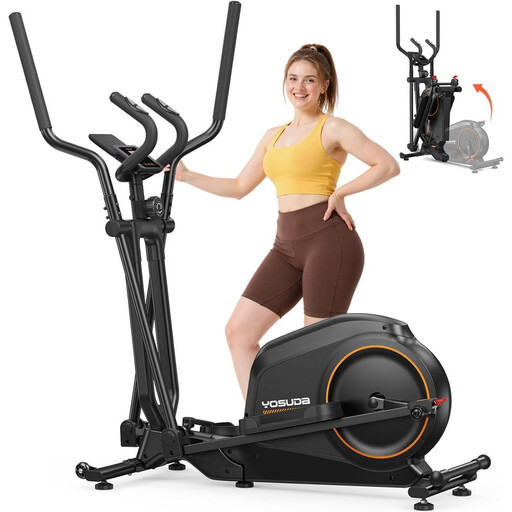
Why this choice suits this profile: It's suitable for users who want adjustable resistance, a movement that works both the upper and lower body, and a machine that's easier to store away.
The product sheet mentions 16 levels, a three-step folding structure and transport wheels – details worth looking at closely when every square metre counts.
Magnetic system described as 5.5 kg, 38 cm stride, LCD screen and noise level stated as below 20 decibels.
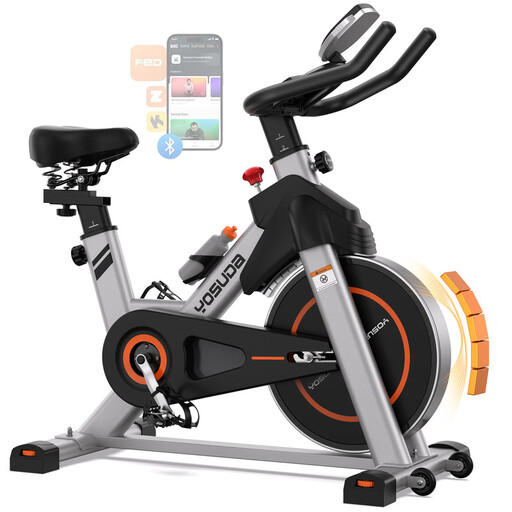
Why this choice suits this profile: This magnetic exercise bike is designed for sustained pedalling sessions and for users who want to fine-tune their position and resistance level.
The reinforced frame, four-way saddle adjustments and contactless resistance all help to minimise issues with stability, comfort and noise.
8 kg magnetic flywheel, maximum weight capacity stated as 160 kg, LCD screen and app connectivity according to the product sheet.
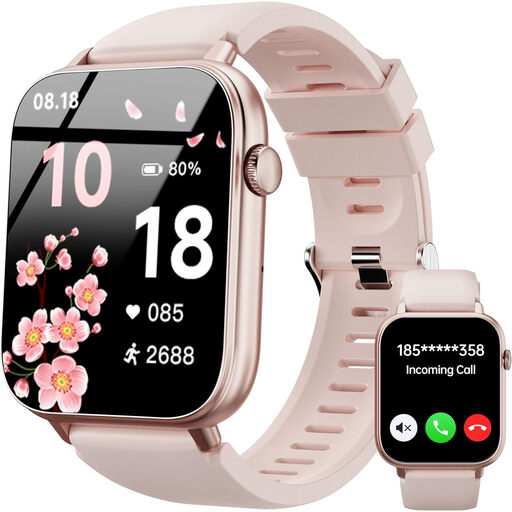
Why this choice suits this profile: It complements a home strength or cardio machine by letting you track your activity directly from your wrist.
It centralises several readings in one app, but this data remains indicative and must never be confused with a diagnosis.
1.83-inch touchscreen, over 100 sports modes stated, Bluetooth calls, heart rate tracking and battery life stated as up to 7 days with daily use.
We've put together a comprehensive, real-time selection of products that meet these demanding criteria and European safety requirements.
Before your first session, set the machine up on a flat, stable floor. A suitable mat can help reduce slipping and protect the flooring, but it will never compensate for an uneven surface.
With an aerobic step platform, check that the risers are locked and that the non-slip surface is in good condition before each session. A greater height increases the difficulty, but it must remain compatible with your comfort level and the available space.
A stepper, a step platform or an exercise bike could all work, depending on the space you have and the type of movement you're after. The stepper is discreet, while the bike generally allows you to extend your sessions in a seated position. In every case, prioritise stability, adjustability and ease of storage.
Mechanical or magnetic-resistance machines generally use very little electricity, because the effort comes from you. A smartwatch, on the other hand, needs to be recharged regularly. The main costs to budget for are the purchase price, maintenance, any replacement parts and the space needed for storage.
It varies depending on the quality of the build, how often it's used, the weight it supports and how well it's maintained. Sticking to the manufacturer's limits, tightening fixings regularly and storing the machine in a dry place all help to extend its life. The data shown on the screen is not, on its own, enough to judge the reliability or longevity of a piece of equipment.