
Livraison le jour même ou le lendemain

Qualité garantie

Débloquez vos offres de bienvenue: Livraison GRATUITE | Jusqu'à -80 % | 30 jours d'essai gratuits à JoyPlus
Téléchargez l'application
Setting up a workout area at home can quickly become expensive if you choose accessories based solely on their appearance or marketing claims. An oversized bench, a mat that slips or a roller that is too soft often end up in a cupboard after just a few weeks.
To choose home fitness equipment that is genuinely right for you, start by assessing the space available, how often you will use it and the equipment’s technical specifications. Here are the common mistakes to avoid, the key points to check and some options suited to different needs.
The maximum load of an adjustable weight bench generally includes the user’s weight and the weight of the dumbbells or plates. So a model rated at 200 kg will not necessarily allow you to load 200 kg of weights.
Also check the frame’s stability, the shape of the feet and the quality of the locking systems. A high load capacity is of little use if the bench moves at the slightest movement.
Equipment that fits perfectly in a dedicated gym can quickly become cumbersome in a living room or bedroom. Measure the space needed while it is in use, not just the area it occupies when stored away. With a bench, make sure you leave enough room to sit down, lie back and handle your dumbbells without hitting a piece of furniture.
Foldable models or those fitted with wheels are easier to move, but they must remain completely stable once set up.
A mat described as non-slip will not behave in the same way on wooden flooring, tiles or a soft floor. The texture, thickness and cleanliness of the surface all directly affect grip.
A mat that is too thin may also provide insufficient comfort for your knees, back or wrists during floor exercises. Conversely, foam that is too soft can make balance exercises less stable.
For an adjustable weight bench, check the following points:
Wheels are useful for moving the bench, but they do not replace installation on a flat, stable surface.
For yoga, Pilates, stretching and floor-based strength training, a thickness of 10 mm offers greater comfort than a very thin mat. However, make sure the surface remains firm enough for balance exercises and prolonged support.
NBR, polyester and other materials should be listed with their proportions whenever this information is available. Before each session, unroll the mat fully onto a clean, dry floor free from sharp objects.
Choosing a fascia roller or muscle massage roller depends on the area you want to target and your tolerance for pressure. A high-density model provides a firmer massage than a soft foam roller. The diameter and length also affect how easy it is to use on your back, thighs and calves.
This accessory can complement a muscle recovery routine, a stretching session or mobility work. It is not a medical device: if you experience unusual pain, it is best to reduce the pressure and seek advice from a healthcare professional.
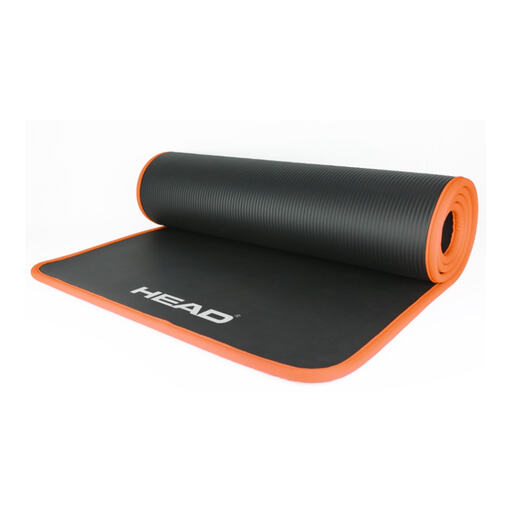
Why this choice suits this profile : This mat is ideal for beginners starting out with fitness, yoga or Pilates at home who are looking for a versatile, lightweight accessory that is easy to store.
Its 180 × 78 cm dimensions and 10 mm thickness let you assess the available surface area and level of cushioning in practical terms, rather than relying on a simple marketing promise.
A surface described as non-slip, a composition of 95% NBR and 5% polyester fibre, a weight of 1.28 kg and easy care.
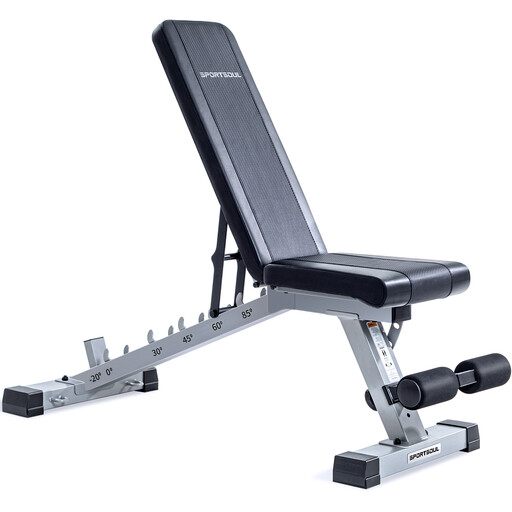
Why this choice suits this profile : This bench is designed for users who want to create a structured home weight-training area, with several exercise positions and a high stated load capacity.
The product details specify the dimensions, materials and maximum load of 277 kg, including the user and weights. This information makes it easier to compare the bench objectively with your available space and training programme.
Flat, incline and decline adjustments, an alloy steel frame, integrated wheels and breathable faux-leather upholstery with a latex layer.
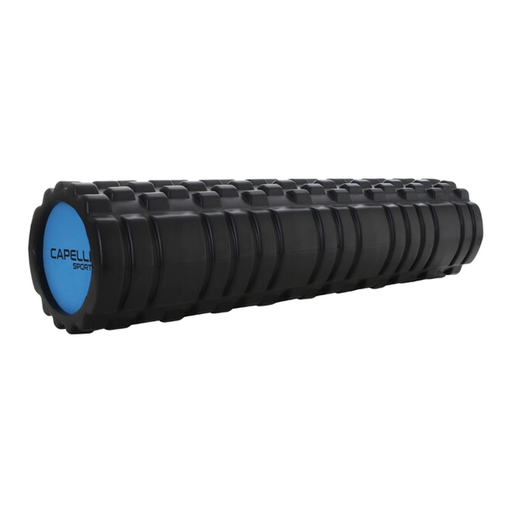
Why this choice suits this profile : Its long format fits easily into a mobility, massage and stretching routine after a fitness, yoga or Pilates session.
The product details specify its 61 × 12.9 cm size and materials, PVC and PE. This allows you to assess its firmness and the space it will occupy before ordering.
24-inch high-density roller, mesh carry bag and suitable for use at home, in the gym or outdoors.
We have brought together a complete, real-time updated selection of products that meet these demanding criteria and European safety standards.
Start by clearing a sufficiently large area around the equipment. A flat floor improves the bench’s stability and limits mat movement. In a flat, prioritise equipment that is easy to move, clean and store.
Before each session:
Yoga and Pilates accessories can complement a weight-training area, but there is no need to buy everything at once. A versatile mat, a bench suited to your programme and a massage roller already provide a solid foundation that you can expand as your needs evolve.
It all depends on the type of training you want to do. A mat may be enough to get started with floor exercises, while an adjustable bench requires more space and represents a larger investment. The most sensible approach is to add accessories gradually, based on the exercises you actually do.
Lifespan depends on how often the item is used, the weight applied, cleaning and storage conditions. Avoid abrasive surfaces, sharp objects and prolonged exposure to sunlight. Replace any accessory showing cracks, reduced grip or significant deformation.
Measure the space occupied when the equipment is unfolded, look for foldable models or those fitted with wheels and allow enough room to move around. For a bench, always check its stability in the position in which it will be used: a compact design should never take priority over safety or freedom of movement.