
Livraison le jour même ou le lendemain

Qualité garantie

Débloquez vos offres de bienvenue: Livraison GRATUITE | Jusqu'à -80 % | 30 jours d'essai gratuits à JoyPlus
Téléchargez l'application
Home electrical appliances make daily life easier, but a well-presented product page alone isn't enough to make a wise choice. Unnecessary features, poorly suited dimensions, safety instructions overlooked… some purchases quickly become cumbersome, even frustrating to use.
Before comparing small household appliances, it's best to stick to a simple rule: start with your actual needs, then examine the technical specifications that affect comfort, maintenance and lifespan.
High wattage doesn't automatically make an appliance more effective or better suited to your needs. A 300W electric chopper is perfectly adequate for everyday food preparation, whereas an 1,800W electric heater is designed to produce more heat, with corresponding energy consumption.
Power should therefore be considered alongside capacity, available modes and intended usage time. For a student or someone living alone, a 1L electric hot pot will often be more appropriate than a 6L family-sized model.
Dimensions are sometimes relegated to the very bottom of the product page. Yet an appliance destined for a small kitchen, studio flat or office needs to fit without hassle. Check its width, height and weight, but also whether it has a detachable cord or removable accessories.
The same vigilance applies to an electric sit-stand desk: measure the available space, anticipate the movement of the desktop and avoid installing it directly against a wall.
A non-stick coating, glass bowl or removable blades can make cleaning easier, provided you follow the manufacturer's recommendations. The motor unit should generally not be submerged. Similarly, an electric heater must be kept clear and should never be covered.
British shoppers should also check compatibility with the domestic mains voltage, the presence of an English-language instruction manual, contact details for the responsible party established in the European Union, and the safety features advertised: automatic shut-off, overheat protection, locking mechanism or tip-over switch.
Choose the capacity based on the number of users and how often you plan to use it:
For home accessories, compactness matters just as much as capacity. A portable electric sewing machine offering a single stitch width may suffice for small repairs, but it won't replace a model designed for regular sewing.
Settings are only useful if they address real needs. An electric hot pot with multiple heat levels lets you switch from gentle simmering to rapid boiling. Similarly, a two-speed appliance adapts more easily to soft foods as well as firmer ingredients.
For an adjustable desk, check the height range, maximum static load, number of memory settings and whether it has an obstacle detection system. For a heater, compare the modes, timer, oscillation and thermostat. The stated temperature alone doesn't guarantee consistent comfort in every room.
Borosilicate glass lets you monitor the water level in a kettle, while stainless steel is often favoured for its everyday durability. For an electric chopper, a glass bowl may be easy to clean, but that doesn't mean it's suitable for hot foods or the microwave.
For personal care appliances, such as an electric toothbrush, look at the battery life, charging method and stated protection rating. These details indicate the intended use of the appliance; they do not constitute medical advice.

Why this choice suits this profile: Its compact size, mains or four AA battery power supply, and button or foot pedal control make it ideal for beginners wanting to do small repairs around the house.
The product page clearly states the fixed stitch width and length, as well as the lack of reverse function – its limitations are known before purchase.
Two speeds, twin needle, foot pedal included and basic accessories for threading and needle replacement.
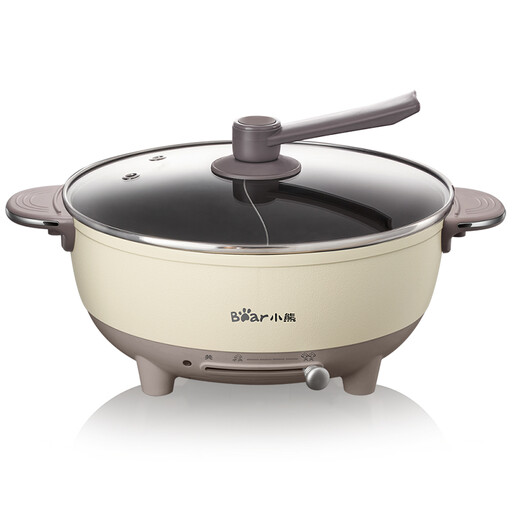
Why this choice suits this profile: Its 6L capacity and two separate zones are designed for households that cook in large quantities or want to prepare two recipes simultaneously.
The capacity, 1,500W power and 0 to 210°C temperature range are all specified – making it easier to assess the size and possible uses.
Two compartments, detachable cable, non-stick coating and dry-boil protection.

Why this choice suits this profile: Its four modes, adjustable thermostat from 5°C to 35°C and 24-hour timer make it suitable for an office, bedroom or room used occasionally.
The timer, eco mode, overheat protection and tip-over switch are all presented separately.
Remote control, oscillation, touch display and three stated noise levels depending on the mode used.
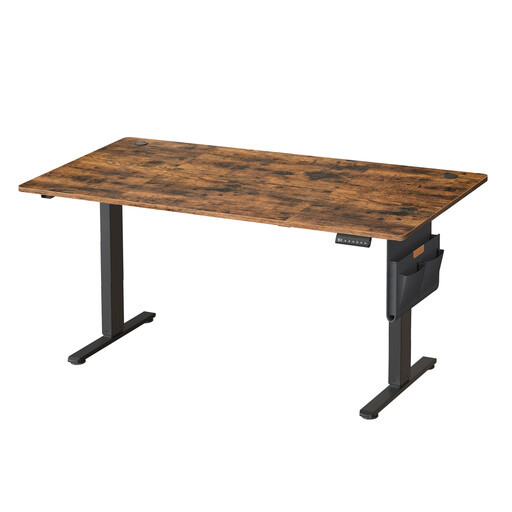
Why this choice suits this profile: Its spacious desktop and four height memory settings meet the needs of a home workspace.
The adjustment range of 72 to 120cm, maximum static load of 70kg and overheat protection are all detailed.
Steel frame, quiet motorised adjustment, storage pocket, hook and cable management ports.
It all depends on the appliance's function and how long you'll use it. A 300W electric chopper is fine for small food preparations, whereas a 1,500 to 1,800W heater is designed to produce heat. Always compare this value with the capacity, available modes and frequency of use.
Set the temperature to a reasonable level, use the timer and activate eco mode when appropriate. Never cover the appliance and unplug it when not in use. Consumption depends on the power rating, running time, your home's insulation and the desired temperature.
This varies depending on the mechanism, maintenance and intensity of use. To extend its life, follow the recommended cycles, avoid putting food that's too hot into a chopper that doesn't accept it, clean removable parts according to the manual and store the appliance away from moisture.