
Livraison le jour même ou le lendemain

Qualité garantie

Débloquez vos offres de bienvenue: Livraison GRATUITE | Jusqu'à -80 % | 30 jours d'essai gratuits à JoyPlus
Téléchargez l'application
Many coffee enthusiasts dream of recreating the specialty coffee experience at home. But with a multitude of options available, building a cohesive, high-performance home coffee setup can quickly become a daunting task. Rather than an endless list, this guide offers a curated selection of equipment designed to work in perfect synergy, starting you on the path to the perfect espresso.
We've scrutinised the technical specifications of numerous products to bring you recommendations that will help you elevate your coffee extraction and achieve café-quality results at home.
Before diving into our top picks, let's review the essential criteria for making the right choice and understanding what makes an exceptional espresso.
The freshness and consistency of the grind are absolutely crucial. A conical burr coffee grinder is the gold standard for its ability to produce a uniform grind while minimising heat transfer to the beans, thus preserving their delicate aromas. Opt for a model with a wide range of fineness settings to accommodate different bean types and brewing methods. Anti-static technology is a major plus for keeping your workspace clean and reducing waste.
For a truly great extraction, water temperature and pressure must remain stable throughout the entire process. A professional espresso machine typically features a PID (Proportional-Integral-Derivative) temperature control system to keep the water at a precise temperature, ideally between 88 and 96°C. Dual boiler models (or dual heating systems) allow you to extract coffee and steam milk simultaneously without any loss of temperature or pressure—unparalleled convenience for fans of milk-based drinks.
Even with the best coffee and machine, an unevenly prepared bed of grounds in the portafilter can ruin an extraction. Tools like the WDT espresso tool (Weiss Distribution Technique) help to break up clumps and distribute the grounds evenly. Meanwhile, a 58.5 mm puck screen, placed on top of the tamped coffee, ensures more uniform water distribution and keeps the machine's group head cleaner. These accessories are key components of a proper barista kit.
Here is our selection for creating a coffee station that is both cohesive and exceptionally high-performing.
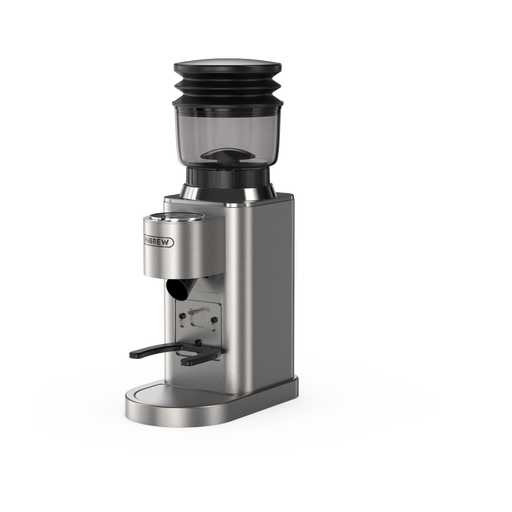
Why it stands out?: The HiBREW G7 grinder checks all the boxes for espresso-level precision. Its stainless steel conical burrs and 48 grind settings offer impressive versatility, while its anti-static technology simplifies your daily routine.
Key features?:
Who is it for? For the discerning enthusiast who wants a dedicated espresso grinder without sacrificing versatility or a clean coffee station.
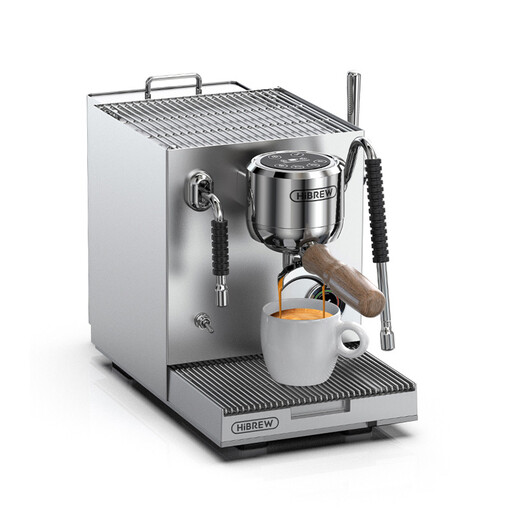
Why it stands out?: The HiBREW H21 packs features worthy of much more expensive machines. Its dual thermoblock/pump system allows you to manage extraction and steam simultaneously—a significant time-saver.
Key features?:
Who is it for? For the home barista who leaves nothing to chance and wants to master every extraction parameter while making back-to-back milk drinks without missing a beat.
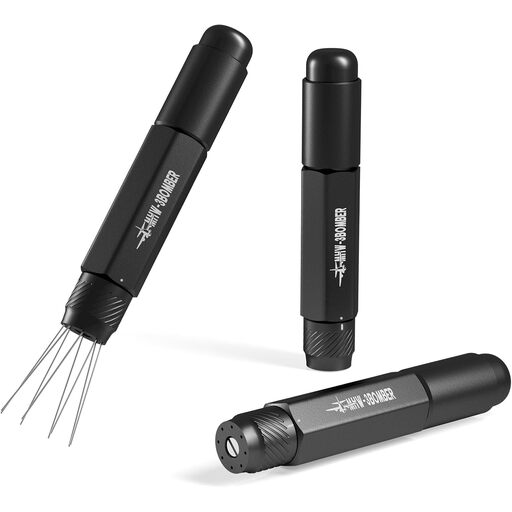
Why it stands out?: This WDT tool from MHW-3BOMBER solves the storage and safety issues of classic models. With its retractable mechanism and magnetic base, it's as smart as it is stylish.
Key features?:
Who is it for? For any espresso machine owner looking to level up their puck prep and finally achieve consistent extractions.
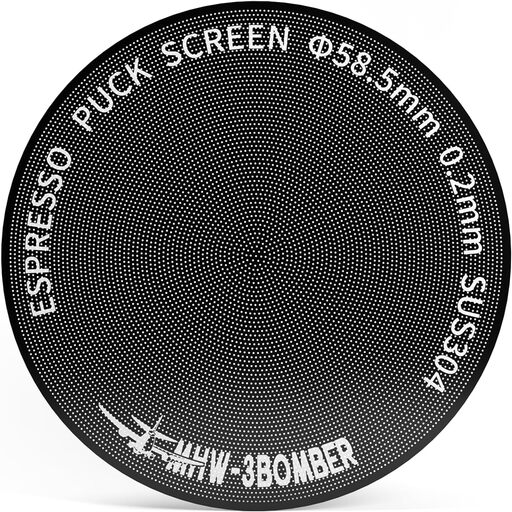
Why it stands out?: With its record-breaking 0.2 mm thinness, this MHW-3BOMBER puck screen is completely unnoticeable in the basket. No more dosage headaches, a common issue with thicker screens.
Key features?:
Who is it for? For the meticulous home barista who wants to eliminate channelling and spend less time cleaning their machine.
This selection represents a well-balanced configuration for a high-end home barista setup. Of course, every coffee lover has their own unique needs and preferences. If you want to explore other options, feel free to browse our complete category.
? Discover our entire collection on the Coffee Corner page
The budget can vary widely. A decent starter kit can be found for a few hundred euros. However, a semi-professional home coffee setup like the one we've featured here represents a more significant investment, often exceeding €1,000. The golden rule: allocate a significant portion of your budget to the grinder. Its quality is the single most important factor for the in-cup result.
The WDT tool (for Weiss Distribution Technique) is used to break up clumps in the coffee grounds within the portafilter before tamping. Without it, clumps create areas of uneven density. During extraction, pressurised water will naturally find the paths of least resistance, creating channels. This phenomenon, known as channelling, results in an unbalanced espresso that is simultaneously under-extracted (sour) and over-extracted (bitter). The WDT ensures an even distribution of the grounds, an essential prerequisite for a successful extraction.
A dual boiler machine (or one with a dual heating system like the HiBREW H21) isn't essential, but it's a game-changer if you frequently make milk-based drinks (cappuccinos, lattes, etc.). It allows you to pull an espresso shot and steam milk simultaneously with no downtime, whereas a single boiler machine would require you to wait for it to heat up to steam temperature. For espresso purists, a single boiler machine with good temperature control (PID) is often more than sufficient.