What should you check before choosing?
First, decide which drinks you want to make and how many cups you’ll need. Then compare each type of machine with the space you have and the maintenance you’re genuinely happy to take on.
| Priority |
What to check |
How I’ll use it |
| Drinks and preparation |
Know the difference between longer coffee and espresso. For milk-based drinks, check whether the exact model has a steam wand or milk system. With a portafilter machine, you’ll need to measure and tamp the coffee yourself. |
I mostly drink longer coffee, or I’d like to make espresso and perhaps milk-based drinks. The time it takes to prepare each cup also matters to me. |
| Maintenance |
Check the manual for instructions on rinsing parts, cleaning the milk system, emptying the trays and descaling. An automatic programme doesn’t necessarily mean you can skip these tasks. |
Am I happy to do a quick clean after each drink? With a milk system or grinder, I’ll also need to take on the extra maintenance required by that system. |
| Consumables |
Find out exactly which pod or capsule system the machine uses. Also check which filters and cleaning products the manual recommends. |
I want to be able to find consumables that are compatible with my machine and replace them as often as my usage requires. |
| Space and serving |
Measure the machine and allow enough room to fill it or remove its trays. If you’re making several cups in a row, check the reservoir capacities. Que Choisir also assesses how consistently bean-to-cup machines dispense coffee during its tests. |
My machine needs to fit on the worktop without making it difficult to refill. If I’m serving several coffees in a row or making one early in the morning, the capacity and noise level of the specific model matter. |
Machines for different needs
These models show three ways to make coffee at home: using pods or capsules, with a bean-to-cup machine, or by manually filtering the coffee. Start by choosing the type of drink you enjoy and the preparation steps that suit you.
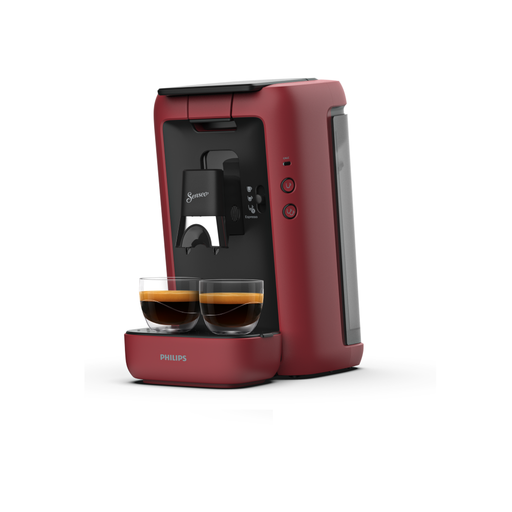 Image unavailable
Philips Senseo CSA260/91 Maestro, vivid red
This machine makes coffee using Senseo pods, so check that the varieties you’d like are compatible with the system. If you’re serving several cups in a row, also check this model’s capacity and how it needs to be refilled.
View on Joybuy
 Image unavailable
Philips EP2230/10 Series 2200 LatteGo, gloss black
This bean-to-cup machine is designed for those who want to make coffee regularly from whole beans. For milk-based drinks, check the recipes available on the EP2230/10 and how to clean the LatteGo system.
View on Joybuy
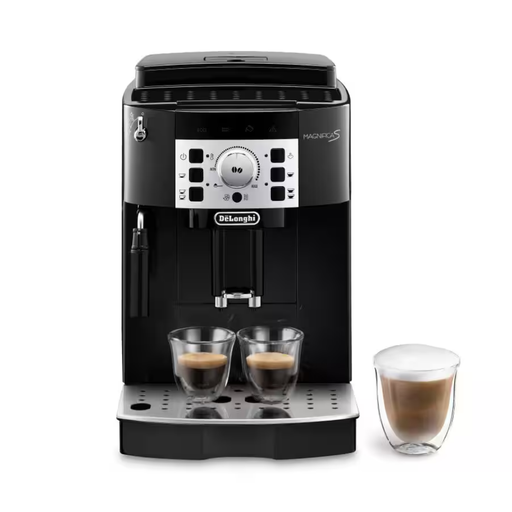 Image unavailable
De’Longhi Magnifica S ECAM22.140.B, black
This bean-to-cup machine lets you make coffee at home from whole beans. Before choosing it for several coffees a day, check the space required, reservoir capacities and maintenance steps for the ECAM22.140.B.
View on Joybuy
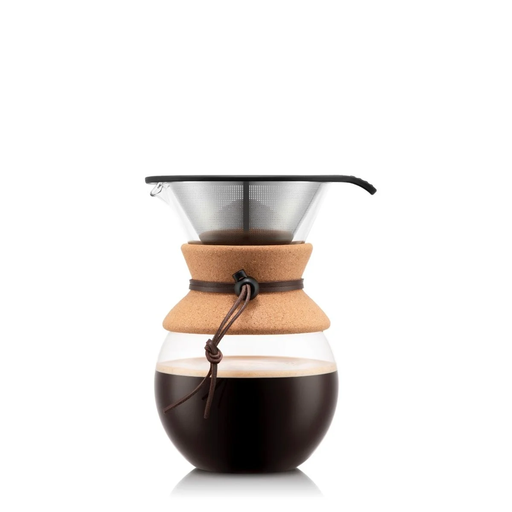 Image unavailable
Bodum POUR OVER with permanent filter, 1 L
This manual filter coffee maker is a good choice if you prefer longer coffee and don’t mind pouring the water yourself. It has a stated capacity of 1 L and a permanent filter; it doesn’t make espresso.
View on Joybuy
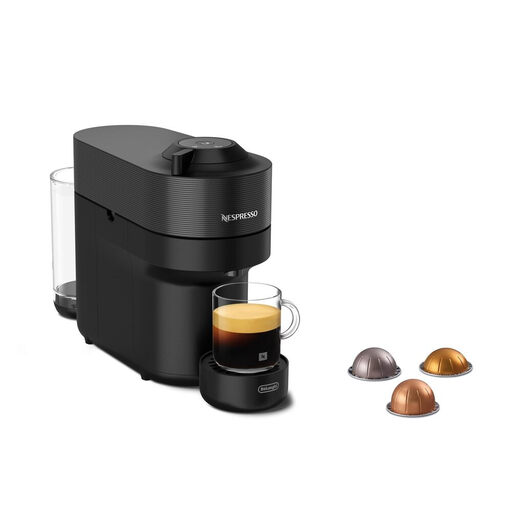 Image unavailable
Nespresso Vertuo Pop ENV90.B, 0.6 L, black
This machine uses Vertuo system capsules, so check that its drink sizes suit your habits. The reservoir is stated as 0.6 L. If several people are having coffee one after another, bear in mind how often you’ll need to refill it.
View on Joybuy
Frequently asked questions
How should I choose if I’ll be serving several coffees in a row?
Check the capacity of the model’s reservoirs and trays. Don’t assume it’s suited to serving several cups simply because it offers a lot of recipes. In its test protocol published in January 2026, Que Choisir measures how consistently bean-to-cup machines dispense coffee across several consecutive cups.
Does water hardness affect how often I need to descale?
Yes. De’Longhi says that, for its bean-to-cup machines, the recommended descaling frequency depends in part on the hardness of your local water. Set this parameter and run the cycles as instructed in your model’s manual.
What should I clean after making a milk-based drink?
Clean the parts that have come into contact with milk according to the machine’s instructions. A carafe and a steam wand may need different cleaning methods, so check which parts can be removed and follow the guidance for the model you choose.
Will all capsules work with all machines?
No, compatibility depends on the system. Nespresso, for example, says its Original capsules are compatible with Nespresso Original machines. This doesn’t mean they’ll work with Vertuo or another system.
Where can I dispose of aluminium or plastic capsules in France?
ADEME advises putting aluminium or plastic capsules in the recycling collection for paper and packaging. Check the local collection guidance for your home to find out which bin, bag or container to use.


