
Livraison le jour même ou le lendemain

Qualité garantie

Débloquez vos offres de bienvenue: Livraison GRATUITE | Jusqu'à -80 % | 30 jours d'essai gratuits à JoyPlus
Téléchargez l'application
Making great coffee at home has become a true ritual. But with an overwhelming number of options, it's hard to know where to start, and easy to make a misstep. Marketing often promises a professional barista experience, but the reality can be far more disappointing. To help you see clearly and invest wisely, we've identified the most common pitfalls and the essential criteria to check before you start shopping for home coffee equipment.
Equipping yourself with quality gear doesn't have to break the bank. The key is knowing where to focus your attention. Here are three common mistakes that too often lead to buyer's remorse.
To make an informed choice, focus on a few technical parameters that directly impact the in-cup quality and longevity of your gear.
Two elements are crucial for a perfect espresso:
The details make all the difference. Whether for a latte art milk pitcher or a simple cup, here's what to check:
Every coffee lover has different needs and desires. Here are a few suggestions, tailored to different profiles, to help you build your perfect coffee lover's toolkit.
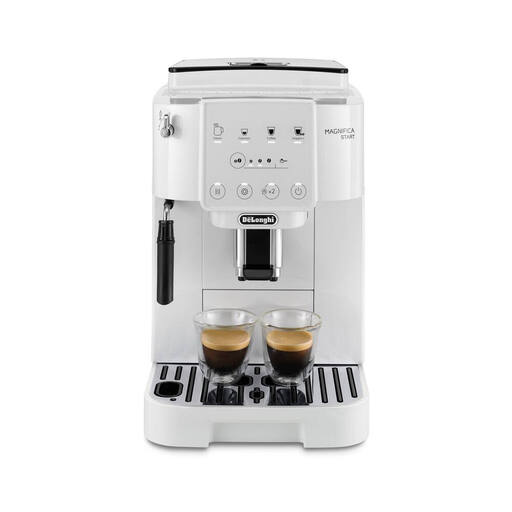
Why it's a great choice: Perfect for getting started with whole bean coffee without the hassle. It focuses on the essentials for an excellent espresso, with a simple and intuitive interface.
It avoids the superfluous features trap by focusing on three core recipes (Espresso, Coffee, Doppio+) accessible with a single touch.
Its 15-bar pressure ensures quality extraction, while its integrated grinder with 13 settings offers great versatility.
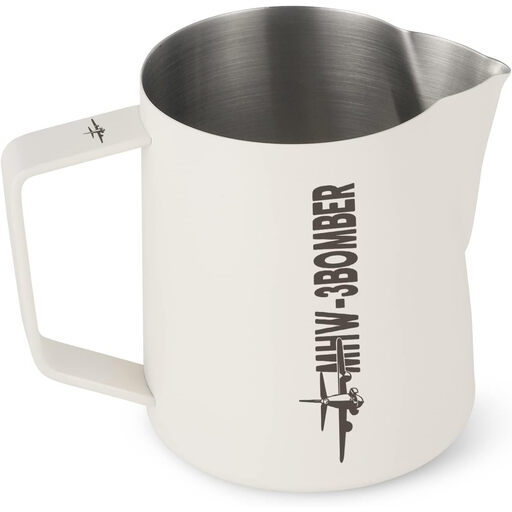
Why it's a great choice: Designed for those who take their latte art seriously. More than just a milk jug, it's a true precision tool for creating the finest patterns.
It avoids the "pretty but useless" accessory trap thanks to its patented spout, specially designed for pinpoint control of the milk flow.
Single-body construction from 304 stainless steel for impeccable hygiene and rock-solid durability. Its ergonomic handle ensures an ideal grip.
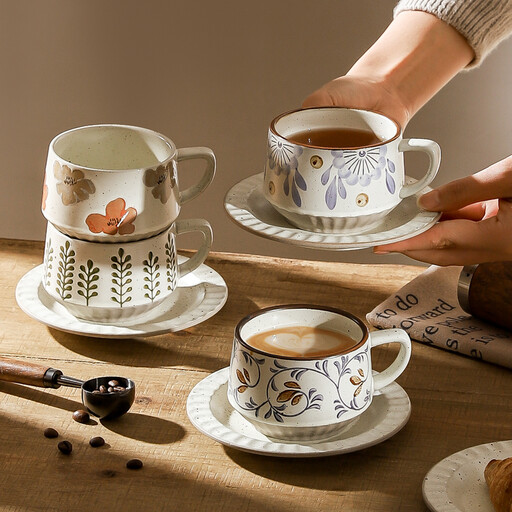
Why it's a great choice: For those who believe tasting is also a feast for the eyes. This set brings a touch of elegance and originality to the coffee break. It also makes an excellent gift for a coffee lover.
It stands out from mass-produced cups with its unique leaf design, combining a sophisticated aesthetic with the practicality of a 300 ml capacity.
A complete set with an original coffee cup and matching saucer. Its quality ceramic ensures excellent heat retention.
To complete your set, we have also selected cups that are as practical as they are durable. Discover a full range that meets our demanding selection criteria.
With regular maintenance, a good bean-to-cup coffee machine can operate optimally for 5 to 10 years. The two essential tasks are descaling (the frequency of which depends on your water hardness) and regular cleaning of the brew group, following the manufacturer's recommendations.
It all depends on your drink of choice. For an espresso, opt for a small, thick ceramic cup (60-90 ml) to retain heat and the crema. For a lungo, cappuccino, or tea, a set of mugs of around 300-400 ml is more suitable. For summer drinks, a double-walled iced coffee glass is ideal to prevent condensation and keep your beverage cool for longer.
If you're a fan of milk-based drinks like cappuccinos or lattes, the answer is a resounding yes. A basic pitcher might be enough to froth milk, but a model with a thin, elongated spout, like those used by baristas, is essential for mastering the pour and getting started with latte art. The material, typically stainless steel, also promotes even heating of the milk, a key factor in achieving perfect foam.