
Livraison le jour même ou le lendemain

Qualité garantie

Débloquez vos offres de bienvenue: Livraison GRATUITE | Jusqu'à -80 % | 30 jours d'essai gratuits à JoyPlus
Téléchargez l'application
Between multi-purpose sprays, concentrated formulas, disinfectants and steam appliances, finding the right home cleaning products can quickly become a headache. A cleaner suitable for floors may not be suitable for windows, a hob or a natural stone surface.
Some marketing claims should also be treated with caution. A product described as “ universal ” may leave marks on a screen or damage a delicate material. Likewise, a fragranced formula is not necessarily an effective degreaser. As for larger formats, they are only economical if the dosage and frequency of use genuinely match your needs.
Here are the criteria to consider when choosing a practical, safe solution suited to your cleaning routine.
A multi-surface cleaner is generally formulated for hard, washable surfaces. That does not mean it is suitable for untreated wood, marble, screens or waxed materials. Check the manufacturer’s recommendations and always test the product on a small, hidden area before first use.
When cleaning a computer or television screen, spray the product onto the cloth, never directly onto the device. Surfaces that come into contact with food should be rinsed if the label specifies this.
A fragrance of eucalyptus, cotton, lemon or orange blossom makes cleaning more pleasant, but it does not replace a specific property. In the kitchen, choose a formula designed for degreasing. In the bathroom, an limescale remover will be more effective against mineral deposits. For windows, a squeegee combined with a product that helps prevent streaks could save you considerable time.
Never mix bleach with household vinegar, an acidic product, ammonia or another cleaner. Such mixtures can release dangerous gases. Use chlorine-based products in a well-ventilated room, wearing gloves and, if recommended on the label, protective goggles.
A cleaner marketed as antibacterial or disinfectant must also be used in accordance with the required contact time and the instructions on the label. A cleaning product must never be applied to the skin or used for medical purposes.
Start by identifying the main task :
The claim “ almost all hard surfaces ” should be interpreted with caution. Natural, varnished or porous materials often require additional checking.
A 750 to 800 ml spray bottle is convenient for quick cleaning jobs. A 1 to 1.5 l container is better suited to a household that regularly cleans floors and large surfaces, especially if the product can be diluted.
Compare the usable volume, recommended dosage and application method. An incorrectly diluted concentrated solution can leave a film, while using too much spray increases consumption without speeding up cleaning.
For a brush, check the bristle material, grip and head shape. For a steam cleaner, pay particular attention to the pressure, power, tank capacity, heat-up time and accessories supplied. These details will help you determine whether the appliance is intended for occasional cleaning or regular tasks.
The BISSELL Steam Shot B2635J, for example, states a pressure of 4,5 bars, power of 1 050 W, a 0,36 l tank and a heat-up time of 60 seconds. Steam is extremely hot, so never direct it towards a person, animal or electrical equipment.
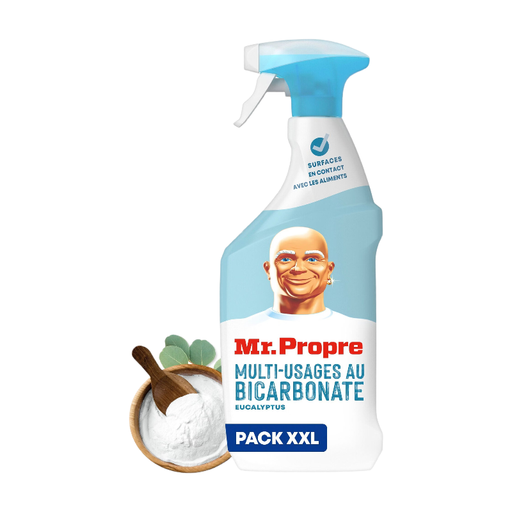
Why this choice suits this profile : This ready-to-use spray lets you get started with a single cleaner for sinks, hobs, shower walls and hard floors.
The product information clearly states that this product is intended for hard surfaces and requires rinsing on areas that come into direct contact with food.
800 ml format, bicarbonate listed in the formula, and direct application with a cloth or sponge.
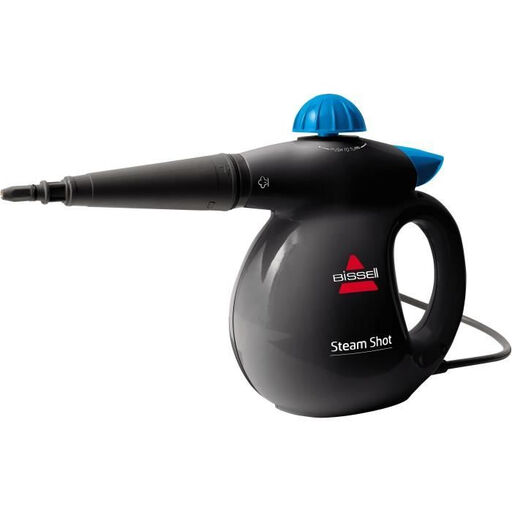
Why this choice suits this profile : This appliance is aimed at households that want to clean grout, awkward areas and certain surfaces with steam, without adding detergent.
The stated specifications let you check the tank capacity and preparation time in concrete terms before buying.
Stated pressure of 4,5 bars, heats up in 60 seconds and includes accessories for windows, corners and flat surfaces.
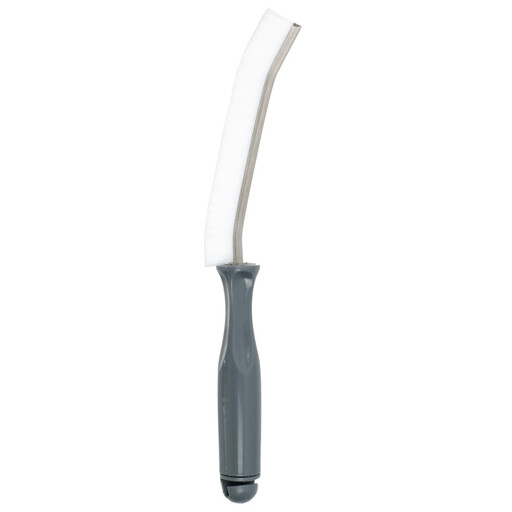
Why this choice suits this profile : Its head, fitted with stiff nylon bristles, is designed for tile grout, window tracks and narrow, hard-to-reach spaces.
Its specialised shape means you do not have to expect a simple cloth or sponge to tackle heavily soiled grout.
Ergonomic handle, durable nylon bristles and easy maintenance by rinsing with warm water.
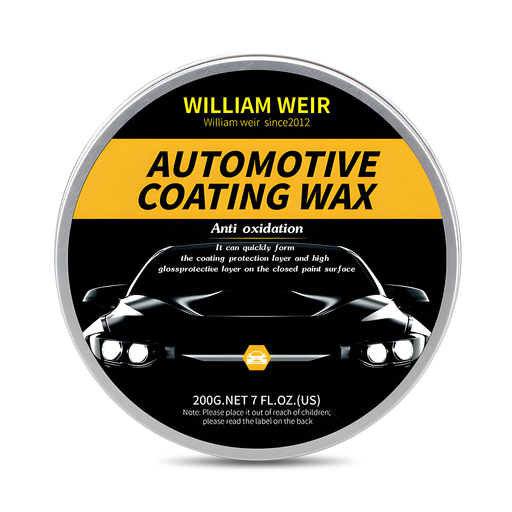
Why this choice suits this profile : This paste wax is aimed at drivers who want to devote a separate step to finishing their car’s bodywork after washing.
This is a car wax intended for automotive paintwork, not a multi-purpose household cleaner.
200 ml capacity, stated carnauba wax content and application accessories listed in the product information.
We have put together a complete, real-time selection of products that meet these strict criteria and European safety regulations.
A single cleaner cannot meet every household cleaning need. To keep things simple, have a multi-surface cleaner for everyday maintenance, a specialist product for limescale and a mechanical accessory for grout or tracks.
Household bicarbonate of soda can complement this basic selection for cleaning, deodorising or tackling certain stains, either as a paste or a solution depending on the recommended use. Household vinegar is often used for descaling and adding shine, but test it first on a small area and keep it away from acid-sensitive surfaces. Chlorine-based products are not interchangeable with disinfectants : use them only in accordance with their labelling.
If you specifically need a disinfecting action, check the product’s status, the required contact time and the surfaces on which it is approved for use. The ST MARC antibacterial product information describes it as a disinfectant for washable surfaces, while the LA CROIX information specifies that its bleach-based cleaner is not intended for disinfection.
A multi-surface spray may be suitable for everyday cleaning of hard, washable surfaces, including sinks, compatible worktops and floors, according to the label instructions. However, keep a dedicated product for limescale deposits, delicate surfaces and disinfection needs.
Not necessarily. It all depends on the recommended dosage and cleaning frequency. A dilutable formula can reduce the amount needed for floors, but excessive dilution reduces its effectiveness, while a product that is too concentrated may leave residue.
Refer to the expiry date and batch number shown on the packaging. Close containers carefully, store them away from heat and light, and keep them out of the reach of children and animals. For an appliance such as a steam cleaner, empty the tank after every use and allow the accessories to dry before putting them away.