
当日/次日达

品质保障

开启新人专享福利: 全场免邮 | 低至 2 折 | 免费试用 30 天 JoyPlus 会员
下载 Joybuy
Buying home cleaning products may seem straightforward… until a cleaner leaves streaks, its fragrance becomes overpowering, or its formula proves incompatible with a septic tank. Packaging often promotes “enhanced” performance, extended use or disinfection, without always specifying the conditions required to achieve the promised result.
To choose the right products for your home in France, it is best to compare intended use, volume, contact time and safety precautions. Here are the criteria to review before restocking your cupboard.
A multi-purpose cleaner primarily removes dirt. A disinfectant formula contains an active substance and must be used under specific conditions: approved surface, quantity, contact time and, where applicable, rinsing.
Likewise, a pleasant fragrance does not mean that a product disinfects. A disinfectant toilet gel or toilet cleaner should be used in accordance with its label, particularly when it claims to act against bacteria or certain viruses.
A 500 or 750 ml bottle is suitable for everyday use. A 5 l container may be worthwhile for a large family, a busy household or professional use. However, the product must still be suitable for the surfaces concerned and capable of being stored safely.
For a concentrated floor cleaner, also check the dilution instructions. Using too much product can leave a film on the floor and increase consumption without improving the result.
Vinegar, bleach, acids and abrasive agents are not suitable for every surface. Before applying a limescale remover to natural stone, delicate metal or taps, consult the label and test the product on an inconspicuous area.
A magic cleaning eraser, made from melamine foam, can remove some stubborn marks. However, it may dull glossy surfaces or damage delicate finishes.
Match each formula to the room and intended use:
Look for statements such as “corrosive”, “irritant”, “flammable” or “hazardous to the aquatic environment”. Formulas containing sodium hypochlorite, caustic soda or hydrochloric acid require particular caution.
Never mix bleach with an acidic product, vinegar, ammonia or another cleaner. Dangerous gases may be released. Wear gloves when recommended on the label, ventilate the room and keep products in their original packaging, out of reach of children and pets.
A product marketed as fast-acting does not eliminate the need to observe its contact time. Some product sheets, for example, specify one minute for a toilet gel, while others require several minutes before brushing and rinsing.
If your home has a septic tank, choose a formula explicitly described as compatible, such as a septic-tank-safe toilet gel. The product must still be used according to its label and never overdosed.
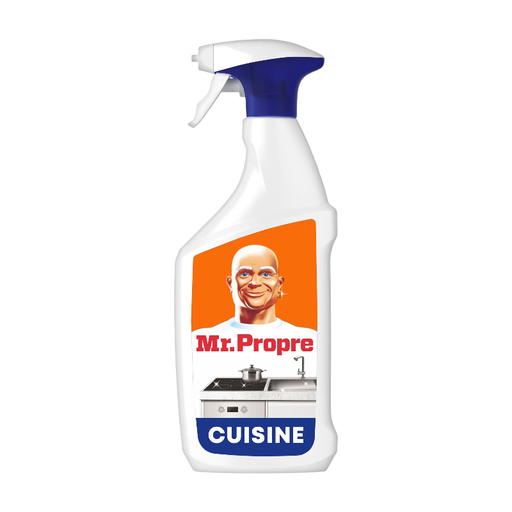
Why it fits the brief: its 800 ml spray bottle is suitable for frequent kitchen cleaning, including worktops, hobs, sinks and tiles.
The product sheet specifies a three-minute contact time for stubborn grease and recommends avoiding inhalation of the spray.
A ready-to-use format, a mandarin fragrance and a formula designed for several kitchen surfaces.
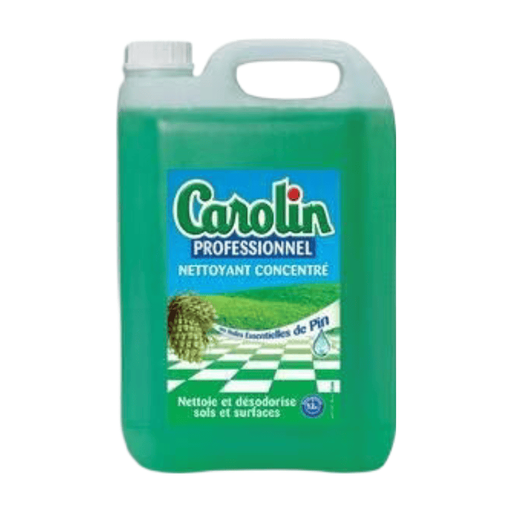
Why it fits the brief: the 5 l container is suited to households that clean frequently, as well as professionals who need a substantial supply.
Follow the dilution instructions on the packaging: a larger format should never encourage overuse.
A concentrated formula, a pine fragrance and a range of uses on different surfaces once diluted.
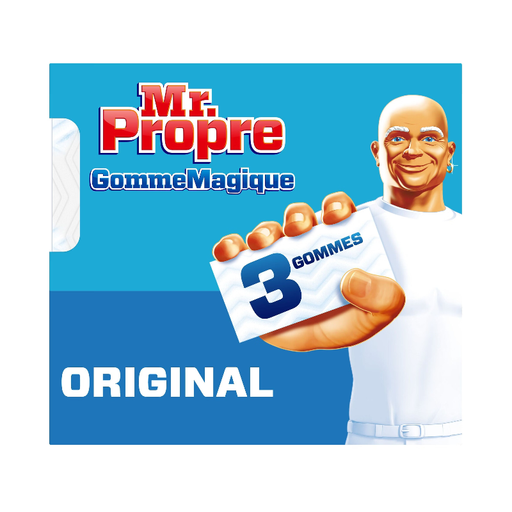
Why it fits the brief: this moisten-and-use eraser tackles marks, pencil stains, embedded dirt and some grease on washable surfaces.
The foam may scratch or dull glossy, varnished, stainless-steel, wooden or non-stick surfaces: always test it on an inconspicuous area first.
It requires only water, and this pack contains three pieces, with no detergent required.
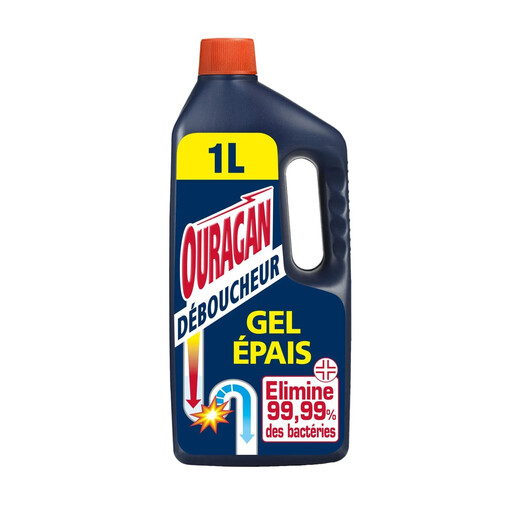
Why it fits the brief: its thick gel is designed to tackle drain blockages and specifies a 15-minute contact time.
Do not combine it with any other drain unblocker or cleaner. The product sheet identifies it as corrosive and requiring gloves, eye protection and good ventilation.
A 1 l bottle and a thick formula designed to remain in contact with the blockage while it works.
In the toilet, a toilet block releases fragrance and helps maintain the bowl with every flush. HARPIC ActiveFresh blocks are advertised as lasting up to four weeks, depending on usage and fragrance intensity. Handle them with care: the product sheet mentions risks of irritation, burns and allergic reactions.
For bathroom descaling, ANTIKAL Disinfectant Spray 700 ml is presented as a spray for limescale, soap residue and water marks. For windows, VINCKEL Professional Glass Cleaner 500 ml features a spray bottle and a fast-drying formula. On parquet flooring, CAROLIN Nature Activ biodegradable wipes should be used with minimal moisture and must never be flushed down the toilet.
Bleach may be suitable for certain whitening or cleaning tasks, but it should not automatically be treated as a disinfectant. The product sheet for LA CROIX Multi-Purpose Bleach Cleaner 1.5 l specifically states that it is not intended for disinfection. For intimate hygiene, choose a dedicated product, such as INTIMA soap-free gel with a stated pH of 5.4, and use it externally as directed.
Browse an up-to-date selection of home cleaning products for toilets, kitchens, bathrooms, floors and other household surfaces.
No. Mixing bleach with an acidic product, vinegar, ammonia or a drain unblocker can release dangerous vapours. Use one product at a time, rinse if necessary and ventilate the room.
Shelf life depends on the formula and the manufacturer’s instructions. Check the date or information on the packaging, as well as the condition of the bottle. Keep it closed, away from heat and direct sunlight, and never transfer it into a food container.
Compare the cost per use, rather than the bottle price alone. A concentrated product can offer good value when its dosage is clearly specified. For floor wipes, sprays and 750 ml toilet gels, consider how often you use them, whether rinsing is required and the size of the area being treated.