
当日/次日达

品质保障

开启新人专享福利: 全场免邮 | 低至 2 折 | 免费试用 30 天 JoyPlus 会员
下载 Joybuy
Buying home cleaning products isn't just about picking a well-known brand or a formula that claims to be "powerful". From bathrooms and drains to washing machines and outdoor areas, every surface needs specific care. The wrong product can damage a finish, fail to shift a stain, or increase the risks of mixing chemicals.
The term "multi-purpose" doesn't mean the product is right for every surface. A multi-purpose bleach can clean and whiten certain materials, but the La Croix product page states it is not intended for disinfection. It also recommends using a dilution that suits the surface and testing it first on an inconspicuous area.
The same goes for the magic eraser made from melamine foam: it works through micro-abrasion. It can tackle certain marks on washable surfaces, but it is not recommended for use on skin, glossy surfaces, wood, stainless steel, non-stick coatings, or car bodywork.
A gel marketed as "express" isn't necessarily the best choice. For a drain unblocker, check which materials it is compatible with, the dwell time, the amount to pour, and the protective equipment needed. Destop Express is compatible with several types of pipes, but it excludes aluminium and contains caustic soda.
In the toilet, an acidic toilet cleaning gel can work quickly on limescale, while a toilet disinfectant relies on a different formulation and instructions for use. These products are not interchangeable and must never be mixed, especially with bleach or ammonia.
The price of the bottle alone isn't enough to compare two products. Consider the volume, how often you'll use it, the dosage, and how many applications you'll get. A toilet block releases its active ingredients with every flush for several weeks, whereas a bathroom descaler is used depending on the condition of the surfaces and your cleaning routine.
Start by identifying the task precisely:
Hazard warnings should weigh as heavily in your decision as the cleaning promise. Formulas containing hydrochloric acid, caustic soda, hypochlorite or other corrosive agents often require gloves, eye protection and good ventilation.
Always read the label and the product page. Never mix two cleaning products. Keep bottles in their original packaging, out of reach of children and away from food. For products claiming a biocidal action, follow the instructions and the statement "Use biocides with care. Before use, always read the label and product information" to the letter.
For a pressure washer, three pieces of data are particularly useful:
The 2,200 W electric model shown below delivers 180 bar, 480 l/h and an 8 m hose. Its foam lance, rotating nozzle and trigger gun let you adapt the cleaning to your car, fences, patios, paths and garden. To wash a car, start at a good distance and apply the foam before gradually moving the jet closer.
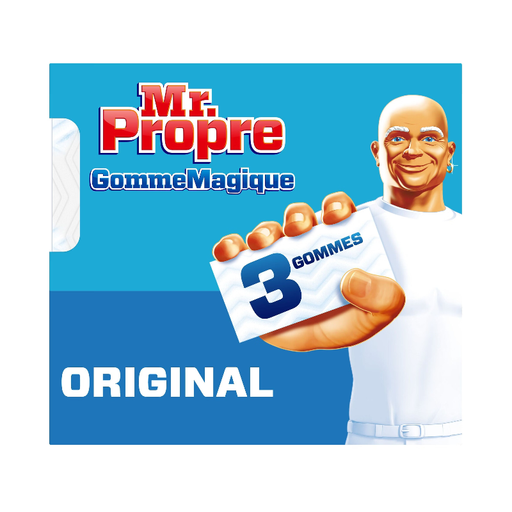
Why this choice suits this profile: Its water-activated use and pack of three make it ideal for everyday touch-ups: marks on washable walls, scuffs in a bath, or grubby grout.
The product page lists surfaces to avoid and recommends testing on an inconspicuous area. That helps prevent nasty surprises from abrasion.
Activates with water, compact size and no added cleaning product. The eraser wears down naturally with use.
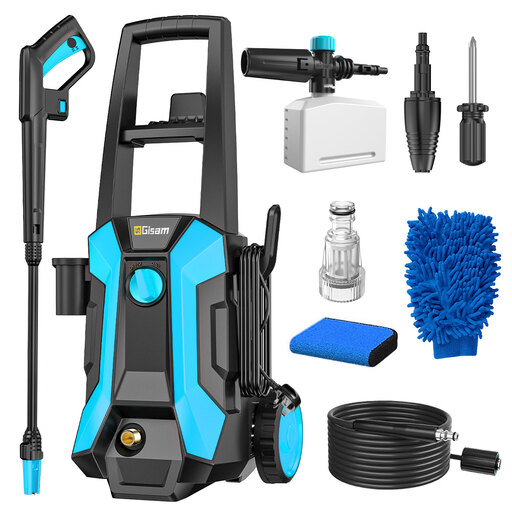
Why this choice suits this profile: It combines several functions for homeowners who regularly maintain their car, patio, fences, garden and driveway.
The detailed specifications and accessory kit let you check compatibility with your planned jobs before buying, rather than relying on a vague promise.
8 m hose, integrated hose reel, foam lance, rotating nozzle and high-pressure gun.
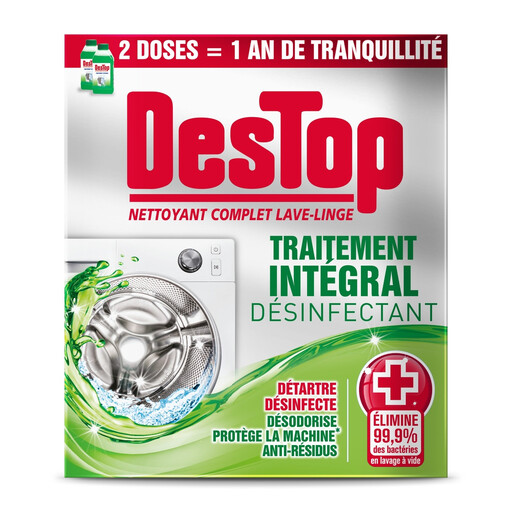
Why this choice suits this profile: Its 2 × 250 ml format is ideal for households that want to schedule periodic washing machine maintenance with an empty cycle.
The product page clearly states an empty cycle at 60 °C and recommends at least two uses per year: the maintenance schedule is easy to follow.
Claims to tackle limescale, residue and odours. Corrosive product: gloves, face protection and careful reading of the label are essential.
We've put together a comprehensive, real-time updated selection of products that meet these strict criteria and the requirements of European safety regulations.
A toilet block is suitable for maintenance between cleans: it sits in the water flow and is replaced when its fragrance fades or after the stated duration. For limescale and stains, use a toilet cleaning gel and follow its dwell time precisely. A toilet disinfectant should only be used according to the instructions on its label.
The frequency depends on how much you use the machine, the temperature of your cycles and the build-up of residue. The Destop washing machine cleaner product page recommends at least two empty cycles per year at 60 °C. Always follow the product's instructions and your appliance manufacturer's recommendations.
The cost depends on the motor's power, how long you run it, your local electricity price and water consumption. To compare, look at the power, flow rate in litres per hour and the duration of each session. To keep consumption down, prepare the area you're cleaning, choose an appropriate pressure and avoid letting the appliance run without actually cleaning anything.