
当日/次日达

品质保障

开启新人专享福利: 全场免邮 | 低至 2 折 | 免费试用 30 天 JoyPlus 会员
下载 Joybuy
Buying home cleaning products isn’t just about picking a nice scent or a promise of effectiveness. From laundry and the kitchen to floors and high-traffic surfaces, each formula is designed for a specific job. Making a thoughtful choice helps you avoid unnecessary purchases, ill-suited products, and formats that end up costing more in the long run.
A multi-purpose cleaner works on many hard surfaces, but not necessarily on wooden floors, marble, aluminium, or surfaces that come into contact with food without rinsing. Always refer to the instructions for use.
A concentrated kitchen degreaser, for example, may be designed for ovens, hobs and grills, yet be unsuitable for aluminium or painted surfaces. On a delicate material, an overly aggressive formula can leave marks or damage the finish.
The price of the bottle alone isn’t enough to compare offers. For laundry detergent, look at the number of washes stated, the recommended dosage and the concentration. For a product you need to dilute, compare the actual volume you get once it’s ready to use.
Concentrated refills also help reduce water transport and plastic waste. However, they require precise dosing: a poorly prepared refill won’t deliver the intended concentration.
Liquid black soap, household vinegar and bicarbonate of soda can be very useful around the house. But that doesn’t mean they’re harmless. A 14° vinegar can irritate skin and eyes, and must never be mixed with bleach. Similarly, a powerful degreaser may require gloves and good ventilation.
Labels such as ECOCERT, EU Ecolabel or ‘ingredients of natural origin’ tell you about the formulation or the relevant standard. They don’t replace reading the safety precautions.
An environmental certification can make it easier to compare different eco-friendly cleaning products. You should also look at the ingredients, the fragrance, the preservatives and the hazard pictograms. A formula with a high proportion of naturally derived ingredients may still require precautions.
For laundry, choose refills with the EU Ecolabel, free from dyes or optical brighteners, and compatible with reusing the bottle. For natural household products, the concentration and the area of use matter just as much as the marketing claims.
A 5-litre container can be a good choice for heavy use, provided you have enough storage space. On the other hand, a 500–800 ml spray is more practical in a flat or for targeted tasks. When the information is available, compare the cost per wash, per dose or per surface cleaned.
For coloured laundry, a colour-catcher sheet can complement your detergent. It doesn’t replace the need to separate new, brightly coloured items for the first few washes, or to follow the recommended number of sheets.
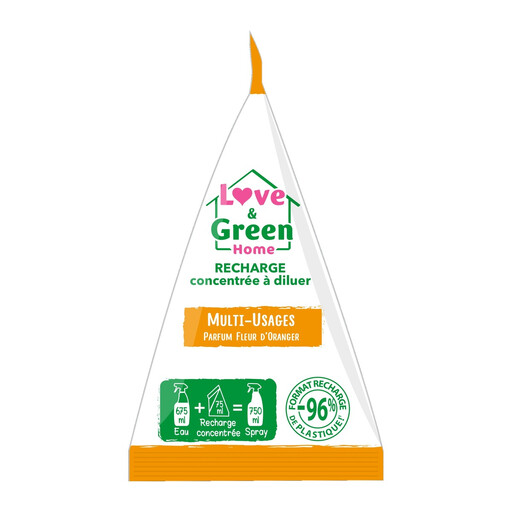
Why this suits this profile: Two 75 ml refills are enough to make two 750 ml sprays with water. A practical solution to save storage space and keep up with daily cleaning.
The concentrated format means you’re not paying to transport mostly water. You do need to follow the dilution: 75 ml of product to 675 ml of water.
A formula said to be 99% naturally derived, Ecocert certification and a bottle that can be reused up to seven times, according to the product page.
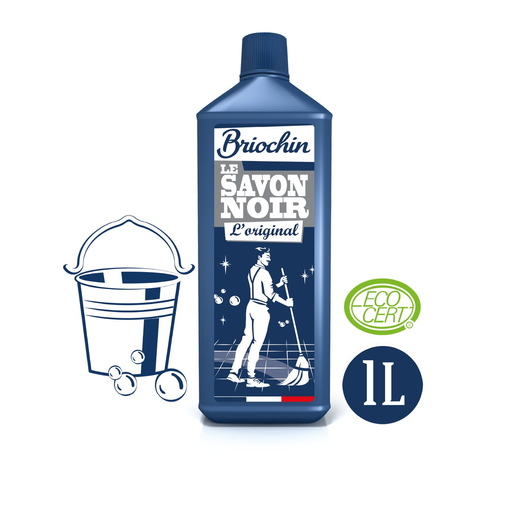
Why this suits this profile: This concentrated liquid black soap is for those who want a single product for floors, small surfaces and certain stubborn stains.
With a stated concentration between 5% and 15%, it’s better to dose it carefully rather than overuse it. Testing on an inconspicuous area is still recommended.
99% naturally derived ingredients stated, Ecocert certification, made in France and a recyclable bottle.
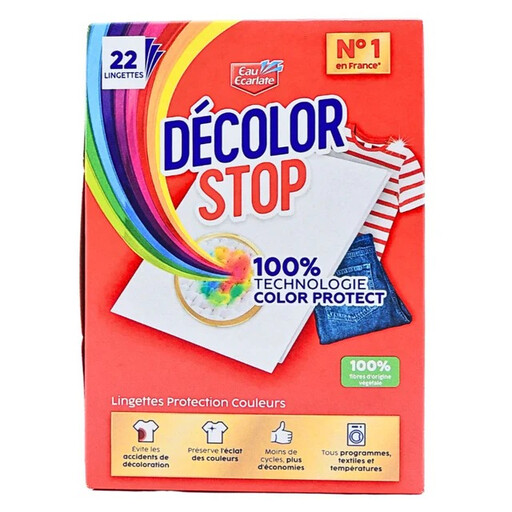
Why this suits this profile: Households that do lots of mixed-colour washes can add one sheet per cycle to reduce accidental colour transfer.
The product page states you should increase the number of sheets for very dark or heavily coloured fabrics. It also recommends separating certain new items.
Two packs totalling 44 sheets, fibres said to be plant-based and recycled and recyclable packaging, according to the description.
We’ve put together a full, real-time updated list of products that meet these demanding criteria and European safety standards.
Compare hypoallergenic detergents by looking at their ingredients, fragrances, preservatives and certification. Terms like ‘hypoallergenic’ or ‘for sensitive skin’ describe a formulation or brand positioning, but don’t guarantee no reaction for everyone. Also follow the recommended dosage.
No. Concentrated vinegar, certain degreasers and even bicarbonate of soda solutions can irritate eyes or skin, depending on their concentration and how they’re used. Always check the label, ventilate the room and never mix different products.
Calculate the price per wash, per dose or per litre of ready-to-use product. Refillable formats, concentrated products and larger containers can be good value for regular use, as long as you follow the dosage instructions and store them properly.