
Livraison le jour même ou le lendemain

Qualité garantie

Débloquez vos offres de bienvenue: Livraison GRATUITE | Jusqu'à -80 % | 30 jours d'essai gratuits à JoyPlus
Téléchargez l'application
Buying home cleaning products and baby accessories seems straightforward… until differences in size, material and intended use make the choice more complicated. A sponge that scratches a delicate hob, a baby nappy that isn't absorbent enough, or a concentrated cleaner that's dosed incorrectly can quickly turn a good deal into an unnecessary expense.
Three mistakes crop up time and again:
For household sponges, check for a soft side and, if needed, a scrubbing side. A double-sided sponge lets you switch from everyday cleaning to tougher scouring, but its abrasive surface should be used with care on sensitive materials.
Vegetable cellulose is valued for its absorbency. In the Spontex Essential range, the sponge part is said to be made from PEFC-certified vegetable cellulose. This refers to the stated material and doesn't replace the need to follow the usage recommendations.
For cloths intended for newborns, the composition, number of layers and dimensions are more telling than marketing claims alone. Cotton baby cloths can be chosen for their softness and breathability. A six-layer design will generally absorb more than a very thin fabric, but it will also need to dry thoroughly.
A pack of two or three sponges is usually enough for everyday kitchen or bathroom cleaning. Absorbent sponges should be rinsed after each use, wrung out well, and left to air dry. Replacing them regularly helps maintain good hygiene.
For a family, five nappies measuring 30 × 50 cm can come in handy when nappy changes follow one after another throughout the day. Before any contact with your baby's skin, check the fabric temperature and the condition of the seams. The pack shown can be washed at 40 °C, without bleach or dry cleaning, and should be air dried.
Very busy households and professionals should look at the total quantity rather than just the price tag. A 5-litre container can space out your purchases, provided you have suitable storage and follow the manufacturer's dosage instructions carefully.
Floor wipes are not universal wipes. The Carolin model shown is intended for wooden floors and parquet, on a dry or slightly damp surface. Avoid excess water and test on an inconspicuous area if your floor is unvarnished, waxed or particularly sensitive.
Eco-friendly household products can help reduce certain waste when they are reusable or labelled as biodegradable. This doesn't change one essential rule: a used wipe must never be flushed down the toilet. If the product contains essential oils or cleaning agents, keep the packaging out of reach of children and avoid contact with eyes.
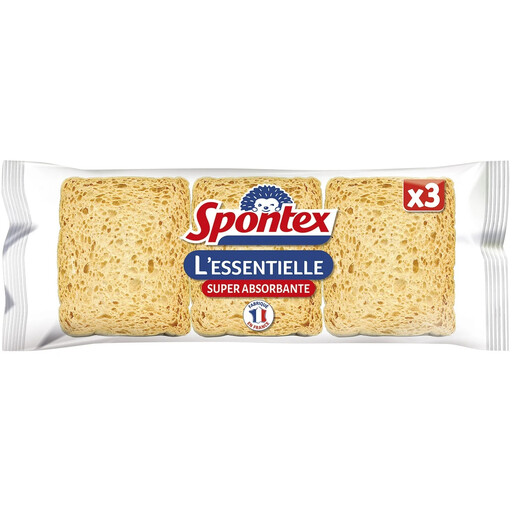
Why this choice suits this profile: A pack of three sponges lets you keep one for the kitchen, one for the bathroom and one for general cleaning, without building up a collection of different products.
The product clearly states its limitations, including that it is not suitable for non-stick surfaces which could be scratched.
Pack of 3 sponges, said to be made in France and a size suited to everyday cleaning.
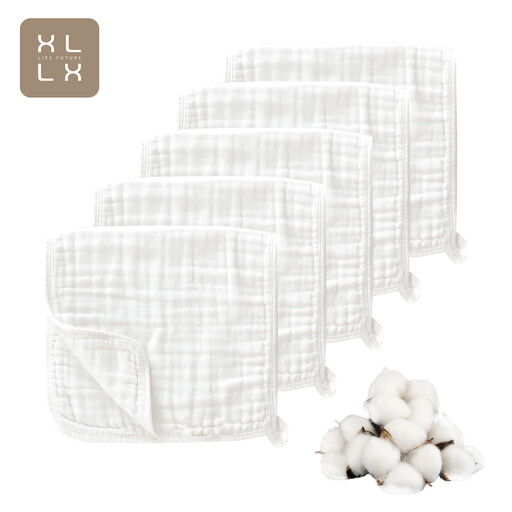
Why this choice suits this profile: Parents who prefer a reusable cotton textile will appreciate the pack of five pieces and the six-layer design.
The dimensions, 100% cotton composition and washing instructions are provided, making it easier to compare.
5 cloths measuring 30 × 50 cm, stated cotton, six layers and quick drying according to the product description.
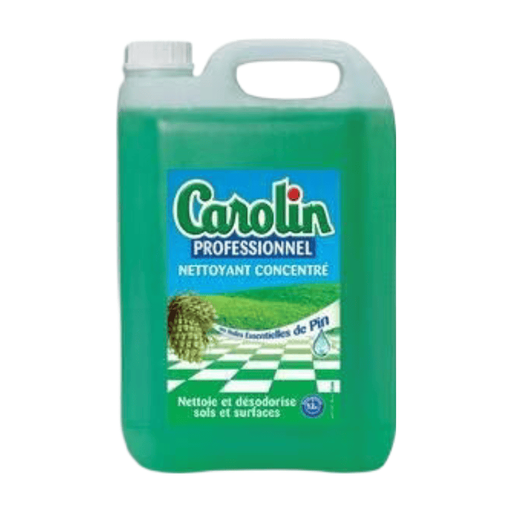
Why this choice suits this profile: The 5-litre container can suit large homes, professional premises and people who clean very regularly.
The large size reduces repeat purchases, while the dilution should be adjusted to the type of cleaning and the instructions on the label.
5 L capacity, concentrated formula and stated pine essential oil fragrance.
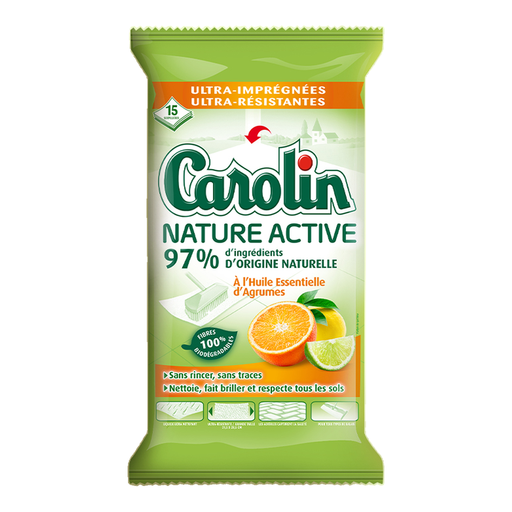
Why this choice suits this profile: People looking for a ready-to-use solution for parquet or wooden floors can turn to this product.
Its use is specifically stated for parquet and wooden floors, with a clear recommendation: limit moisture.
15 wipes, materials stated as biodegradable and citrus essential oil fragrance.
We've put together a complete, real-time updated selection of products that meet these demanding criteria, while also taking European safety regulations into account.
It depends on how often you clean, the surfaces you scrub and the condition of the sponge. The Spontex double-sided product shown recommends replacing it roughly every two months to maintain good hygiene. Change it sooner if it becomes worn, develops an unpleasant smell or no longer dries properly.
No. Even when they are labelled as biodegradable, wipes must be disposed of with household waste. They must never be put down the drains.
The actual cost depends on the recommended dosage, the number of washes you can get and how often you use it. A 5-litre format can be worthwhile for heavy use, but compare the amount of ready-to-use solution you get after dilution. Also make sure to store it out of reach of children.