
当日/次日达

品质保障

开启新人专享福利: 全场免邮 | 低至 2 折 | 免费试用 30 天 JoyPlus 会员
下载 Joybuy
With promises of long-lasting freshness, disinfecting formulas and eco-friendly claims, buying home cleaning products can quickly become a headache. Attractive packaging does not guarantee that a product will be suitable for your floor, laundry or bathroom fittings.
To avoid unnecessary purchases, compare three essential factors: the actual use, the ingredients and the instructions for use. Here is a simple method for choosing effective household products without being swayed by vague promises.
A pleasant scent makes cleaning more enjoyable, but it cannot replace suitable cleaning action. A fragranced toilet cleaner will not necessarily be as effective as a gel designed to remove limescale or stubborn stains.
A fabric conditioner, meanwhile, mainly affects how laundry feels and smells. It should not be treated as a laundry disinfectant unless the label clearly states this function and specifies the conditions of use to follow.
Wood, glass, enamel, stainless steel, textiles and shoes do not all react in the same way to cleaning agents. An abrasive formula can scratch a shiny surface, while too much water may damage a wooden floor.
Floor wipes are convenient for everyday cleaning, but always check that they are compatible with your flooring. On glass surfaces, a fast-drying glass cleaner can help reduce marks, provided it is applied with a clean, lint-free cloth.
Products containing bleach, caustic soda, hydrochloric acid or certain biocides require particular care. Never mix a disinfecting toilet gel with another product, especially an acidic limescale remover or ammonia.
The claims ‘disinfectant’ and ‘eliminates 99.9%’ must be interpreted in context: the type of micro-organism targeted, contact time, temperature and dosage. These figures refer to the performance claimed by the manufacturer under specific conditions; they are not a universal guarantee for every use.
Start by defining precisely what task needs to be carried out:
This distinction helps you avoid paying for a function you do not need.
Do not compare bottle volume alone: also look at the recommended dosage. A concentrated product or refill can reduce the amount of packaging and prove more practical, even if its listed price is higher.
For example, the Lenor shown below contains 882 ml for 42 washes, while the Soupline eco-refill contains 600 ml. However, the number of cycles covered depends on the dosage recommended by the brand and the type of washing machine used.
In a family, a home with young children or a household where washing machines run frequently, choose a product with clear instructions and straightforward storage requirements. Fragrance may also be a consideration: some people want a strong floral scent, while others prefer a fragrance-free formula.
Also check the label for fragrance allergens, ventilation recommendations and whether gloves or goggles may need to be worn. Biocidal products must be used carefully, in strict accordance with their labelling.
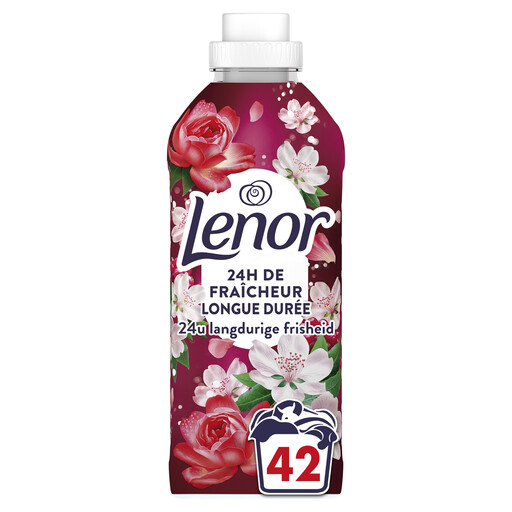
Why this choice suits this profile : its stated capacity of 42 washes is ideal for regular laundry care, with a jasmine and May rose fragrance.
The stated number of washes allows you to compare the cost per use rather than focusing solely on the bottle price. It is not a substitute for a laundry disinfectant.
Suitable for cold and quick cycles according to the product information, with a bottle made from recycled plastic, excluding the cap and sleeve.
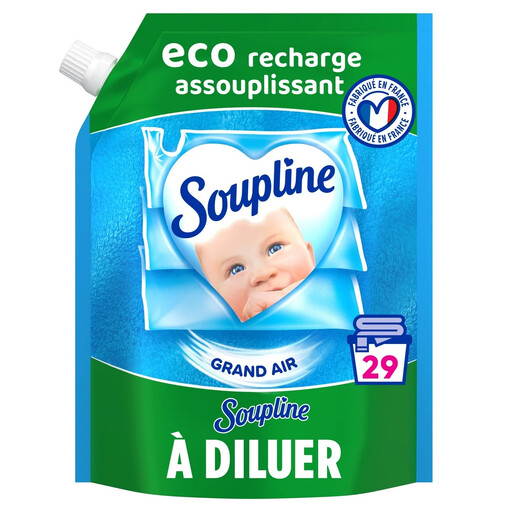
Why this choice suits this profile : this eco-refill is aimed at households that want to keep a noticeable fragrance while reusing their bottle.
The concentrated format and refill draw attention to two points that are often overlooked: dosage and reduced packaging.
The product information states that it contains 92% ingredients of natural origin and can be used from 25 °C.
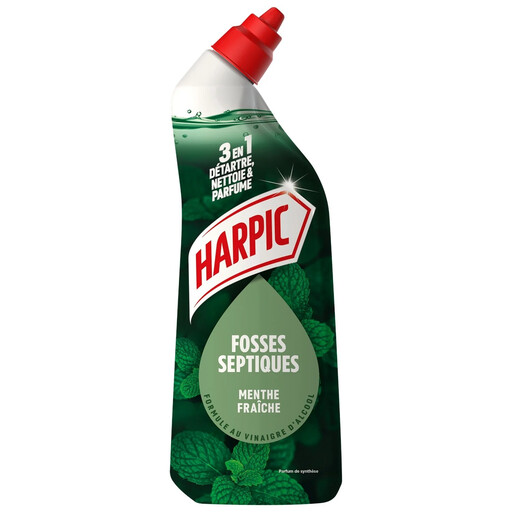
Why this choice suits this profile : its design for toilets connected to a septic tank meets a very specific installation requirement.
It helps you avoid automatically choosing a chlorine-based product when septic-tank compatibility is the priority.
750 ml gel containing vinegar alcohol according to the product information, designed to clean, remove limescale and fragrance the bowl.
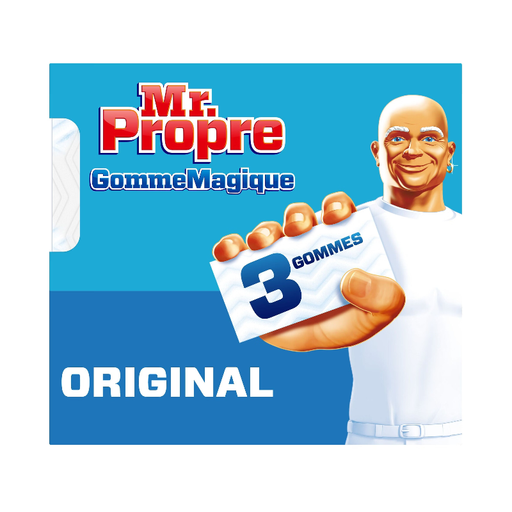
Why this choice suits this profile : this melamine foam is used with water to remove localised marks from certain washable surfaces.
The product information lists incompatible surfaces and recommends testing it in an inconspicuous area before first use.
Pack of three erasers, with no added cleaning product according to the instructions, for treating occasional stains.
We have put together a complete, real-time updated list of products that fully meet these strict selection criteria and European safety regulations.
Some laundry disinfectants are formulated for use from 20 °C, according to the manufacturer’s information. They are generally poured into the compartment intended for fabric conditioner. Always check the textile label and follow the stated dosage. LYSOL Sensitive Skin Laundry Disinfectant, for example, is described in its product information as free from bleach, colourant and fragrance, but it is still subject to specific instructions for use.
Shelf life depends on the formula and storage conditions. Keep products away from heat, sunlight and moisture, then check the expiry date and batch number shown on the packaging. An unusual smell, texture or colour should prompt you not to use the product.
A product described as biodegradable or made with ingredients of natural origin should still be chosen according to the surface and task involved. CAROLIN Nature Activ floor wipes, for example, are intended for wooden flooring and must be disposed of with household waste, never flushed down the toilet. So check the environmental claims, ingredients and usage limitations together.