
Livraison le jour même ou le lendemain

Qualité garantie

Débloquez vos offres de bienvenue: Livraison GRATUITE | Jusqu'à -80 % | 30 jours d'essai gratuits à JoyPlus
Téléchargez l'application
Between promises of “effortless” cleaning, supposedly universal products and accessories that wear out within weeks, buying cleaning equipment can quickly become more complicated than it first appears. An overly abrasive sponge can mark a hob, while a poorly designed squeegee leaves streaks on windows or turns out to be too short to reach the top of a shower.
To make a genuinely useful purchase, it is better to consider the material, size and care requirements before comparing prices. Here are the key criteria to examine, along with a selection suited to the main household uses.
A non-scratch sponge is designed to minimise marks, but that does not automatically mean it is suitable for every finish. Glossy, painted, non-stick or specially treated surfaces can react differently depending on the pressure applied, the type of dirt and the product used.
The best approach is to:
A scourer can be used for washing-up, sinks or tiles, but not all of its sides are designed for the same purpose. Similarly, a shower squeegee is designed to remove water from a smooth surface; it will not replace a brush for cleaning grout or textured areas.
A multi-purpose accessory is genuinely useful when it is based on practical features such as a double-sided design, ergonomic handle, flexible blade, integrated reservoir or adjustable handle.
A damp sponge left forgotten in the sink can retain residue and develop unpleasant odours. Likewise, a window squeegee stored with a dirty blade may become less effective and leave streaks.
After each use, it is best to:
In the kitchen, a cellulose sponge effectively absorbs liquids and produces plenty of lather. Double-sided models generally combine a soft section with a scouring surface. A non-scratch sponge may be suitable for non-stick pans, ceramic hobs or stainless steel, but testing it on a small area is still recommended.
Thermoreactive models, such as certain “magic” sponges, change texture depending on the temperature of the water. This feature can be useful when switching from gentle cleaning to more vigorous scrubbing. However, it does not remove the need to read the manufacturer’s warnings, particularly for glossy or painted surfaces.
For a window or shower squeegee, the flexibility and consistency of the blade matter more than its appearance. A flexible blade should remain in contact with the smooth surface, but must not be used on a rough surface.
A telescopic handle makes it easier to clean tall glass doors, large windows and hard-to-reach areas. Check its adjustment range and the reliability of the locking system. For example, the JE CHERCHE UNE IDEE Telescopic Raclette M24 extends from 36,5 to 97,5 cm. Each section must be securely locked before every use.
A squeegee with a spray function can save you from having to use several tools for a quick cleaning session. The SQUEEGEE WITH SPRAY 220ML M24 combines a 220 ml reservoir, a microfibre cover and a drying blade. It can be used on mirrors, windows, shower screens and other smooth surfaces, with water or a non-corrosive glass cleaner.
For the car, a retractable model can be stored easily in a glove compartment or door pocket. Before running the blade over the surface, remove dust and particles to reduce the risk of scratching the glass.
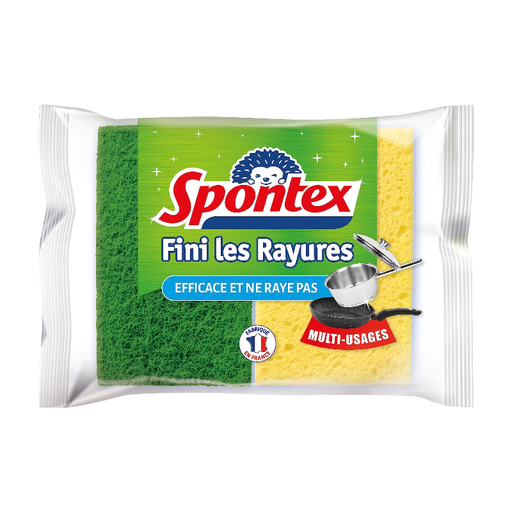
Why this choice suits this profile : This pack of two sponges is suitable for everyday kitchen tasks and allows you to keep washing-up, sink cleaning and other household surfaces separate.
The scouring side is described as non-scratch for delicate surfaces. It is still recommended that you test the sponge on an inconspicuous area and replace it regularly.
Pack of 2, plant-based section made from cotton, wood pulp and linen, machine-washable or dishwasher-safe at 40 °C according to the instructions provided.
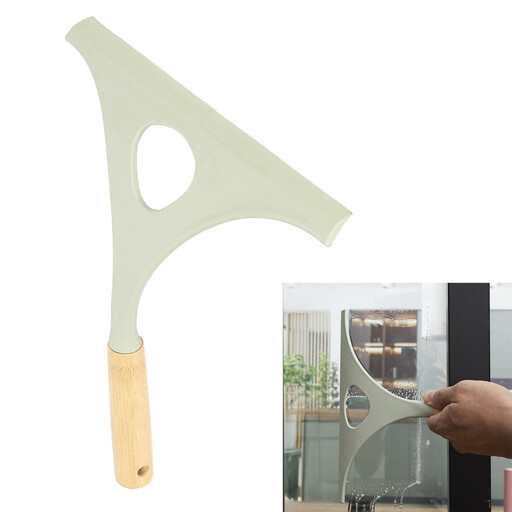
Why this choice suits this profile : Its bamboo handle gives it a refined finish and a comfortable grip for regularly cleaning shower screens, mirrors and glass surfaces.
The flexible blade is designed for smooth surfaces. Following the care instructions for the bamboo prevents the handle from being left soaking for too long.
Lightweight bamboo handle, flexible blade, compact size and suitable for use on shower screens, mirrors, splashbacks and windscreens.
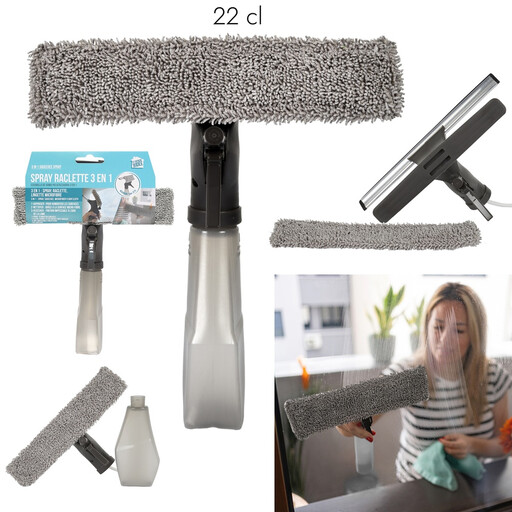
Why this choice suits this profile : Its three-in-one design is suitable for frequent cleaning of windows, mirrors, shower enclosures and the car’s glass surfaces.
The integrated reservoir means you do not need several separate accessories. However, use only water or a non-corrosive glass-cleaning solution, and make sure the cap is closed securely afterwards.
220 ml reservoir, removable microfibre cover, integrated spray function and rubber blade for drying smooth surfaces.
We have put together a complete, real-time updated selection of products that meet these strict criteria and the requirements of European safety regulations.
The method matters just as much as the tool you choose. For windows, apply the cleaner to a microfibre cloth or pour it into the designated reservoir, then work in small areas. Rinse the blade regularly so that no grit becomes trapped between the rubber and the glass.
In the kitchen, choose the sponge according to the type of dirt: use the soft side for light residue and the scouring surface for more stubborn deposits, without applying excessive force. Cellulose sponges should be rinsed thoroughly and dried between uses.
In the bathroom, use the shower squeegee once the water has been removed from the smooth surfaces. A telescopic squeegee can help you reach higher areas, but the extensions must be locked before each pass.
There is no universal replacement schedule. Replace it as soon as it tears, becomes misshapen, retains an odour despite washing or loses its absorbency. Some manufacturers provide an indicative replacement frequency, but the instructions on the packaging should always take priority.
Yes, provided it is designed for smooth glass surfaces and its blade is perfectly clean. Start by removing dust and particles from the windscreen or mirrors with water. Avoid rough surfaces, seals and areas where debris could become trapped.
Models advertised as non-scratch may be suitable, but check the instructions first and test it on a small area. Never use the sponge on a hob or pan that is still hot, and avoid corrosive products that are not intended for this use.