
Livraison le jour même ou le lendemain

Qualité garantie

Débloquez vos offres de bienvenue: Livraison GRATUITE | Jusqu'à -80 % | 30 jours d'essai gratuits à JoyPlus
Téléchargez l'application
A stubborn smell in the car, a tricky-to-clean sofa, or a poorly ventilated bathroom – these issues don’t always call for the same product. Yet the home and car air freshener aisle is packed with sprays, electric diffusers, fabric solutions and reed diffusers. Picking a pleasant scent isn’t enough: the format and how it works matter just as much.
Three common mistakes keep cropping up:
To avoid an impractical or costly purchase, it’s best to compare the diffusion method, the area of use and the claimed duration. Bear in mind, though, that the manufacturer’s figures don’t guarantee the same results in every home or vehicle.
An aerosol air freshener is ideal for a quick fix in a room. It lets you control the amount sprayed, but usually requires good ventilation. Models like Febreze Aero Fresh Linen or AIR WICK Pure are designed to be sprayed into the air, not directly onto people, pets, food or furniture.
For regular fragrance in a room, an electric scented diffuser works continuously, with adjustable intensity on some models. Just make sure the device and the electric air freshener refill are compatible. An Air Wick refill, for example, must be used with a compatible Air Wick electric diffuser.
A reed diffuser works without a plug or batteries. The reeds absorb the fragrance and release it gradually into the air. The rate varies depending on the number of reeds, the temperature and any draughts. Place it on a stable, flat surface, away from splashes.
In a car, you can choose a car air freshener for a quick burst, a capsule or a rechargeable device. The Meguiar’s system shown below uses the vehicle’s ventilation during application. Some more advanced models only release fragrance when the car is moving.
Claims like “up to 24 hours”, “90 days” or “3 to 4 months” are based on very specific usage conditions. The intensity setting, temperature, room size and how often you use it all affect consumption.
These figures are useful for comparing products, but they won’t give you an exact monthly cost for every household. A higher diffusion level will generally shorten the life of the refill or bottle.
Before using an odour neutraliser, read the label and stick to the intended use. For fabrics, always test on an inconspicuous area, especially on coloured or delicate materials. The products featured here advise against use on leather, silk or velvet unless specifically designed for those materials.
Pressurised aerosols must be kept away from flames, sparks and high temperatures. Even if a product is labelled as non-flammable, you should still follow the safety precautions. For a biocidal product like SANYTOL Textile Disinfectant Deodorizer Spray, use it only as directed on the label and let the fabric dry completely before reuse. The term fabric disinfectant does not mean the product can be applied to skin.
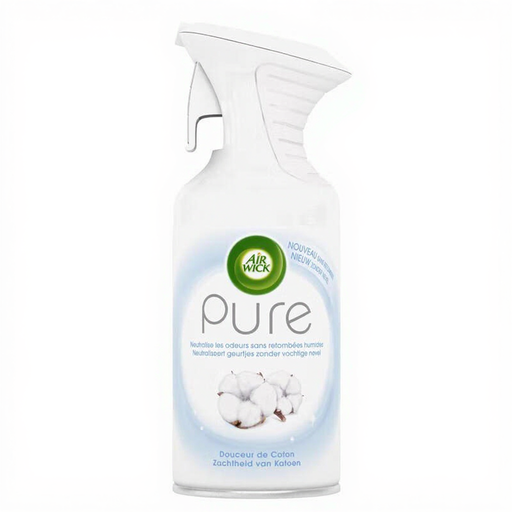
Why this suits this profile: At 250 ml, this aerosol lets you try a fragrance and treat a room as needed, without investing in a device.
Its format lets you control how much you use, unlike a continuous diffuser that can drive up consumption without real need.
The listing claims a no-wet-fallout formula and action in seconds, with a cotton-soft fragrance.
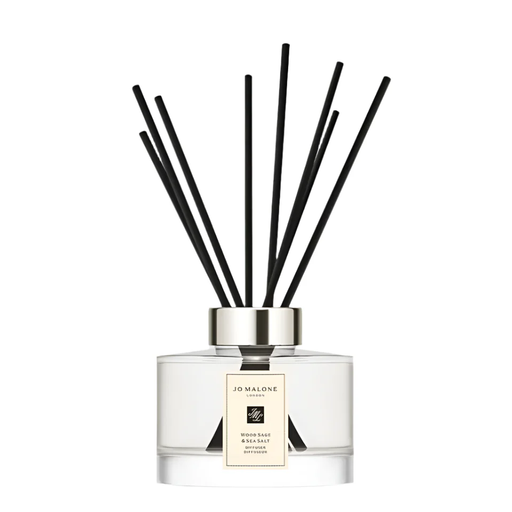
Why this suits this profile: Its 165 ml bottle and sea salt notes appeal to those looking for both a beautiful decorative object and a fresh, continuous fragrance.
The claimed duration of around 3 to 4 months gives you a concrete benchmark rather than a vague promise of long-lasting scent.
The set includes ten reeds and works without a plug or batteries.
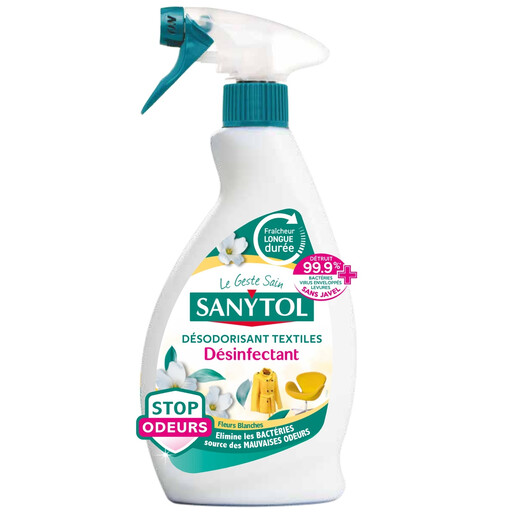
Why this suits this profile: At 500 ml, this spray targets non-washable or hard-to-clean fabrics like carpets, curtains and upholstery.
Its fabric-specific purpose is clearly stated – so you avoid spraying a simple air freshener onto a material that holds onto odours.
The listing claims a fine mist and quick drying. Check the label before use and test on an inconspicuous area first.
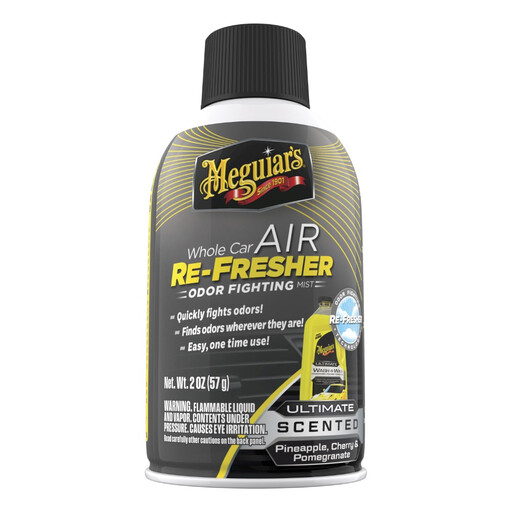
Why this suits this profile: This format is designed to treat the entire cabin, especially after a stubborn odour has set into poorly ventilated areas.
The instructions involve circulating the air on a closed loop with the windows up, then airing the vehicle. So the product doesn’t just scent one area.
The 57 g format is designed to diffuse through the ventilation system. The aerosol is flammable – follow the warnings carefully.
We’ve put together a full, real-time selection of products that meet these exacting criteria, while complying with European safety regulations.
It depends on the model, the intensity setting and how many hours a day it’s used. Manufacturers generally quote a duration ranging from a few weeks to several months. Some electric refills, for example, claim up to 90 or 120 days on the lowest setting. To keep your budget under control, compare the claimed duration with the intensity you actually use and the price of refills.
No. A fabric odour eliminator spray should only be used on materials approved by its label. Test on a hidden area and avoid leather, silk and velvet if the manufacturer doesn’t list them as compatible. Also let the fabric dry completely before reuse.
For the Meguiar’s Ultimate Whole Car Air Re-Fresher, the instructions recommend starting the engine, setting the air conditioning to maximum with recirculation on, then placing the can on the floor, passenger side. After 10 to 15 minutes, open the windows to let in fresh air before driving. Always read the instructions and keep the aerosol away from any heat source.