Before you buy, check which appliances are already there and whether they work. If the property doesn’t meet your immediate needs, prioritise food storage and cooking, followed by laundry, depending on the facilities available; a dishwasher can wait until you’ve confirmed it will be useful and can be installed. For each appliance, check access, space and connections before comparing energy label figures.
Who are these choices for?
Households without working essential appliances
If the property doesn’t yet have a way to keep food fresh or cook, first identify what you’ll need from the day you move in. The CAF recommends checking which appliances are already provided before adding anything else.
People living in a small home
Door clearance, a narrow hallway or awkwardly placed connections can influence your choice just as much as an appliance’s features. The CAF recommends measuring the space and checking sockets and connections before you buy.
Households thinking about long-term use
If some purchases can wait, compare the energy use and noise levels shown on the relevant appliances’ labels. ADEME presents these figures as useful points of comparison; durability or repairability indices can provide further information where applicable.
What should you check before ordering?
Start with what the property is genuinely missing, then check that each appliance will fit and work there. Next, compare the features that matter for your needs rather than choosing a capacity or functions before you’ve worked out what you need.
| Consideration |
What to check |
Consumers concerned |
| Meeting your immediate needs |
Check the inventory and make sure the appliances already there work. Identify any gaps in food storage, cooking or laundry. |
If I don’t have a working appliance for an essential everyday task, I want to take care of that before adding optional equipment; around 33% of consumers would put this need first. |
| Getting the appliance in and installed |
Measure the space and delivery route; check the door opening, sockets and, depending on the appliance, the water inlet and drain. The CAF recommends making these checks before you buy. |
If access or connections are restricted, I need an appliance that suits the property before considering anything else; around 27% of consumers would prioritise this compatibility. |
| Comparing energy use and lifespan |
Compare label figures within the same category and using the same measurement basis. Check the durability or repairability index where one applies to the appliance. |
For an appliance I’ll use often, I want to consider its energy use and information about how long it may last; around 20% of consumers would make this their main concern. |
| Choosing laundry appliances |
Check the washing machine’s capacity, door style and noise level, particularly if it will be near a living area. |
If I don’t have a practical way to do my laundry, I want to find a suitable capacity without overlooking noise at home; around 13% of consumers would put this combination of needs first. |
| Deciding whether to buy a dishwasher |
Confirm how often you expect to use it, whether there’s room for it, and how it will connect to the water supply and drain before choosing a model. |
If I can wash up another way when I move in, I want to know whether I’ll use this appliance enough to buy it now; around 7% of consumers would prioritise this decision. |
Mistakes to avoid
-
Ordering without checking which appliances are already there
A fridge or cooking appliance may already be provided. The CAF recommends checking what’s in the property; the ANIL also advises checking the inventory for a furnished rental.
Test the appliances already there and check the inventory again before making a list of what you need.
-
Measuring the space but not the route to it
An appliance may fit in its space but not through the doors or up the stairs. Unsuitable sockets or connections can also prevent it from being installed and used.
Measure the access route and check the existing connections, as well as the requirements in the model’s instructions.
-
Looking only at the energy label rating
The label also shows energy use and, depending on the category, noise or water figures. ADEME recommends checking this information when comparing appliances designed for the same purpose.
Compare figures measured on the same basis, then check the durability or repairability index where applicable.
-
Assuming you need a dishwasher from day one
Whether it’s useful depends on how you’ll use it and whether it can be installed in your kitchen. It doesn’t replace the need to check whether you have working appliances for food storage, cooking or laundry.
Check there’s room for it and confirm its water supply and drainage. If you don’t need one straight away, decide after you’ve settled into the property.
Brands to know
There are no brand profiles to display in this section.
Appliances to suit your needs
These appliances suit a range of decisions you might make when moving into your first home: equipping it for food storage or cooking, keeping the floors clean, or considering a dishwasher if it would suit your needs. Choose only the features you’re missing, after checking the space and installation requirements.
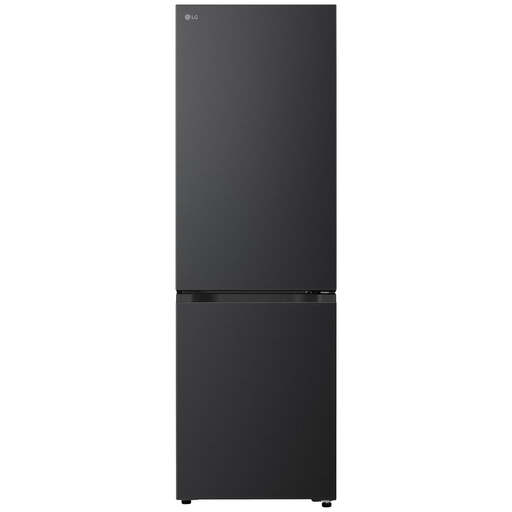 Image unavailable
LG GBBS312CEV, 333 L fridge freezer
Worth considering if the property doesn’t have a working fridge and freezer. The model name indicates a total capacity of 333 L and an energy rating of C; check the dimensions, delivery access and clearance required for installation.
View on Joybuy
 Image unavailable
CHiQ JR227LSE, 227 L fridge freezer
Consider this if you need both compartments but have limited space. The model offers 153 L of fridge capacity and 74 L of freezer capacity, is 54 cm wide, has a reversible door and an energy rating of E. Check the height, depth and access route too; Low Frost means you’ll still need to defrost it when required.
View on Joybuy
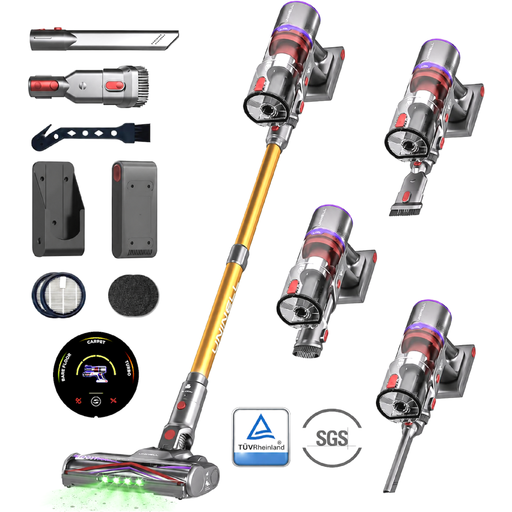 Image unavailable
MONSGA X UNINELLHOME UV5, cordless stick vacuum cleaner
An option if you need to equip the property for floor cleaning and would prefer a cordless model. The claimed battery life is up to 65 minutes; check the runtime for the mode you’ll use, as well as how much storage space it needs.
View on Joybuy
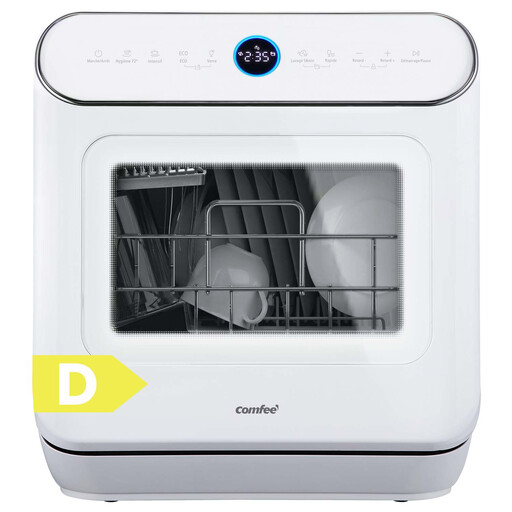 Image unavailable
COMFEE CDWMT305WD, countertop dishwasher for 3 place settings
Consider this if a compact dishwasher would suit your regular needs, after you’ve taken care of the appliances you need from day one. The model has a capacity of three place settings, seven programmes and an energy rating of D. Check the available space and how it will be filled with water and drained.
View on Joybuy
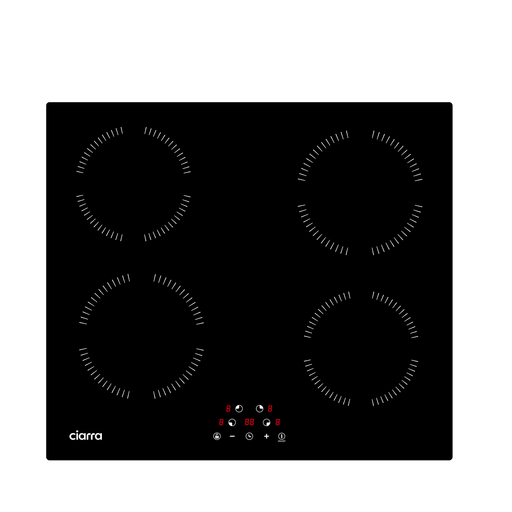 Image unavailable
CIARRA CABBIH4-A, built-in induction hob with 4 zones
Worth considering if the property doesn’t have a working hob and your kitchen can accommodate a built-in model. This hob has four zones and nine power levels. Check the cut-out dimensions, electrical circuit and installation requirements in the instructions before ordering.
View on Joybuy
Frequently asked questions
What should I check in a furnished kitchen before buying appliances?
Check which hob, oven or microwave, fridge and freezer facilities are actually provided, then test them and read the property inventory. The ANIL lists these appliances in its information about furnished rentals; when deciding what to buy, their presence and condition matter just as much as the list of items expected to be provided.
What should I compare on a dishwasher’s energy label?
Compare energy use per 100 cycles, water use per cycle, capacity, the duration of the Eco programme and noise level, as well as the energy rating. ADEME presents these figures as useful points of comparison when looking at dishwashers on the same basis.
Is the energy label enough to choose an appliance?
No. It helps you compare models in the same category, but it won’t tell you whether the appliance will fit through the access route or can be installed. Measure the space and check the required connections before making your decision.
Which index should I check for durability or repairability?
For appliances covered by the scheme in France, check the durability index for a washing machine or the repairability index for a vacuum cleaner or dishwasher. According to the ministries responsible for the ecological transition, these indices provide information about durability or repair; they don’t replace checking that the appliance’s capacity and installation requirements suit your home.


