What should you compare before buying?
Start by deciding on the capacity and features you genuinely need, then compare energy use using the figures specified for each category.
| Criterion |
What to check |
Who it’s for |
| Energy use and capacity for refrigeration |
Compare kWh/year and usable compartment volumes for fridges and freezers that meet the same needs. |
If I’m replacing a fridge or freezer, I want a capacity that suits what I store, rather than choosing based only on the appliance’s external dimensions. Around 29% of consumers prioritise energy use and capacity when choosing refrigeration appliances. |
| Wash cycles and laundry load |
Work out your usual load sizes, then compare kWh per 100 cycles, water per cycle and noise levels for suitable washing machines. |
If I do laundry regularly, I want a capacity that suits my loads and comparable figures based on the reference cycles. Around 22% of consumers prioritise matching their laundry habits and load size with energy use. |
| Energy, water and noise for dishwashing |
Check the place-setting capacity, kWh per 100 cycles on the eco programme, litres per cycle, programme duration and noise level. |
If I’m replacing my dishwasher, I want one that suits the amount of washing-up I usually do and lets me compare energy use, water use and noise. Around 21% of consumers prioritise the cost and convenience of dishwashing. |
| A hob to suit your cooking |
Check the hob type, stated specifications, and whether your cookware and installation are compatible. |
If I’m replacing a hob, I want one that suits the way I cook and the equipment I have. Around 14% of consumers prioritise choosing a hob that suits their cooking habits. |
| Repair or replace |
Have your current appliance diagnosed. If you’re buying, check the relevant index for its category and the information available about spare parts. |
If my appliance can still be used, I want to compare the cost of repairing it with the cost of a suitable replacement before deciding. Around 14% of consumers prioritise diagnosis, repair or keeping their current appliance. |
For washing machines, the energy label shows figures including kWh per 100 cycles and water use per cycle. Dishwasher labels also give the eco programme duration and noise level. For refrigeration appliances, compare annual energy use in kWh and compartment volumes. The European Commission specifies these labelling bases; they are not interchangeable between categories.
To estimate an appliance’s electricity costs, multiply a fridge or freezer’s annual kWh figure by your price per kWh. For a washing appliance, divide the kWh per 100 cycles by 100, then multiply by the number of cycles you expect to run and your price per kWh. This calculation is based on the energy-label figures and your assumptions about use, so it cannot guarantee the amount of your bill. Hobs do not have an energy label; the European Commission states that no energy-labelling requirements apply to them.
In France, the durability index has applied to washing machines since 8 April 2025, according to the ministry responsible for ecological transition. Dishwashers are among the categories covered by the repairability index. These indices provide information that is separate from electricity use. Also check the information available about spare parts for the model you’re considering.
Products available on Joybuy
This selection includes refrigeration appliances and dishwashers to compare by capacity, stated energy use and how well they fit your space.
 Image unavailable
Samsung RB33B612EBN, 344 L, black, class E
Worth considering if you’re looking for a freestanding fridge-freezer and want to compare its annual energy use and the volume of each compartment.
Stated energy use: 254 kWh/year. Capacity: 230 L for the fridge and 114 L for the freezer. Reversible door.
View on Joybuy
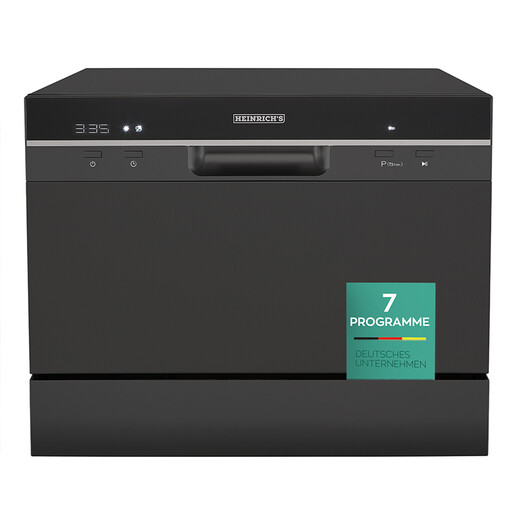 Image unavailable
Heinrich's HTG 8840, table-top dishwasher, 6 place settings, class D
Worth comparing if a capacity of 6 place settings suits the amount of washing-up you do and you’re looking for a table-top model.
Stated figures: 49 kWh per 100 cycles, 6.5 L per cycle and 47 dB.
View on Joybuy
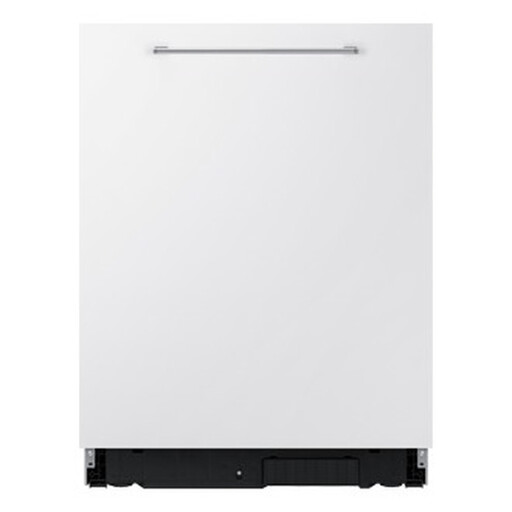 Image unavailable
Samsung DW70H72WCB0U1, 60 cm integrated dishwasher, 13 place settings, class C
Worth considering if you have space for a fully integrated dishwasher and a capacity of 13 place settings suits your needs.
Stated specifications: energy class C and a noise level of 44 dB(A).
View on Joybuy
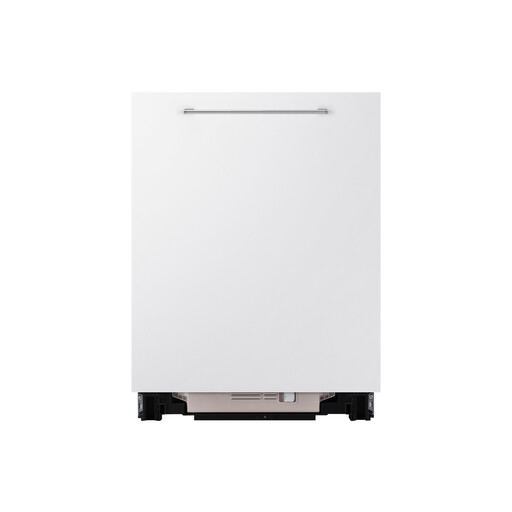 Image unavailable
Samsung DW80H72YBB0U1, 60 cm integrated dishwasher, 13 place settings, class B
Worth considering if you have space for a fully integrated appliance and its capacity of 13 place settings suits the way you use it.
Stated specifications: energy class B and an Extra Silence programme.
View on Joybuy
 Image unavailable
Haier HTW5618ENMG, 360 L fridge-freezer, class E
Worth comparing if you’re looking for a freestanding refrigeration appliance and its capacity suits your storage needs.
Stated energy use: 271 kWh/year. Capacity: 235 L for the fridge and 125 L for the freezer. The product name mentions Total No Frost, Wi-Fi and My Zone.
View on Joybuy
Frequently asked questions
How can I estimate an appliance’s electricity costs without promising a saving?
For a refrigeration appliance, multiply the stated kWh/year by your price per kWh. For a washing machine or dishwasher, divide the kWh per 100 cycles by 100, then multiply by the number of cycles you expect to run and your price per kWh. The result depends on the energy-label figures and how you use the appliance; it is not a guaranteed bill or a direct comparison between categories.
Does an electric hob need to display an energy class?
No. The European Commission states that no energy-labelling requirements apply to domestic hobs. So don’t look for the same class or labelled kWh figures as you would for a dishwasher. This answer does not cover oven labelling.
Which French index should I check for a washing machine or dishwasher?
In France, the durability index replaced the repairability index for washing machines on 8 April 2025, according to the ministry responsible for ecological transition. Dishwashers are among the categories covered by the repairability index. These indices provide information that is different from electricity use and should not be applied indiscriminately to fridges or hobs.
What should I check before repairing or replacing an appliance?
Before replacing a faulty appliance, have the cause investigated and look into maintenance or repair options. For a new appliance, check the information available about spare parts and compare features that suit your needs. The DGCCRF states that if the seller has been informed by the manufacturer how long spare parts will be available, they must pass this information on to the consumer at the time of purchase.
What guarantees and take-back arrangements should I check when buying in France?
When you buy from a professional seller, the legal guarantee of conformity applies subject to its conditions. The DGCCRF states that claims under this guarantee must be brought within two years of the goods being delivered. When you buy a replacement appliance, the retailer must tell you before the sale how to arrange free take-back of your old equipment, including for distance purchases, according to Service-Public.fr.


