People who exercise on the go
Between an activity, a journey and a meal, you’re looking for a portable snack with protein content that’s easy to check. The Anses lists almonds, pistachios and peanuts among plant-based sources of protein.


For an easy-to-pack summer snack, start by comparing plain or dry-roasted nuts, then check the protein, sugar and salt per 100 g. Almonds, walnuts and peanuts can contribute to your protein intake, but the format, portion, ingredients and allergens matter just as much as the figures on the label. This snack alone is not a post-workout recovery plan.
Between an activity, a journey and a meal, you’re looking for a portable snack with protein content that’s easy to check. The Anses lists almonds, pistachios and peanuts among plant-based sources of protein.
For a summer break, you want to tell plain nuts apart from a savoury snack mix or a sweetened recipe. Manger Bouger recommends a small handful of unsalted nuts a day.
If you’re buying for someone with an allergy, checking the ingredients comes before comparing nutritional values. The Directorate General for Competition Policy, Consumer Affairs and Fraud Control (DGCCRF) states that allergens must be highlighted in the ingredients list on pre-packed foods.
First decide whether you’ll eat the snack straight away or use it in a recipe. Then compare the labels of products in the format you need, without confusing nuts with dried fruit or flavoured recipes.
| Criteria | What to check | Who it matters to |
|---|---|---|
| Protein | Compare the protein per 100 g in the nutrition information, then consider the portion you plan to take with you. | After an activity, I want to know how this snack could fit into my diet, without mistaking it for a meal. Around 36% of consumers rank protein content as their top criterion. |
| Ingredients | Read the ingredients, and check the sugar and salt per 100 g. See whether the recipe is plain, salted or coated. | For a regular snack, I’d rather know what’s in the packet than choose based on its appearance alone. A simple recipe would be the priority for around 29% of consumers. |
| Format | Choose whole nuts for a snack that needs no preparation; save ground nuts or nut butter for snacks you can prepare. | When I’m travelling or at the beach, I may not have a container or utensil to hand. A ready-to-eat format comes before other criteria for around 21% of consumers. |
| Allergens | Check the ingredients list for allergens and look for any precautionary ‘may contain’ statements on the pack you buy. | If the snack is for someone with an allergy, I need to check the specific product before considering its nutritional values. Around 14% of consumers make this their top selection criterion. |
This term can refer to dried fruit, nuts or mixes. Their ingredients and nutritional values vary, so the category name alone isn’t enough to help you choose a protein-rich snack.
Compare the protein, sugar and salt per 100 g, then check the ingredients of the product you’re interested in.
A smoked or coated product may contain added salt, sugar or other ingredients. E.Leclerc’s product listing for TOKAPI smoked-flavour almonds, for example, includes sunflower oil and salt. That’s a different recipe from plain almonds.
If you’re looking for a simple recipe, read the ingredients list and check the salt content rather than judging by the look of the packet.
E.Leclerc’s product listing for Couleurs Vives roasted almonds shows 27,4 g of protein per 100 g, but also 629 kcal and 51,8 g of fat in the same amount. These figures describe the product, not the portion you’ll actually eat.
Plan how much you’ll take with you. Manger Bouger recommends a small handful of unsalted nuts a day.
A mix or peanut-based product may contain other ingredients or carry a ‘may contain’ statement. Even a product that looks simple still needs to be checked on the label.
If you’re buying for someone with an allergy, check the ingredients list and any ‘may contain’ statements on the pack. Take particular care to distinguish peanuts from tree nuts.
These examples are for comparing product types and their labels; they aren’t a ranking of retailers.
E.Leclerc’s product listing for Couleurs Vives almonds describes a 250 g bag of whole, dry-roasted almonds with no added salt. It’s worth considering if you want a snack you can eat straight from the packet.
Tablier Blanc ground almonds are suitable for a prepared snack, for example stirred into yoghurt, rather than a break where you eat straight from the packet.
Auchan’s almond range lets you browse different recipes, including unsalted almonds. The label of the specific product you choose is what matters most.
Carrefour’s nutrition and protein range also includes almond and cashew bars. A cereal bar can’t be compared with a handful of nuts based on its name alone.
These products offer several ways to plan a holiday snack: walnuts in their shells to crack open, unroasted peanuts to prepare, flavoured almonds and pistachios. First choose based on what you can prepare while travelling and the recipe you’re looking for, then check the packaging of your chosen product.
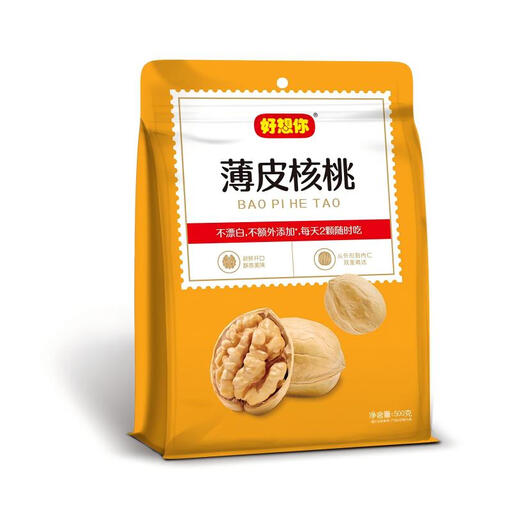 Image unavailable
Worth considering if you can crack the walnuts open when you stop for a snack and want to split the pack between several outings. The pack contains 8 sachets totalling 500 g. Check the storage instructions on the packaging before taking it on holiday, and check the allergen information too.
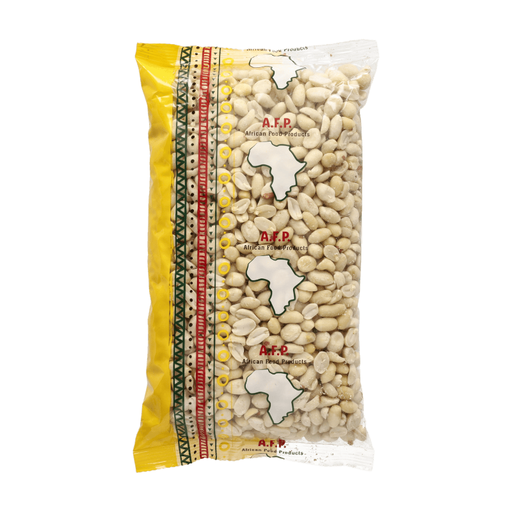 Image unavailable
This 800 g pack is better suited to a snack you can prepare than one that’s ready to eat. The peanuts are unroasted, so check the preparation instructions before eating them. If you’re buying for someone with an allergy, check the allergen information too.
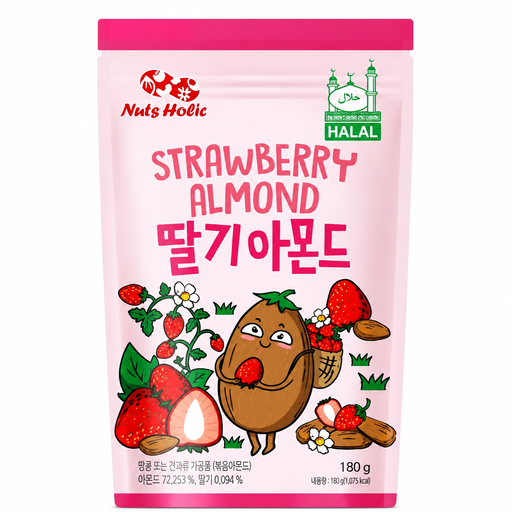 Image unavailable
The 180 g bag is a flavoured snack to take with you, not a pack of plain almonds. If you’re looking for a recipe with no added sugar, compare its ingredients and sugar content with those of unflavoured almonds. Check the allergens on the pack too.
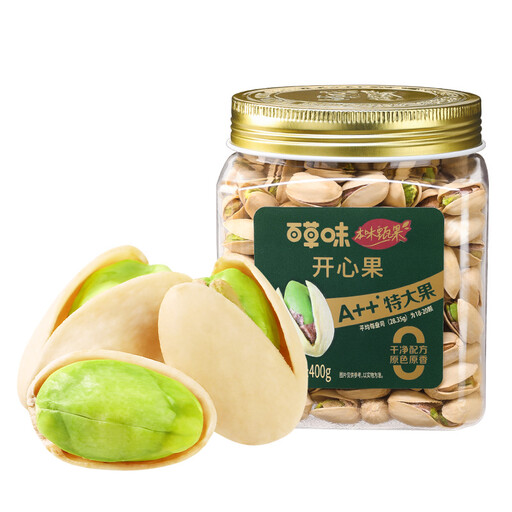 Image unavailable
These pistachios could suit a break where you don’t plan to prepare anything. If an unsalted snack is your priority, check the salt content of this product before choosing it. Also check the portion size and allergens on the 400 g bag.
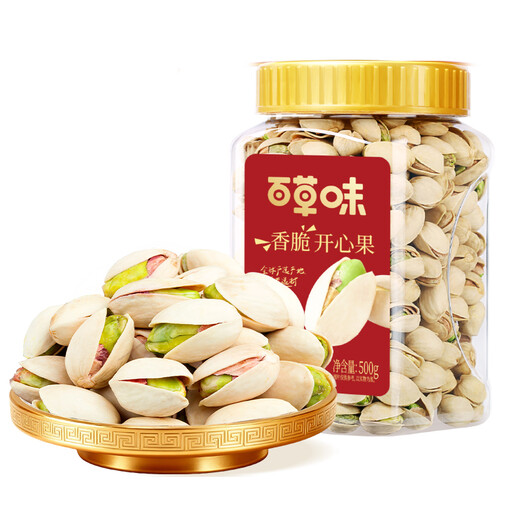 Image unavailable
This 500 g bag is a good fit if you don’t mind removing the shells during your break. For an unsalted snack, check the recipe and salt content on the packaging. Plan how much to take with you and check the allergens too.
No. Nuts alone aren’t enough to plan your diet around physical activity. The Anses lists them among plant-based sources of protein; think of them as part of a varied diet rather than the only source of protein in a meal.
If you’re looking for a simple everyday snack, Manger Bouger recommends a small handful of unsalted nuts a day. A salted or flavoured recipe is a different choice: read the ingredients and compare the salt and sugar per 100 g.
First check that you’re comparing like with like, then read the nutritional values per 100 g and the ingredients list. The DGCCRF states that the nutrition declaration on relevant foods includes energy, fat, sugars, protein and salt. Then consider how much you’ll actually eat.
Read the ingredients list and any ‘may contain’ statements on the specific pack you’re buying. According to the DGCCRF, allergens in pre-packed foods must be highlighted in the ingredients list. Check separately for peanuts and any relevant tree nuts.