Who this question matters to

Households with an established cookware collection

You want to replace a hob without discarding saucepans and frying pans that are still perfectly usable. Test the cookware you use most with a magnet first, then assess only the pieces that may need replacing.

Cooks who use a range of materials

You cook with copper, aluminium, glass, ceramic or other non-magnetic materials. A ceramic hob can help you avoid replacing everything; a combination solution also requires the gas supply conditions to be suitable.

Buyers replacing a built-in hob

You need the new hob to fit an existing cut-out. Compare the installation dimensions, power, voltage and fitting instructions for the exact model, rather than relying on its advertised width alone.

Key considerations

Start by taking stock of your cookware, then check the installation space and power supply before comparing technologies.

Priority What to check Your needs
Induction compatibility Test whether a magnet sticks to the base. Check that the base is flat and confirm the minimum and maximum diameters accepted by each zone. I want to know before buying which saucepans will remain usable, especially the ones I use every day.
Keeping varied cookware For induction, sort out containers with magnetic bases. For a ceramic hob, check the condition of the bases; for a combination hob, also confirm the type of gas available. My cookware collection includes a variety of materials, and I would prefer not to replace items that are still useful.
Overall cost and installation Compare the hob, cookware that needs replacing and any work required. Note the cut-out dimensions, power, voltage and ventilation instructions in the manual. I want to avoid buying a model that works with my pans only to discover that the worktop or power supply needs unexpected alterations.

Mistakes to avoid before buying

  • Assuming that all stainless steel works with induction

    A ferromagnetic base is essential, but recognition also depends on the flatness and construction of the base, as well as the diameter accepted by the zone. Electrolux specifically recommends a base that is as flat and thick as possible.

    Test the cookware you actually use with a magnet and compare its diameters with the instructions for the model you are considering.

    Some saucepans or frying pans may need replacing if the hob does not recognise them.

  • Comparing only the hob’s purchase price

    UFC-Que Choisir states that induction is generally more expensive to buy than ceramic. Cut-out dimensions and electrical specifications vary from one reference to another.

    Draw up a budget that separates the hob, cookware to be replaced, any work required and the expected running cost. Do not assume that a model is compatible based solely on its external dimensions.

    Changes to the cut-out or power supply may be needed in addition to replacing incompatible cookware.

  • Choosing a ceramic hob without allowing for residual heat

    A ceramic hob lets you keep varied cookware, but its surface may remain hot after it has been switched off. Food left on the zone may therefore continue cooking.

    Look for residual-heat indicators and adapt your cooking and safety habits, particularly when children are present.

  • Choosing a combination hob without checking the available gas supply

    Gas zones require you to confirm the type of gas used in your home, while the induction zones still have their own cookware compatibility requirements.

    Before choosing a combination hob, check the gas type, connection requirements, the model’s safety device and the cookware intended for the induction zones.

    A hob that is unsuitable for the available gas supply or planned connection may require additional adaptation work.

A guide to hob brands

Bosch

Bosch’s range includes induction, ceramic and gas hobs, making it easier to compare technologies within one brand and assess the dimensions or zones of the exact model.

  • Bosch presents ceramic as compatible with various types of cookware and induction as a faster technology; these are the brand’s own claims.
  • Features vary between references: Bosch lists a flexible zone on the PIX63SHC1F, while the PKE611CA8E is a four-zone ceramic hob.

Electrolux

Electrolux induction and ceramic hobs are worth considering when the installation dimensions, cooking zones and diameters of your existing cookware need to match.

  • Electrolux support suggests a practical magnet test and reminds you that accepted diameters depend on the model.
  • A TotalFlex hob can adapt a zone to the position of the container, whereas a standard ceramic hob has defined zones: check this difference on the product page for your chosen model.

Whirlpool

Whirlpool offers gas and ceramic hobs, among others, which are worth considering if keeping non-induction cookware or using a gas zone is a priority.

  • Whirlpool presents gas as versatile and offering instant heat; this is the brand’s own positioning.
  • For a gas hob, Whirlpool asks you to check whether the property uses mains gas or bottled gas and recommends a thermocouple safety device.

Joybuy options

These Joybuy options are ceramic hobs for households that want to continue using cookware made from a range of materials. Always check the installation dimensions, power supply and model instructions before buying.
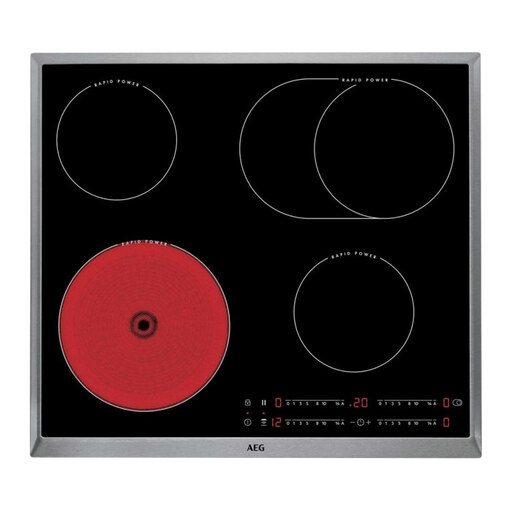
HK654850XB Series 3000 Rapid Power ceramic hob, 60 cm

HK654850XB Series 3000 Rapid Power ceramic hob, 60 cm

This ceramic hob is suitable for a kitchen that uses non-magnetic cookware.

Check the installation dimensions, power supply and ventilation requirements in the manual; residual heat means you should wait for the surface to cool after use.

View on Joybuy
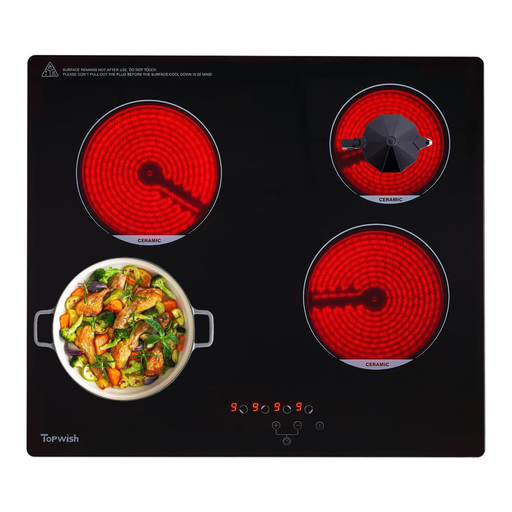
TOPWISH built-in ceramic hob, 4 zones, 60 cm, 6600 W

TOPWISH built-in ceramic hob, 4 zones, 60 cm, 6600 W

This ceramic hob could be suitable if you want to continue cooking with cookware made from a range of materials.

Before buying, confirm the power, zone specifications, connection method and compatibility with your existing cut-out in the technical specifications.

View on Joybuy

Frequently asked questions

How can I test a saucepan before switching to induction?

Place a magnet underneath the base: if it sticks, the container may be compatible. According to Electrolux, you should also check that the base is as flat and thick as possible, then consult the hob instructions for the minimum and maximum accepted diameters. The magnet test is an initial filter; final recognition depends on the zone and model.

Which cookware may not work with induction?

Aluminium, copper, brass, glass, ceramic and porcelain are generally unsuitable without a compatible base. Electrolux specifies that stainless steel only works if it has a suitable or approved base, so do not rely on the material name alone.

Does a ceramic hob allow me to keep all my saucepans?

Bosch states that ceramic hobs are compatible with all types of cookware. However, bear residual heat in mind: the surface may remain hot after the hob is switched off and continue cooking food left on the zone.

What should I check in the manual before replacing a built-in hob?

Note the appliance and cut-out dimensions, total power, voltage, connection type and installation instructions, including any ventilation requirements. These values are specific to each reference and must match both the worktop and the existing power supply.

What should I check before choosing a hob with gas?

Check the type of gas available, whether mains gas or bottled gas, along with the applicable connection requirements. Whirlpool also recommends checking for a thermocouple safety system, which cuts off the gas supply when the flame goes out.