Which needs should you prioritise?
Start with the meals you actually prepare: cooking on the hob, oven-baked dishes and reheating all call for different appliances. Then check the available space and power supply, especially if you’re considering several appliances or a built-in model.
| Need |
Points to check |
Consumers concerned |
| Cooking on the hob |
Number and layout of cooking zones; cut-out and connection requirements for the model. For induction, also check that your pans are compatible. |
When I often cook meals in a saucepan or frying pan, I want to be able to do so as soon as the appliance is installed. Around 36% of consumers put this need first. |
| Cooking in the oven |
Cabinet dimensions and required clearances; capacity and cooking modes that suit the dishes you make. |
If I regularly make gratins, bake or roast, oven capacity is more important than reheating functions. This is a priority for around 29% of consumers. |
| Reheating and defrosting |
Type of microwave — solo, grill or combination — and the space needed for the appliance and its ventilation. |
For reheating portions and preparing simple dishes, I first look for an appliance suited to those tasks, rather than mistaking it for a hob. Around 21% of consumers prioritise this use. |
| Kitchen compatibility |
Measurements of the worktop or cabinet space; power supply and installation requirements for the exact model. |
When limited space or the electrical installation restricts my options, I need to work out what can be freestanding or built in before choosing features. Compatibility comes first for around 14% of consumers. |
Brands to consider by appliance type
These examples show what information to look for on a product page and in the instructions. The dimensions and features listed apply to each specific model, not to every appliance made by that brand.
Electrolux
A brand to consider if you’re looking for a built-in induction hob and need to check its cut-out dimensions.
- For the KIB60420CK, Electrolux gives a maximum power rating of 6 900 W, overall dimensions of 590 × 520 mm and a cut-out of 560 × 490 mm.
- These measurements don’t apply to other hobs. Check the instructions, clearances and connection requirements for the model you’re considering.
Bosch
A brand to consider for a built-in oven when you need to compare its dimensions carefully with an existing cabinet.
- Bosch gives the HBA4340B3 oven’s dimensions as 595 × 594 × 548 mm.
- The appliance’s size alone doesn’t confirm that it will fit. Also check the cabinet space and ventilation requirements in the instructions.
Whirlpool
A brand to consider for multifunction built-in ovens if you cook in the oven often and want to compare cleaning options.
- Whirlpool describes the WOI4S8CM0SBAF as a 73 L oven with fan-assisted cooking, three-level cooking and catalytic cleaning.
- The features and dimensions of this model don’t necessarily apply to other Whirlpool ovens. You’ll still need to check that your cabinet is compatible.
Samsung
A brand to consider when comparing solo, grill and combination microwaves before deciding where to put yours.
- Samsung describes the MS23T5018AK as a 23 L solo microwave. Compare its dimensions with your dishes and the space available.
- Solo and combination models aren’t suited to the same types of cooking. Check the features and placement instructions for the appliance you choose.
Appliances to equip your kitchen
These options cover three uses discussed in this article: cooking on a hob, cooking in the oven, and reheating or preparing specific dishes in a microwave. Choose based on the meals you make, then check that the model you’ve picked suits your kitchen’s space and power supply.
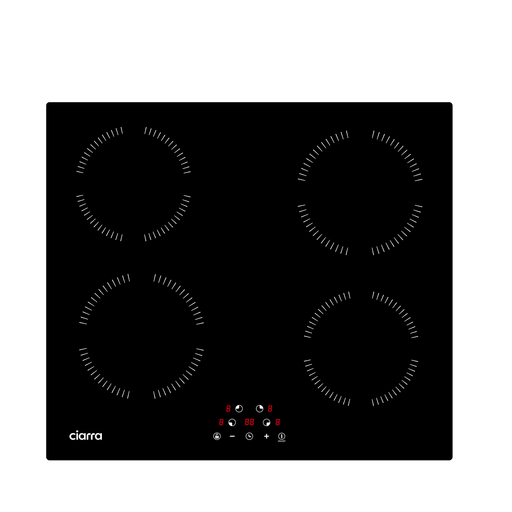 Image unavailable
CIARRA CABBIH4-A, built-in induction hob
Worth considering if you regularly cook meals in a frying pan or saucepan. This model is listed with 4 zones and 9 power levels. Check that your pans are suitable for induction cooking.
Before buying, check the cut-out, ventilation and connection instructions in the manual against your installation.
View on Joybuy
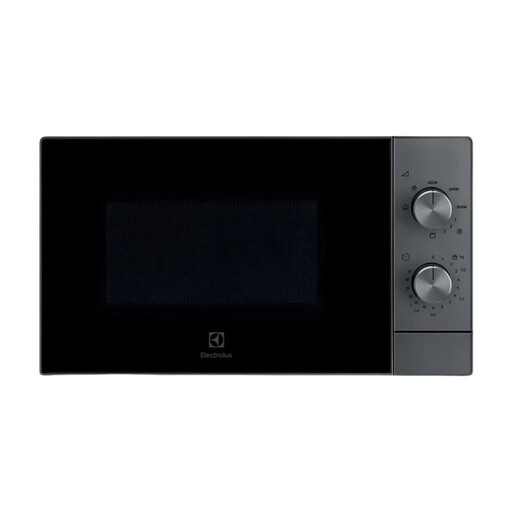 Image unavailable
Electrolux EMZ421MMTI, 21 L freestanding microwave
For reheating, defrosting or specific types of cooking if you have room for an appliance on your worktop. The model name indicates a capacity of 21 L and a microwave power rating of 800 W.
Allow the ventilation space specified for this appliance: at least 10 cm on each side and 20 cm above. Check its supply voltage on the rating plate.
View on Joybuy
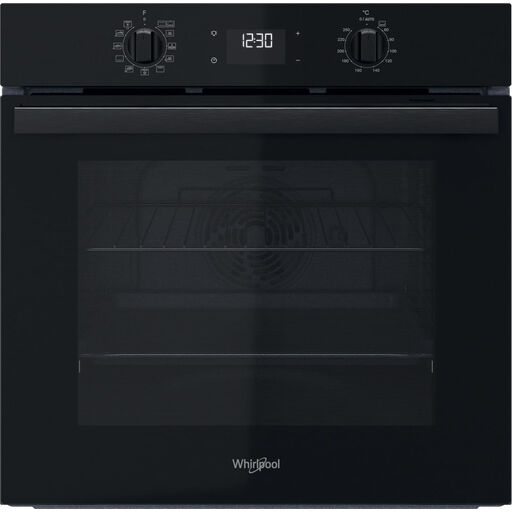 Image unavailable
Whirlpool OMR58CR1B, 71 L built-in oven
Worth considering if you regularly cook meals in the oven. This model is described as a 71 L multifunction oven with catalytic cleaning and an A+ energy rating.
Measure the cabinet space and check the instructions for the required clearances and electrical specifications before choosing this oven for an existing unit.
View on Joybuy
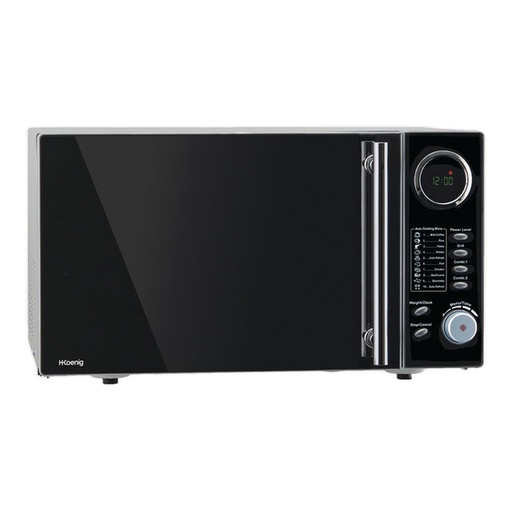 Image unavailable
Hkoenig VIO9, 25 L freestanding microwave
An option for reheating and defrosting if you’d like to place a microwave on your worktop. The capacity given in its name is 25 L.
Check that there’s enough space around it for the ventilation clearances specified in the instructions. A microwave won’t replace a hob for cooking in a frying pan or saucepan.
View on Joybuy
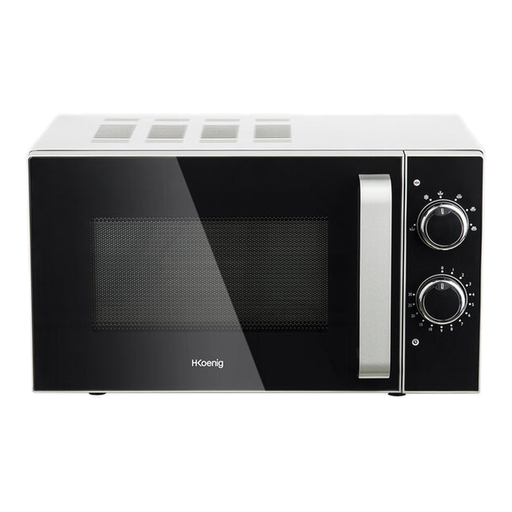 Image unavailable
Hkoenig VIO4, 20 L freestanding microwave
Worth considering if your main need is to reheat or defrost portions in a kitchen where space is limited. This model is listed with a capacity of 20 L and a microwave power rating of 700 W.
Measure the available surface and check the instructions for ventilation clearances. If you want to brown dishes, check the functions of the model you choose rather than assuming it can do so based on its capacity.
View on Joybuy
Frequently asked questions
Can I plug an induction hob into a standard kitchen socket?
Don’t assume that you can. For the hob installation it describes, Promotelec specifies a dedicated circuit with its own protective device and a 32 A connection with 6 mm² conductors. Ask a qualified professional to compare your existing installation with the requirements in the instructions. A socket nearby doesn’t confirm that it’s suitable.
What should I measure before buying a built-in appliance?
Measure both the available space and the dimensions required in the instructions for the model. The advertised width isn’t enough: for example, Electrolux gives the KIB60420CK hob’s overall dimensions as 590 × 520 mm, but specifies a cut-out of 560 × 490 mm. For an oven, also check the cabinet depth and required clearances.
Can a microwave be enough straight after moving in?
Yes, if you mainly plan to reheat, defrost and prepare simple dishes. Samsung distinguishes solo models from grill and combination models according to the types of cooking you need. If you often need a frying pan, saucepan or oven, choose an appliance that’s suited to those uses too.
How should I factor electricity use into my choice?
First compare how often you’ll use each appliance and which functions you need, rather than comparing annual figures for different categories alone. ADEME’s energy-use figures are based on usage assumptions and don’t predict your household’s consumption. Also check the power ratings of appliances you might use at the same time: the Médiateur national de l’énergie notes that your contracted power capacity limits what you can run simultaneously.


