Households replacing a hob
If you mainly cook in pots and pans, compare the new hob with the cut-out in your worktop, your cookware and the electrical specifications given for the model.


When replacing an electric cooking appliance, start with the meals you prepare. A hob is for cooking in pots and pans, an oven cooks food inside a cavity, while a microwave is mainly for reheating and defrosting. When choosing between induction and ceramic, your cookware’s compatibility can make all the difference. Whatever you choose, check the dimensions, installation type and electrical specifications before buying.
If you mainly cook in pots and pans, compare the new hob with the cut-out in your worktop, your cookware and the electrical specifications given for the model.
For dishes cooked inside an oven cavity, choose the capacity and functions to suit the food you prepare, then check the oven’s installation dimensions against your kitchen.
If you mainly reheat, defrost or prepare simple dishes, decide between a freestanding and built-in microwave, then check the capacity and whether a grill or combination mode would be useful.
First, decide whether you need a hob, an oven or mainly a microwave. If you’re replacing an appliance in an existing kitchen, rule out any models whose installation type, dimensions or electrical specifications aren’t suitable.
| Criteria | What to check | Relevant to |
|---|---|---|
| Suitability for your kitchen | Measure the housing or cut-out and compare it with the model’s diagram; also check its electrical specifications. | If I’m keeping my kitchen as it is, I want to know whether the new appliance will fit and can be connected as intended. Around 36% of consumers prioritise this. |
| Hob cooking | For induction, check that your cookware is magnetic; for any hob, look at the number and size of the cooking zones. | If I mainly cook meals in a pan or pot, the hob type needs to suit my cookware and the way I cook. Around 29% of consumers prioritise this. |
| Oven cooking | Match the usable capacity and cooking modes to the dishes you usually make; when comparing similar ovens, check the energy label information. | If I regularly cook dishes in an oven cavity, I need a suitable capacity rather than an appliance designed mainly for reheating. Around 21% of consumers put oven cooking first. |
| Reheating and available space | Choose between freestanding and built-in, then check the capacity and whether you need standard, grill or combination functions. | If I mostly reheat or defrost, I’m looking for an appliance that fits the available space. Reheating and size are priorities for around 14% of consumers. |
To compare energy use, consider similar capacities and the same type of usage. The annual energy consumption figures published by ADEME are based on different usage patterns for different appliances, so they don’t rank the four options for preparing the same dish. The European Commission’s guide explains that the energy label for ovens doesn’t cover hobs.
An induction hob requires magnetic cookware, as Bosch points out. This means some cookware you already own may not be suitable.
Check the markings on your pots and pans, or test the base with a magnet before choosing an induction hob.
Keeping this type of hob may mean replacing any incompatible cookware.
Two appliances that look similar don’t necessarily need the same housing or electrical specifications. The dimensions published by Electrolux for its built-in EOF4P46BK and CMS4253EMX models are different.
Measure the existing space, then compare it with the installation diagram and electrical details for the exact model. If necessary, ask a qualified person to check the connection.
ADEME’s annual figures are based on different usage patterns and numbers of cycles, so they don’t compare how each appliance cooks the same dish.
When comparing ovens, look at their capacity, cooking modes and standardised energy label information, rather than comparing category averages alone.
The European energy labelling framework for ovens doesn’t cover hobs. It also excludes ovens with a microwave heating function.
For a hob or microwave, refer to the model’s specifications and documentation; don’t assign it the energy rating of a conventional oven.
Bosch’s induction and ceramic hobs offer different configurations to compare when fitting out an existing kitchen.
Electrolux’s product specifications for built-in ovens and microwaves give you useful points of comparison when checking installation requirements.
Whirlpool offers freestanding microwaves, as well as models with grill or combination functions.
These models include induction and ceramic hobs for cooking on the worktop, as well as a freestanding microwave for reheating and other preparations supported by its functions. Choose the type of appliance first, then check the installation requirements for the model you’re considering.
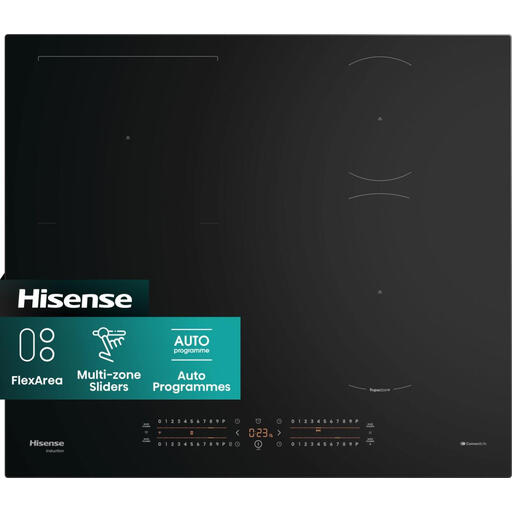 Image unavailable
Worth considering if you’re replacing a hob for everyday cooking and your cookware is suitable for induction. Before choosing, compare the model’s dimensions and connection requirements with your kitchen.
 Image unavailable
This hob may suit you if you need several cooking zones and your cookware is induction-compatible. The product title lists four zones, a timer and a child lock; check the cut-out and connection requirements in the model’s documentation.
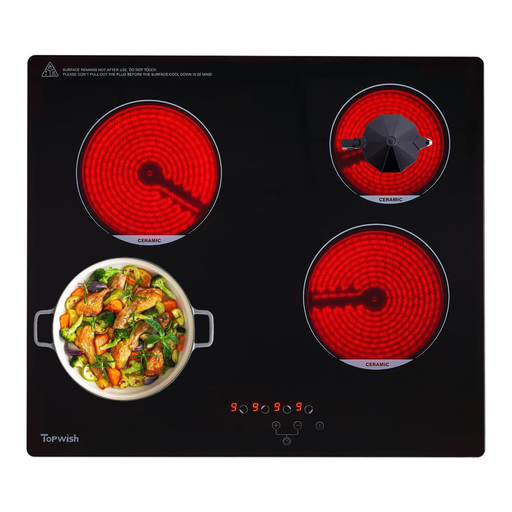 Image unavailable
This option lets you replace a hob without the magnetic cookware requirement that comes with induction. The product title lists four zones and a residual heat indicator; check the cut-out and confirm the electrical specifications before ordering.
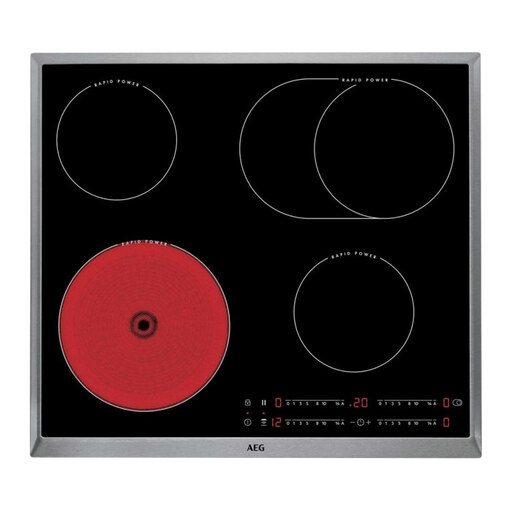 Image unavailable
Worth a look if you want to continue cooking on a ceramic hob. Before replacing a built-in hob, compare this model’s installation dimensions and electrical specifications with those of your kitchen.
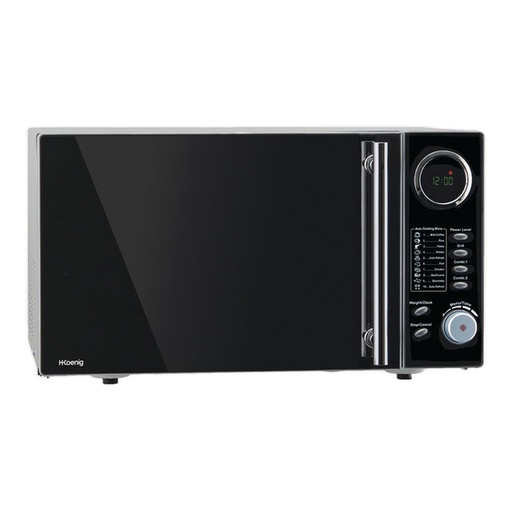 Image unavailable
Consider this if you mainly need to reheat or defrost food, rather than replace all the cooking functions of an oven. It has a stated capacity of 25 L; place it on a stable surface and follow the clearance requirements in the instructions.
Not as if they all cook in the same way. ADEME’s annual figures are based on usage patterns specific to each category. When choosing between appliances, start with the food you prepare, then compare models and usage conditions that are sufficiently similar.
No. The European energy labelling framework applies to domestic electric ovens, among other appliances, but excludes those with a microwave heating function. The European Commission’s guide explains that hobs aren’t covered by the oven energy label. Check which documents apply to the category of the model you choose.
Measure the housing or cut-out and compare it with the installation diagram for the exact model, then check the electrical details provided by the manufacturer. A similar front width doesn’t guarantee the same fit or connection. If needed, ask a qualified person for advice.
Yes, if the base of your cookware is suitable for induction. Bosch says this technology requires magnetic cookware, so check the markings or test the base with a magnet before deciding.
In France, you can invoke the legal guarantee of conformity if goods don’t conform to their description. The Ministry of the Economy states that the period is two years for both new and second-hand goods. Keep your proof of purchase and contact the seller, explaining the problem and giving the relevant model reference.