Households that cook on the hob often
For saucepans and frying pans, your choice depends on the heating technology, cookware compatibility and installation requirements.


Start by choosing the appliance that suits the meals you usually make: a hob for saucepans and frying pans, an oven for dishes that need baking, or a microwave for reheating, defrosting and cooking foods suited to it. Then compare consumption figures based on the same usage, as well as the space, connection requirements and cookware needed. For relevant ovens, check the energy label too. ADEME’s published annual averages are useful benchmarks, not a prediction of your energy bill.
For saucepans and frying pans, your choice depends on the heating technology, cookware compatibility and installation requirements.
The right oven capacity and the cooking modes your recipes need matter just as much as the consumption figure for the mode you use.
A solo microwave may be suitable for reheating and defrosting; other types of cooking depend on the model’s features.
Start with the meals you prepare, then compare only appliances that can make them. As a benchmark, ADEME gives figures of 115 kWh/year for its most efficient new induction hobs and 200 kWh/year for its ceramic hob reference, based on 409 cycles a year. Its reference for a 63-litre electric oven is 130 kWh/year over 187 cycles. The same page gives a figure of 40 kWh/year for a microwave, but does not specify a comparable number of cycles. These figures do not tell you how much energy one meal takes to cook, or how much you could personally save.
| What matters to you | What to check | Who prioritises it most |
|---|---|---|
| Frequent hob cooking | Heating technology, compatible cookware and the basis used to compare consumption. | When I often cook with a frying pan or saucepan, I want to compare consumption using a consistent measure of usage; around 31% of consumers prioritise the electricity their hob uses. |
| Dishes that need baking | Capacity, conventional or fan-assisted modes, housing dimensions and kWh per cycle for the same mode. | If my recipes need a particular oven capacity and mode, I check these features before looking at consumption; around 31% of consumers prioritise dishes that need baking. |
| Reheating and defrosting | Solo, grill or combination functions, capacity and suitable containers. | For reheating portions or defrosting food, I look for an appliance that suits these tasks without assuming it can replace an oven; around 23% of consumers prioritise these uses. |
| Compatibility and installation | Cookware compatibility, cut-out or housing dimensions, and the model’s connection requirements. | If I want to keep using my saucepans or replace a built-in appliance without changing my kitchen, I check the dimensions and connection requirements; around 15% of consumers put these practical considerations first. |
ADEME’s benchmarks are based on different numbers of cycles for different appliances, so they do not let you directly compare the energy needed to cook the same recipe.
Decide what you want to cook and the result you’re looking for, then compare consumption figures based on consistent usage.
An induction hob can also have a ceramic glass surface, but its heating method and cookware compatibility are different.
Check the technology listed for the model and make sure your saucepans are compatible before choosing.
If your cookware isn’t suitable for induction, you may need to replace it to keep using it on your new hob.
Solo, grill and combination models don’t offer the same functions; a solo microwave isn’t a convection oven.
Make a list of the recipes you plan to cook and check the functions available on the exact model you’re considering.
Cut-out or housing dimensions and connection requirements can vary between models, even if the advertised width seems suitable.
Before buying, compare your installation measurements with the model’s dimensions and connection requirements.
Depending on the dimensions and connection requirements, you may also need to adapt the cabinetry or installation when replacing the appliance.
The French-market PUC611AA5E is a useful induction hob reference for cooking on the hob.
The AKT8090NE-NEW ceramic hob is a useful reference if you want to keep cooking on radiant zones.
The EOF3H40TH built-in oven is a useful reference for recipes that need an oven cavity.
The MS23K3513AK/EF is a freestanding solo microwave designed for tasks such as reheating and defrosting.
The MJ3965ACS is a useful combination microwave reference if you need more than one cooking mode.
The models below suit different household needs: cooking on the hob, preparing dishes that need an oven, and reheating or cooking food in a microwave.
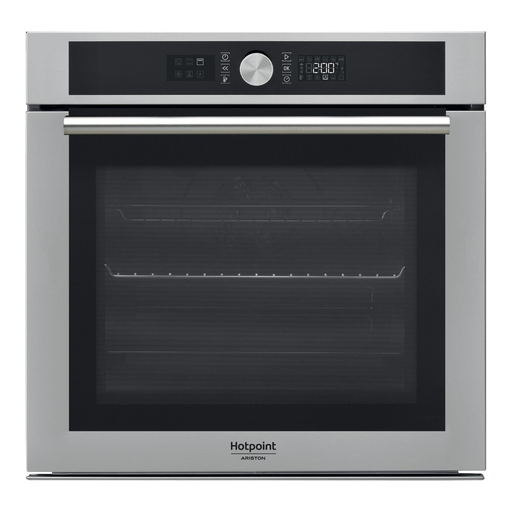 Image unavailable
For dishes that need an oven cavity and a choice of cooking modes.
Advertised capacity: 71 L; 16 modes and an A+ rating listed for this model. Make sure a professional carries out the built-in installation correctly.
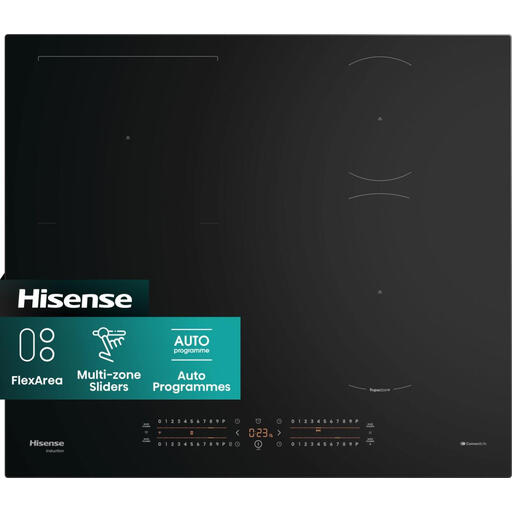 Image unavailable
For cooking on the hob, provided your cookware is induction-compatible.
Four zones and a Bridge function are listed. Check that this model’s housing dimensions and connection requirements are suitable for your installation.
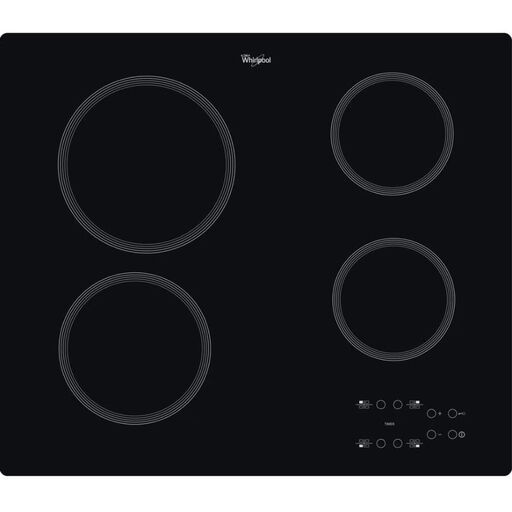 Image unavailable
For cooking on radiant zones, especially if you want to keep using cookware suited to this type of heating.
Four radiant zones are listed. The hob needs a fixed connection, which must be carried out by a qualified electrician; the specified cut-out size is 560 × 490 mm.
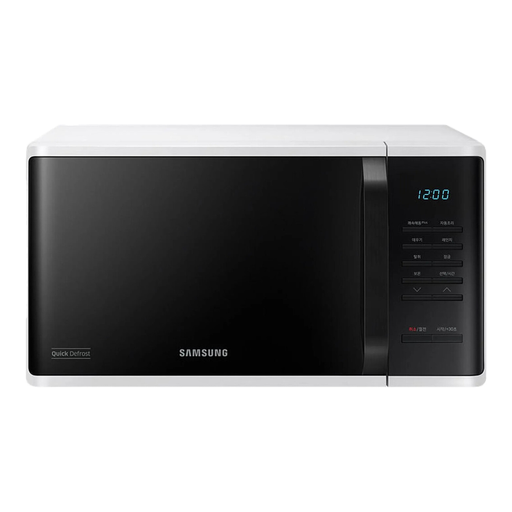 Image unavailable
For reheating or defrosting portions when the functions of a solo model are all you need.
Advertised capacity: 23 L; the product name lists a power rating of 1 150 W. This solo model does not have a grill or convection function.
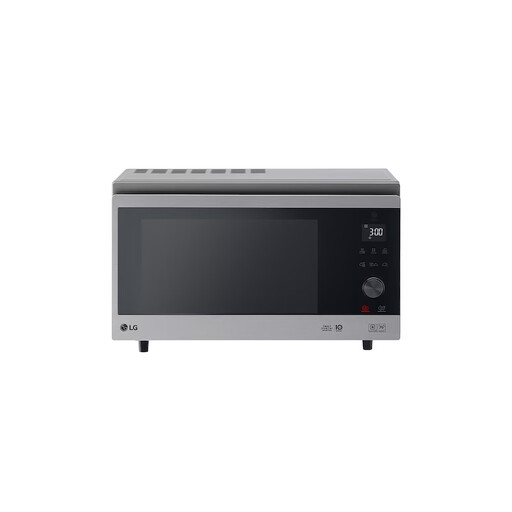 Image unavailable
Worth considering if you need a combination microwave rather than a solo model.
Advertised capacity: 39 L; microwave, grill, convection and steam functions are listed for this model.
Not when you’re comparing appliances used to cook the same recipe. ADEME gives figures of 409 cycles a year for its hob references and 187 for its 63 L electric oven, while its microwave reference doesn’t specify a comparable number of cycles. For ovens suited to the same uses, compare the kWh per cycle in the same mode.
Compare the cut-out or housing dimensions and connection requirements listed for the model with your existing installation. For induction, also check that your cookware is compatible; the dimensions and specifications of one model don’t apply to an entire range.
No. The European Commission says energy labelling is required for the domestic ovens concerned, but not for hobs. When comparing ovens suited to the same recipes, look at their capacity and kWh per cycle for each listed mode.
Follow the food manufacturer’s instructions for power and cooking time, and check that the container is microwave-safe. Anses says that heating food thoroughly increases the risk of substances migrating from certain types of packaging.
According to the Ministry of the Economy and Finance, the legal guarantee of conformity applies to new, second-hand or refurbished goods sold by a trader to a private individual. It is separate from an optional commercial warranty.