Households that often cook on the hob
If you regularly cook with a frying pan or saucepan, compare induction and ceramic hobs, taking into account your cookware, the existing connection and how many zones you’ll use.


Start by choosing appliances to suit the dishes you cook. A hob is ideal for frying and saucepan cooking, while an oven and a microwave don’t serve the same purpose for every recipe. To avoid buying more appliances than you need or heating an unnecessarily large one, consider portion sizes and how often you’ll use each appliance, alongside its dimensions, comparable energy data and installation requirements. A combination oven can bring several functions together, but a study by the French National Consumer Institute, cited by ADEME, found no general energy advantage for combination ovens.
If you regularly cook with a frying pan or saucepan, compare induction and ceramic hobs, taking into account your cookware, the existing connection and how many zones you’ll use.
If you often reheat or defrost small portions, work out which dishes really need the oven. ADEME recommends considering the hob or microwave when they’re suitable for the preparation.
If space is tight, check that a combination appliance covers both your oven and microwave needs, then compare its dimensions with those of the cabinet.
Start with the meals the appliance will need to prepare, then check the installation requirements and the relevant information to compare models with the same function.
| What matters | What to check | Consumers concerned |
|---|---|---|
| Meals and portions | List the dishes you cook on the hob, those that need an oven and the small portions you reheat. Compare only appliances that can prepare those meals. | If I mostly prepare small portions, I want to avoid switching on the oven when another cooking method suits the dish. Around 31% of consumers put matching appliances to their meals first. |
| Installation | Check the model’s instructions against your home’s circuit, connection and built-in dimensions. If in doubt, have the installation checked. | When moving into a new home, I don’t want to choose a hob or oven before finding out whether it can be installed in the space provided. This is the main consideration for around 31% of consumers. |
| Space and functions | For a combination appliance, measure the space and check the usable capacity, as well as which functions you’ll actually use. | In a small kitchen, I want to combine oven and microwave functions without giving up the dishes I like to cook. Around 23% of consumers prioritise having these functions together. |
| Energy use and lifespan | Compare energy data for models with the same function and a similar capacity. Where available, check information on repairability and durability. | When choosing between two comparable appliances, I want to look at their energy data and any useful information about using them over time. This is the top consideration for around 15% of consumers. |
A wattage rating on its own doesn’t tell you how much electricity an appliance will use to prepare a meal. ADEME also highlights the importance of the dish and cooking method: its example compares 500 g of potatoes cooked in an oven and in a frying pan on an induction hob, but it doesn’t set a rule for every recipe.
A new hob won’t necessarily be compatible with the circuit used by your old one. Legrand says that the built-in hobs concerned need a dedicated circuit and suitable protection. An unsuitable connection could create a risk of overheating.
Check the appliance specifications and the existing connection. If you can’t confirm they’re compatible from the instructions, ask a qualified professional to check before placing your order.
Induction requires magnetic cookware. Beko says that non-magnetic aluminium, glass and copper cookware isn’t suitable for this type of hob.
Check the base of your cookware with a magnet or look for a compatibility mark before choosing induction.
You’ll need to replace any incompatible cookware if you want to keep preparing the same dishes.
A study by the French National Consumer Institute, cited by ADEME, found results varied depending on the dishes, models and brands. It found no general energy advantage for combination ovens over the convection ovens studied.
Choose a combination appliance if both its oven and microwave functions suit your meals and the space available. Then compare the data for the models you’re considering.
They may meet some of the same needs, but they can’t all replicate one another’s cooking methods. An appliance suited to reheating one portion won’t necessarily replace an oven for your other dishes.
List the dishes that need to be cooked in an oven, those you prepare in a frying pan or saucepan, and those you only need to reheat.
These examples can help you explore different appliance types and specific model specifications. Their features shouldn’t be assumed to apply to an entire brand.
If you’re looking at an induction hob with flexible cooking zones, Bosch describes a FlexInduction function and a 28 cm zone on the PXE831HC1E.
If you’re looking at a built-in ceramic hob, the Beko HIC64100 specifications list four cooking zones and a stated total power of 5 800 W.
For a compact space, Electrolux lists built-in dimensions of 450 × 560 × 550 mm and a usable capacity of 44 L for the KVLAE2XH combination microwave oven.
If you’re comparing the functions of built-in combination appliances, the Whirlpool WCT11A9FHTSSMAF specifications list a capacity of 52 L and microwave power of 950 W.
Miele France features built-in ovens that combine microwave and oven-style cooking modes, worth exploring if you’d like to bring these functions together.
These appliances cover microwave cooking, combination cooking and hob cooking, with induction and ceramic options. First choose the function that suits your meals, then check the space available and the installation requirements for each model.
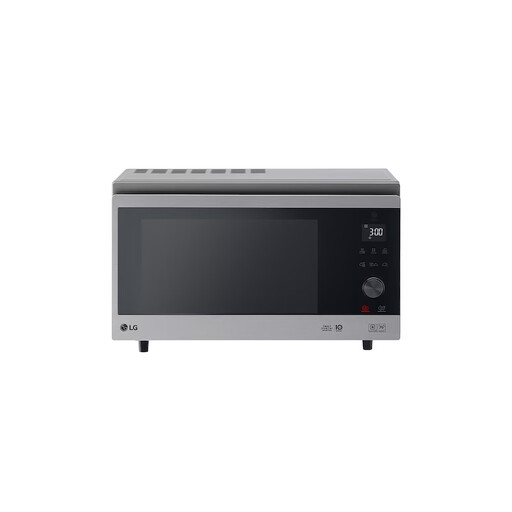 Image unavailable
Worth considering if you want one appliance for microwave cooking and oven-style cooking. Its stated capacity is 39 L; check the dimensions and cooking modes you need for your dishes. Its combination design doesn’t, by itself, mean it will use less electricity.
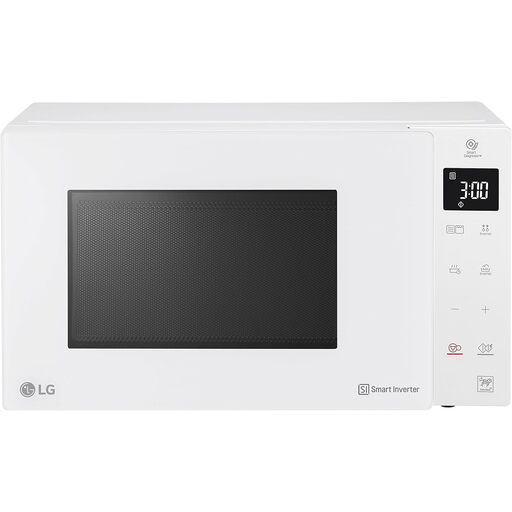 Image unavailable
Worth comparing if reheating and preparing small dishes are your main needs. This 25 L model includes a grill; check that its capacity and dimensions suit the space available.
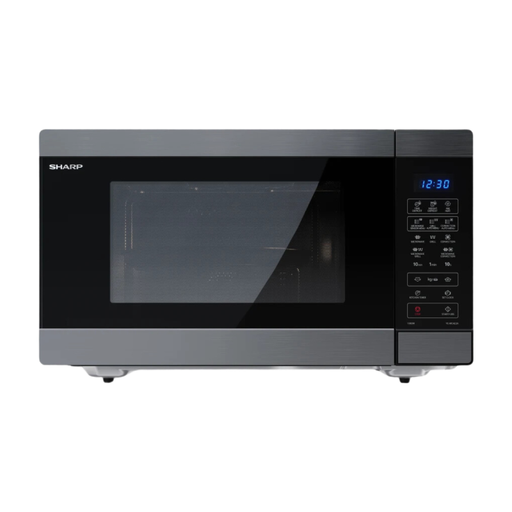 Image unavailable
Consider this if you’re looking for a combination appliance with a stated capacity of 42 L. Compare its dimensions with the space available and its cooking modes with the dishes you plan to prepare. The “3-in-1” description alone doesn’t tell you how much energy it uses per cooking session.
 Image unavailable
Worth comparing if you often cook with a frying pan or saucepan and would use all four zones. Before choosing this hob, check that your cookware has magnetic bases, along with the built-in dimensions and the connection required in the instructions.
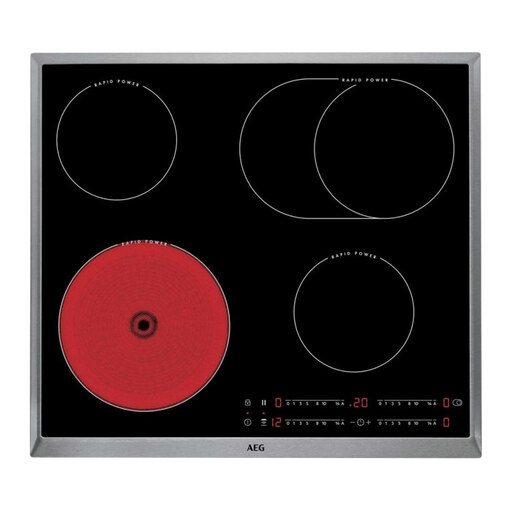 Image unavailable
Worth considering for hob cooking if you’re looking at ceramic rather than induction. It’s listed as 60 cm wide; check the worktop cut-out and make sure the circuit is compatible with the model’s instructions.
Check the circuit before buying a built-in induction or ceramic hob. Legrand says these installations need a dedicated circuit and suitable protection. Compare the existing connection specifications with the model’s instructions, and ask a qualified professional to check if you’re unsure.
Only cookware with a base suitable for induction will work. Beko says that non-magnetic aluminium, glass and copper cookware isn’t compatible; check the manufacturer’s information or test the base with a magnet.
Not always. A study by the French National Consumer Institute, cited by ADEME, looked at four combination ovens and ten convection ovens. It found that efficiency varied depending on the dishes, models and brands, with no general advantage for combination ovens. Compare the functions and relevant energy data for the dishes you prepare.
Check the space dimensions, connection and clearances specified in the model’s instructions. Before ordering, also check what’s included in the delivery, installation and old-appliance collection services on offer. Don’t assume they’re included.