Replacing your everyday hob
You mostly prepare meals in a saucepan or frying pan and are comparing induction with a ceramic hob. Also think about the cookware you own and your kitchen’s electrical connection.


Start by choosing an appliance based on what you need: a hob for cooking in a pan or saucepan, an oven for baking dishes, or a microwave for reheating and defrosting. For a hob, check that your cookware is compatible and that it suits your existing power supply. For an appliance with a cavity, consider the dishes you usually cook, the functions you need and the space available. Reference energy figures don’t guarantee a lower bill.
You mostly prepare meals in a saucepan or frying pan and are comparing induction with a ceramic hob. Also think about the cookware you own and your kitchen’s electrical connection.
You cook dishes in the oven and are looking for a capacity, cooking functions and accessories suited to the meals you usually make.
You’re considering a microwave to reheat or defrost food, and need to check that its cavity and position will work in your kitchen.
ADEME’s reference figures vary by appliance and scenario. For hobs, they indicate 200 kWh/year for the average ceramic hob and 115 kWh/year for the most efficient new induction appliances, based on 409 cycles a year. These aren’t comparative measurements of two models or a forecast for your household.
| What matters | What to check before buying | Shoppers this matters to |
|---|---|---|
| Energy use that suits how you’ll use it | Compare appliances and usage scenarios like for like. For ovens, ADEME’s figures are based on a 63 L capacity and 187 cycles a year: 130 kWh/year on average, compared with 100 kWh/year for the most efficient new A++ appliances. Its reference figure for microwaves is 40 kWh/year, with no detailed usage frequency provided. | If I want to choose a function that’s useful for my meals rather than rely on a general claim, I look at the conditions behind each figure. Around 33% of consumers prioritise the energy efficiency of their choice. |
| Compatibility with your existing kitchen | For induction, check that your cookware is magnetic and consult the instructions for the electrical connection. Also check the cut-out dimensions or the space available for the appliance. | If I want to keep my saucepans, kitchen units and existing power supply, I check that they’re compatible with the model I’m considering. Around 27% of consumers make compatibility their priority. |
| Recipes and capacity | Check the internal dimensions, turntable diameter, functions you’ll use and accessories actually included. The stated capacity in litres isn’t enough to confirm that a dish will fit. | If I make recipes that need dishes or portions of a specific size, I compare their dimensions with those of the appliance. Around 20% of consumers put recipes and capacity first. |
| Total cost and aftercare | Check which accessories are included and which are optional, as well as the terms that apply to any repair or warranty. | If I want to plan for additional costs and know what options to consider if something breaks down, I check the accessories and aftercare terms. Around 20% of consumers prioritise total cost and aftercare options. |
Microwave cooking power and energy use expressed in kWh/year don’t measure the same thing. Panasonic lists a microwave cooking power of 800 W for the NN-E20JW; this figure isn’t a measure of electricity consumption.
Before comparing figures, check their units and the usage conditions they relate to.
Bosch says that both induction and electric hobs can have a ceramic glass surface. Looking only at the surface material could therefore lead you to choose a heating technology that doesn’t suit the cookware you have.
Check the heating technology in the model’s product details, then make sure your saucepans are compatible.
A study by ADEME/INC covering 14 models found that efficiency varied by dish and model, with no clear overall energy advantage for the combination ovens studied.
Choose the functions that suit your recipes and check separately which accessories are included or available as optional extras.
A combination oven or optional accessories can add to your costs without meeting an additional need.
Induction requires magnetic cookware. The connection also depends on the type of hob: a portable hob with a plug and a built-in hob may have different requirements.
Take stock of your cookware and check the model’s instructions to find out what kind of connection it needs.
Switching to induction may mean replacing incompatible cookware.
The range includes induction and electric hobs. The PUE611BB5E is one example, featuring Touch Select controls and a timer with automatic shut-off, according to Bosch France.
The brand offers ceramic hobs and built-in ovens. The EOF4P46X is a documented example of a 72 L oven with an A+ rating, fan cooking and pyrolytic cleaning.
The NN-E20JW is an example of a 20 L solo microwave with mechanical controls, to consider for reheating and defrosting.
The products below include additional microwaves and built-in ovens for cooking in an oven cavity. For each model, check that the stated dimensions and functions suit your kitchen and how you cook.
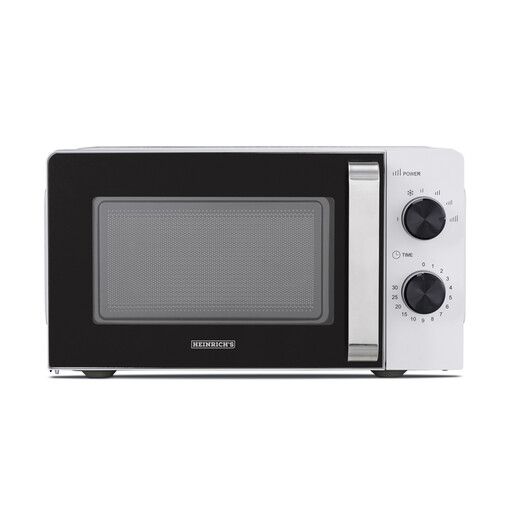 Image unavailable
For reheating or defrosting in a kitchen where a 20 L model is a good fit.
Stated capacity: 20 L; power: 700 W; turntable: 9.6 inches; six power levels and a 30-minute timer. Only use microwave-safe containers; the product description excludes metal utensils.
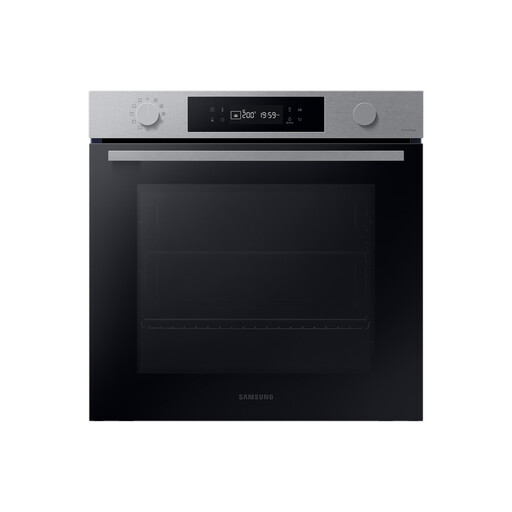 Image unavailable
Worth considering if you’re looking for a built-in oven listed with several cooking functions; check that you have enough space to install it.
Stated capacity: 76 L; A+ rating; stainless steel finish.
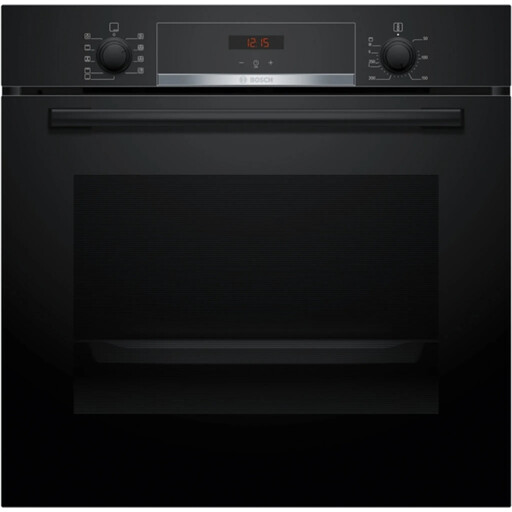 Image unavailable
Worth a look for recipes that need oven cooking and the hot-air function mentioned in the model name; check that it will fit in your kitchen.
Stated capacity: 71 L; 3D hot air; stainless steel finish.
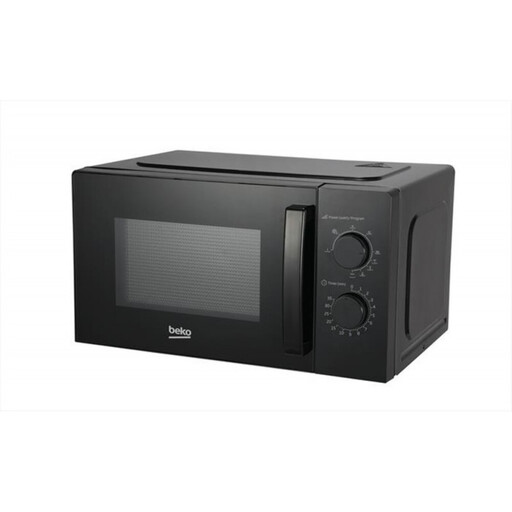 Image unavailable
Worth considering if you’re looking for an additional microwave with a grill; check that its functions suit the way you’ll use it.
Stated capacity: 20 L; microwave power: 700 W. Only use microwave-safe containers; the product description excludes metal containers.
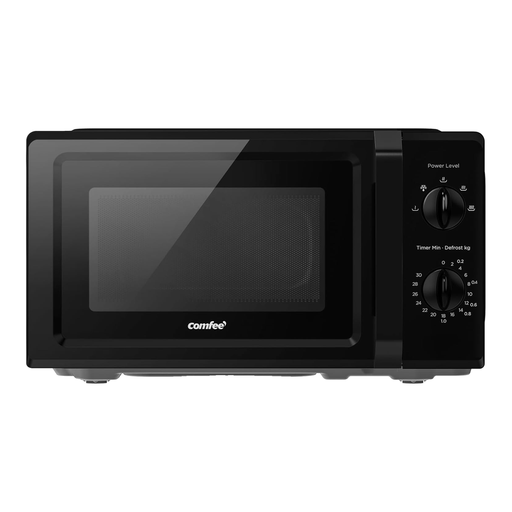 Image unavailable
Worth considering for reheating or defrosting small portions, if a 19 L capacity and a 245 mm turntable suit your containers.
Stated power: 700 W; five power levels; 30-minute timer. The product description excludes metal containers.
No, requirements can vary depending on the type of hob. Legrand distinguishes between portable models with a plug and built-in hobs with a cable, and says the latter need either a cable outlet or a 32 A socket, depending on the model. Check the instructions and your existing power supply; this guide doesn’t provide connection instructions. The Bosch instructions consulted state that an appliance without a plug must be connected by a qualified professional.
ADEME presents them for specific usage conditions and appliance categories; they don’t predict your household’s energy use. Pay particular attention to the reference usage frequency and volume. Annual figures for ovens and microwaves relate to different tasks and can’t be used to calculate your personal savings.
No, not by itself: the European Commission says that hobs aren’t required to have an energy label. Domestic ovens covered by the rules do have one. So don’t apply an oven’s energy rating to a hob.
No. For films and bags, the DGCCRF recommends checking the labelling. If there’s no clear statement that they’re suitable for microwave use, don’t use them that way. Also follow the instructions for the container and the appliance.
If you bought from a trader, you can look into the legal guarantee of conformity: according to Service Public, the fault must appear within two years of the goods being delivered. Outside the guarantee, the repair bonus may apply to certain eligible products repaired by a certified repairer; it isn’t automatically available for every fault.