Which factors should you prioritise?
First decide whether you mainly need to cook on a hob, cook in an oven or reheat food. Installation requirements and the size of your dishes will then help you choose between different formats.
| What matters |
What to check |
Which consumers? |
| Installation and cookware |
For an induction hob, check the base of your cookware, the cut-out and the connection requirements for the model you’ve chosen. |
If I’m replacing a hob, I want to keep using suitable cookware and an existing installation without discovering an incompatibility after buying. Around 31% of consumers prioritise this compatibility. |
| Space and usable size |
Measure the housing unit or worktop, then check the size of the dishes the oven or microwave can accommodate. |
In a small kitchen without a suitable housing unit, I need an appliance that fits while still accommodating the dishes I usually use. Space is the top priority for around 25% of consumers. |
| Types of cooking |
Think about the meals you usually prepare, then compare the cooking zones or functions each appliance actually offers. |
If I switch between frying, oven-cooked meals and reheating, my first priority is covering the types of cooking I do regularly. Around 25% of consumers put this variety of uses first. |
| Energy use and cleaning |
Compare an oven’s energy consumption using the same mode and cycle, and check how it needs to be cleaned. |
If I use my appliance often, I want to understand how much energy it uses and what cleaning it requires. This is the priority for around 19% of consumers. |
Appliances available on Joybuy
This selection includes built-in electric hobs and a built-in oven for cooking meals, as well as a freestanding microwave for additional uses.
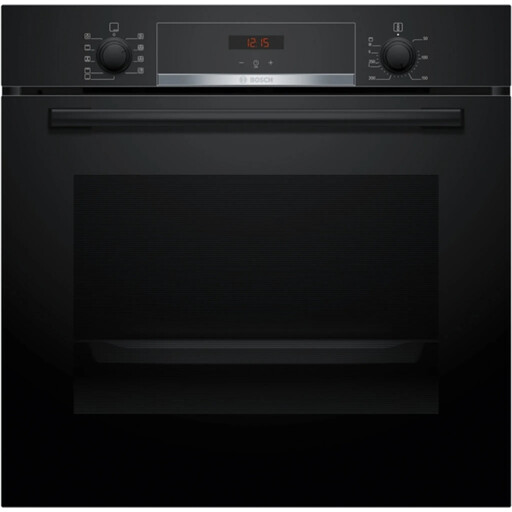 Image unavailable
Bosch HBA514BB3, 71 L built-in oven
Worth considering if you have a suitable housing unit and want an oven dedicated to cooking meals. Its stated capacity is 71 L.
The title and description differ on the number of compartments. Confirm the configuration, then check the housing unit dimensions and connection requirements before buying.
View on Joybuy
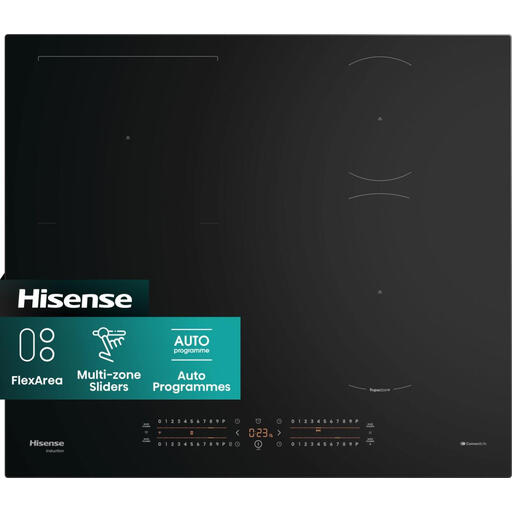 Image unavailable
Hisense HI6432BSCWF Hi6, 60 cm induction hob
An option for hob cooking if your cookware is induction-compatible and your kitchen can accommodate this 60 cm built-in model.
Check the cut-out, connection and ventilation clearances against the instructions. The stated width alone isn’t enough to confirm it will fit.
View on Joybuy
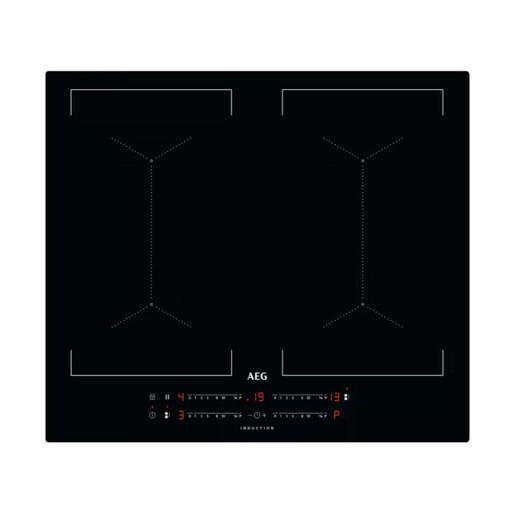 Image unavailable
AEG IKS64453IB, 60 cm induction hob with four zones
Worth considering if you cook on several zones or use large pans: this model’s title lists four zones and a Bridge function.
Check that your cookware is compatible, and make sure the cut-out dimensions, connection and ventilation meet the requirements in the instructions.
View on Joybuy
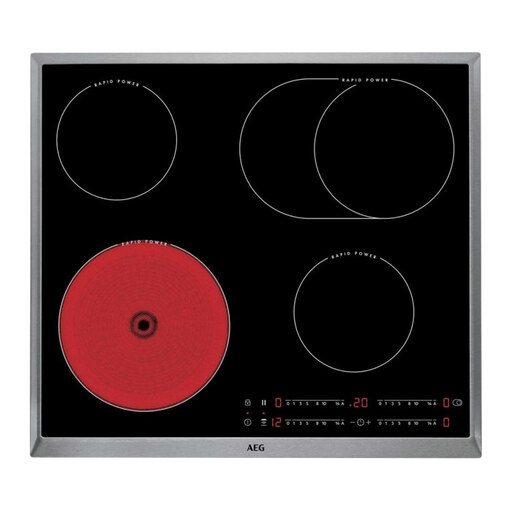 Image unavailable
HK654850XB Series 3000, 60 cm ceramic hob
An option if you’re replacing an electric hob and don’t want compatibility with magnetic-base cookware to be your first consideration. This model is described as a 60 cm ceramic hob.
Before replacing your appliance, compare the cut-out, connection and ventilation requirements in the instructions. For energy use, prioritise figures based on comparable usage.
View on Joybuy
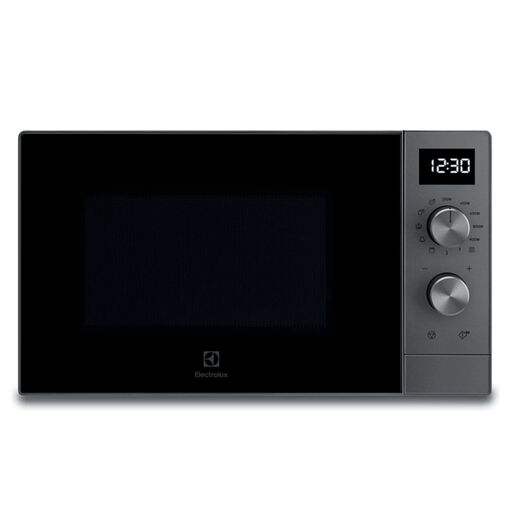 Image unavailable
Electrolux EMZ725MMTI, 25 L microwave with grill
Consider this model to complement your cooking with reheating or grill-based dishes, without needing space in a built-in housing unit. The title lists a capacity of 25 L and microwave power of 900 W.
Check the worktop space and ventilation required, as well as the features that suit your meals. This format won’t automatically replace a conventional oven.
View on Joybuy
Frequently asked questions
Will my saucepans work on an induction hob?
It depends on the base of each pan. Electrolux lists cast iron, steel, enamelled steel and compatible multi-layer bases, among other options. Aluminium, copper, glass and ceramic won’t work on their own. Also check the minimum diameter required by the zones on the hob you’re considering.
Is wattage enough to choose a more energy-efficient hob or oven?
No. Maximum power alone won’t tell you how much energy your meals will use. ADEME’s indicative comparisons are based on usage frequency. For an oven, also compare consumption measured using the same mode and standardised cycle, then take your own usage into account.
What should I check before replacing my hob with an induction model?
Check your cookware, the worktop cut-out and the connection and ventilation instructions for the model you’ve chosen. Bosch recommends professional installation for its induction hobs. In all cases, read the instructions for the model you’re planning to buy.
Can a mini oven replace a built-in oven in a small kitchen?
A mini oven may suit you if its functions and dimensions, and the dishes it can accommodate, meet your usual cooking needs. Measure the space available, check the required clearances and make sure your dishes fit inside: the capacity in litres alone won’t help you decide.
What should I do with my old oven, microwave or hob?
Take your old appliance to an electrical and electronic equipment collection point or arrange a suitable take-back service. The French Ministry for Ecological Transition points out that these appliances may contain hazardous substances and recyclable materials, so don’t put them out with your household rubbish.


