Households that often cook on the hob
If you regularly cook meals in a saucepan or frying pan, consider induction while keeping in mind how many cooking zones you need. First, check your cookware, the hob dimensions and the electrical supply.


First, replace or add the appliance that best suits the way you actually cook: a hob, oven and microwave don’t all do the same things. Induction is worth considering if you often cook in pans, provided your cookware and electrical installation are suitable. When comparing ovens, look at similar capacities and energy use per cycle. A microwave or compact appliance may suit certain meals and small portions, but it won’t automatically replace a full-sized oven.
If you regularly cook meals in a saucepan or frying pan, consider induction while keeping in mind how many cooking zones you need. First, check your cookware, the hob dimensions and the electrical supply.
If your dishes, baking or portion sizes need an oven cavity, choose a capacity that suits them. A more compact appliance is only a good option if it can accommodate the recipes and dishes you use.
For smaller portions and suitable dishes, a microwave or combination appliance may be well suited to these tasks. Bear in mind that it won’t necessarily handle recipes that need the functions or capacity of a conventional oven.
Start with the type of meal that’s prompting you to make a change, then compare the capacity and energy use of appliances that can prepare the same meals. As a guide to hob cooking, ADEME gives annual figures of 115 kWh for induction and 200 kWh for ceramic hobs, based on its assumptions of 409 cycles a year. These figures won’t predict your household’s energy use.
| What matters to you | What to check | Who this is for |
|---|---|---|
| Cooking on the hob | Compare the number and size of the cooking zones. For induction, check your pans and the electrical installation. | I often cook with several pans and want to look at the energy use for this type of cooking without losing the zones I need. Around 33% of consumers would put hob cooking at the top of their list. |
| Oven capacity | Match the usable capacity to your dishes, then compare the kWh per cycle of similar ovens using the same cooking mode. | My recipes need a large enough cavity, and I don’t want to choose an appliance that means leaving some dishes off the menu. This would be a priority for around 27% of consumers. |
| Reheating and defrosting | Check the internal capacity and the functions you need for the dishes you plan to prepare. | I often reheat or defrost portions and want an appliance suited to these tasks, without assuming it can do everything my oven can. Around 20% of consumers would make this their main need. |
| Small portions | Check the capacity, dimensions and dish sizes the appliance can accommodate against the recipes you usually make. | I mainly prepare small meals and want to know whether a compact appliance will actually fit my portions. Around 20% of consumers would prioritise this. |
ADEME’s annual figures for hobs and ovens are based on different usage patterns. So a total in kWh isn’t enough to decide whether one appliance can replace another for the meals you cook.
Make a note of what you cook in a typical week and compare appliances that can handle the same tasks, with a capacity that suits your needs.
Your pans must be suitable for induction and for the zone you want to use. If you’re buying a built-in hob, its dimensions and the electrical supply will also affect whether it’s a suitable replacement.
Test the base of your cookware with a magnet and measure it. Then check your measurements and the worktop cut-out against the model’s instructions. Have the suitability of your electrical installation confirmed.
The basket, bowl or cavity may limit the size of dishes and the number of portions you can cook. Some recipes still need the functions or space of a conventional oven.
Check the dimensions of the dishes you use most often before deciding whether a compact appliance will complement your oven or genuinely cover the way you cook.
The energy use shown per cycle is based on specific cooking modes. Consider it alongside the cavity capacity and the mode you plan to use.
Compare ovens with similar capacities by looking at their kWh per cycle in the same mode, then take your usage frequency into account.
Bosch’s range includes built-in, compact and combination ovens to consider depending on the space your dishes need.
Electrolux’s range includes induction hobs, ovens and microwaves.
Whirlpool offers induction hobs with a range of different cooking-zone layouts.
Moulinex’s range includes compact hot-air cooking appliances to consider for suitable recipes and portion sizes.
These appliances are suited to induction hob cooking, dishes that can be prepared in a microwave, and small portions cooked with hot air. Their features can help you check suitability and capacity, but on their own they can’t tell you how much electricity you’ll save.
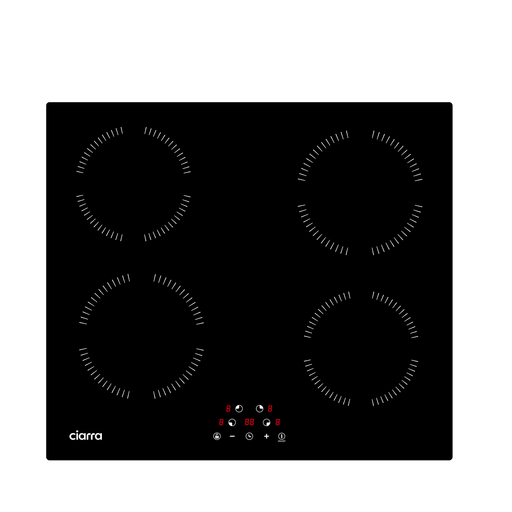 Image unavailable
Worth considering if you want to keep several cooking zones on a built-in hob.
The model name specifies four zones and nine power levels. Before replacing your hob, check the cut-out dimensions, your cookware and whether the electrical installation is suitable.
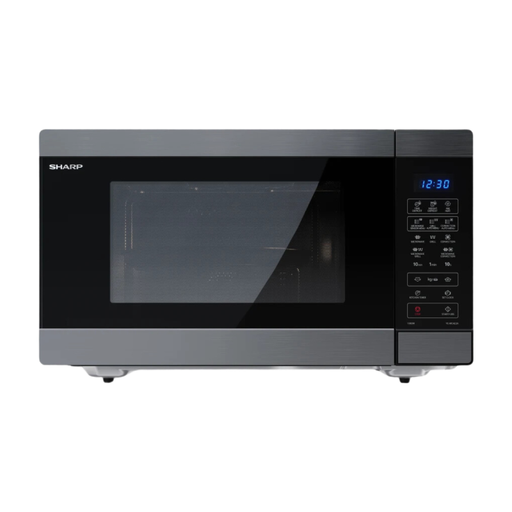 Image unavailable
Consider it if you’re looking for a combination appliance for dishes suited to its cooking modes.
It has a stated cavity capacity of 42 L. Check that it has the functions your recipes need and that your dishes will fit before considering it as a replacement for a conventional oven.
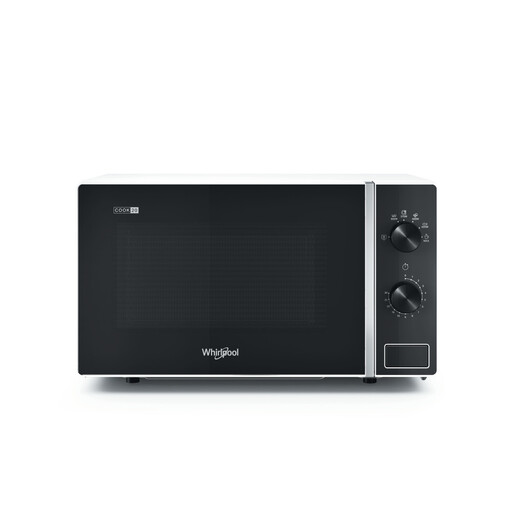 Image unavailable
Worth considering for reheating or defrosting portions that fit in a 20 L microwave.
The product name specifies 700 W. This figure alone doesn’t tell you how much energy it uses to prepare a meal, and this model won’t replace cooking that needs an oven.
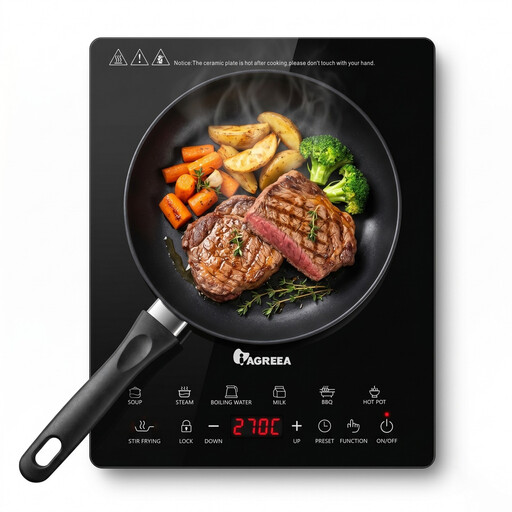 Image unavailable
A portable cooking zone may suit occasional extra cooking, but it can’t replace several zones used at the same time.
The product name specifies eight power levels, a temperature range of 60 to 270 °C and cookware sized 12 to 26 cm. Also check that the base of your cookware is magnetic.
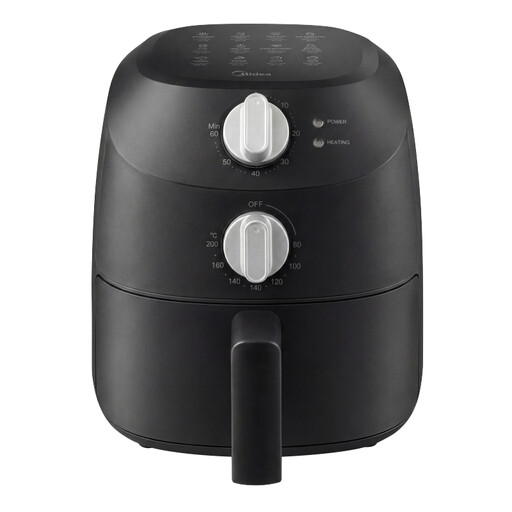 Image unavailable
Worth considering for small portions and recipes suited to hot-air cooking.
The stated capacity is 2 L, and the product name specifies a 60-minute timer. Check that your portions fit in the basket: its 1,150 W power rating doesn’t prove it will use less energy per meal.
No. ADEME’s annual figures are based, among other things, on 409 cycles for hobs and 187 cycles for a 63 L electric oven. Before deciding whether to replace an appliance, first compare appliances that can prepare the same dishes, using similar portions and cooking modes.
No. The European Commission says that energy labelling applies to domestic ovens, but not to hobs. When comparing ovens, look at the energy use per cycle in the same cooking mode. For a hob, check its features and how well it suits your needs.
Not if their bases are induction-compatible and suit the zones on your new hob. Electrolux recommends checking whether a magnet sticks to the base of your pan. Then check the instructions for the pan diameters accepted by your chosen model.
Yes. Make sure the electrical supply, circuit and built-in dimensions are suitable for your new appliance. Promotelec distinguishes, for example, between the circuit for an electric hob and those intended for appliances such as an oven. A product listing alone can’t confirm that your home’s installation is suitable.
Arrange for it to be taken back or taken to a collection point for electrical and electronic equipment. In France, this equipment is covered by the WEEE scheme described by the ministry responsible for the ecological transition. Check the options offered by the retailer or your local collection point.