Households cooking several dishes at once
If you regularly use saucepans and frying pans at the same time, consider the number and size of the hob zones. Also check that your electrical installation is suitable for the model you have in mind.


If you cook regularly, choose a hob if your meals mainly involve using saucepans and frying pans, an oven for batch cooking, or a microwave for reheating and preparing small portions. A combination may suit you if you regularly use different appliances for different tasks. Then compare electricity figures on a like-for-like basis, and check the available space, installation dimensions and electrical supply before buying.
If you regularly use saucepans and frying pans at the same time, consider the number and size of the hob zones. Also check that your electrical installation is suitable for the model you have in mind.
For gratins, baking or cooking several dishes in the oven, usable capacity and dimensions matter just as much as the cooking modes. When comparing two ovens, check their energy consumption in kWh per cycle using the same mode.
If you often reheat leftovers or defrost food, choose a microwave with the capacity and functions to suit your containers and the food you prepare. Don’t assume it will replace an oven for every recipe.
Start with the cooking tasks you do most often, then rule out models that aren’t suitable for your kitchen’s space or power supply. The power rating alone doesn’t tell you how much electricity an appliance will use to prepare a meal.
| Criterion | What to check | Best suited to |
|---|---|---|
| Hob cooking | Number and size of zones; whether your cookware is compatible with induction. | If you need to cook several dishes in saucepans or frying pans during the same meal, space for your cookware is a priority; around 30% of consumers put this type of active cooking first. |
| Oven cooking | Usable capacity and energy consumption in kWh per cycle using the same cooking mode. | For regular gratins, baking or family meals, you need an oven cavity that suits the quantities you prepare; batch cooking is the top priority for around 30% of consumers. |
| Small portions | Microwave capacity and useful functions: reheating, defrosting or grilling. | Reheating leftovers or defrosting a small amount without cooking a large batch is especially useful for people who need quick meals; around 20% prioritise small portions. |
| Space and power supply | Installation dimensions and clearances specified in the manual; existing electrical circuit. | In a kitchen where space or the electrical connection limits your options, avoiding an appliance that can’t be installed takes priority over its features; around 20% of consumers prioritise this compatibility. |
Power doesn’t tell you how long an appliance will run or how it will be used. The annual usage figures published by ADEME are based on different use cases, so they can’t predict your household’s consumption.
Compare appliances that perform the same task. For two ovens, check the kWh per cycle for the same cooking mode; for a hob or microwave, consider the cooking tasks and containers you plan to use.
The visible width isn’t enough: the recess, clearances and power supply requirements vary by model. Promotelec also sets out requirements for dedicated circuits for certain cooking appliances.
Measure the space, read the installation instructions and ask a professional to assess any new circuit or modifications that may be needed.
Adapting the space or electrical circuit could delay installation.
Hobs, ovens and microwaves are designed for different tasks. Their annual energy consumption figures therefore aren’t enough to tell you which appliance is right for a particular recipe.
Think about frying-pan cooking, oven batches and reheating before deciding whether one appliance really covers your meals, or whether you regularly need several appliances for different tasks.
For goods sold by a business to an individual in France, the Ministry of the Economy distinguishes between the mandatory legal guarantee of conformity and an optional commercial warranty.
Before agreeing to an extended warranty, read its exclusions and service terms, and keep a record of the advertised specifications and your purchase documents.
Bosch offers built-in ovens, with features that vary by model.
Electrolux offers built-in microwaves and compact ovens for fitted kitchens.
Whirlpool’s cooking range includes ovens, hobs and microwaves.
These models cover hob cooking, oven-style cooking on a worktop and microwave reheating. Choose based on the meals you prepare first, then check the space available and the instructions for your chosen model.
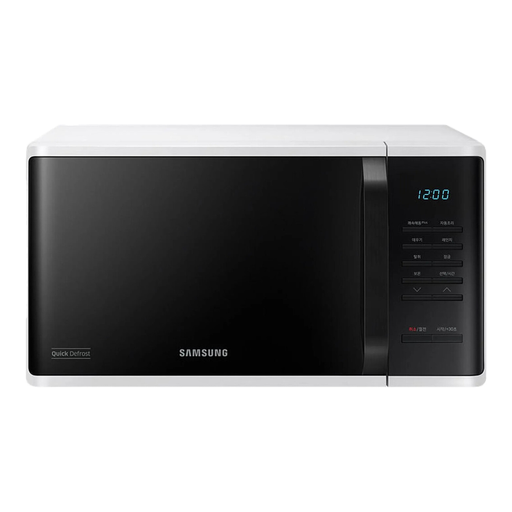 Image unavailable
Worth considering if you regularly reheat or defrost small portions.
23 L solo model; check the manual for the clearances needed around it. The ECO function applies to standby and doesn’t indicate how much electricity is used during cooking.
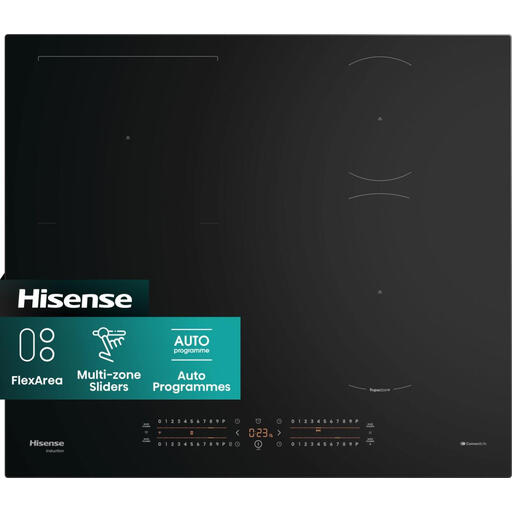 Image unavailable
An option to consider if your meals mainly involve cooking in saucepans or frying pans.
Check the cut-out dimensions, cookware compatibility and the connection specified in the manual against your existing installation. The connection power rating alone doesn’t determine how much electricity you’ll use to cook your meals.
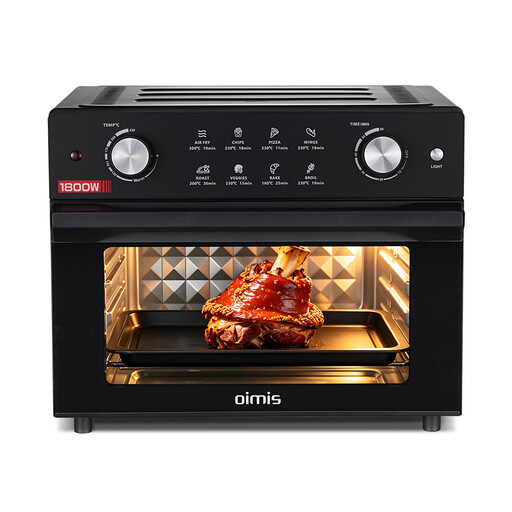 Image unavailable
Worth considering for oven-style cooking if you’re looking for a countertop appliance rather than a built-in oven.
The product name specifies a 30 L capacity, space for a 13-inch pizza and a stated power rating of 1,800 W. Check the available space and the clearances required by the manual; this power rating doesn’t prove that it will save electricity.
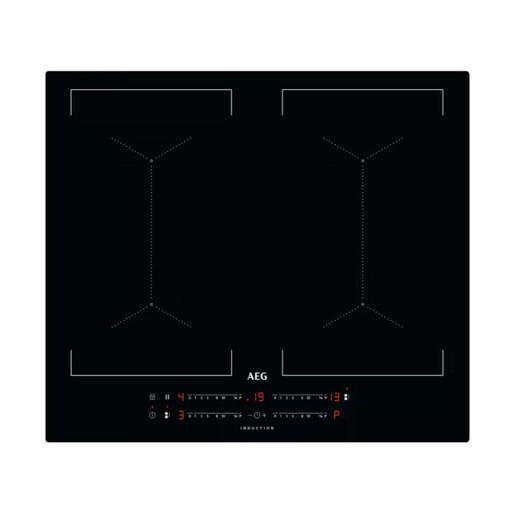 Image unavailable
Worth considering for regular cooking with several pans, provided you have a suitable space for a built-in hob.
The product title mentions four zones and a Bridge function. Confirm the exact dimensions before buying: the 60 cm width stated in the title doesn’t match the 67.8 cm width listed in the specifications. Check the electrical connection, too.
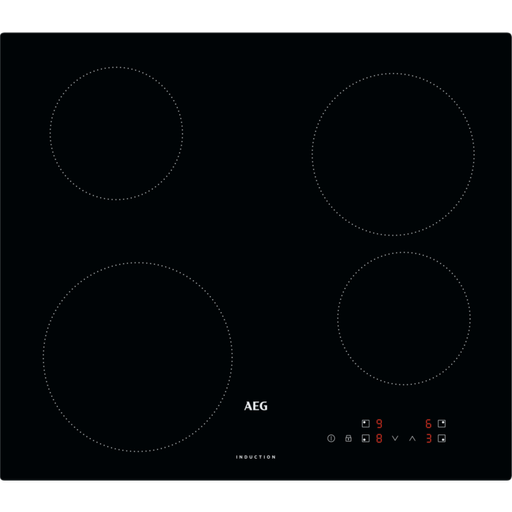 Image unavailable
Worth considering if you need a hob for several dishes and can have the required electrical connection checked.
The product is described as semi-integrated and 59 cm wide. It’s listed as unsuitable for flush installation or fitting above a dishwasher; check the layout, cut-out and electrical circuit against the manual before buying.
No: how long and in what way you use an appliance also matters. For domestic ovens, the European Commission’s EPREL database lists energy consumption in kWh per cycle for conventional and fan-assisted modes, among other details. Compare the same mode across models.
Check the space, the manual and the existing circuit before buying. For hobs, Promotelec specifies a 32 A cable outlet using 6 mm² cable, with a 32 A circuit breaker. If any changes are needed, ask a suitably qualified professional to inspect the installation.
No: measure the height and depth of the recess as well, then check the installation requirements and power supply for your chosen model. For example, Electrolux specifies a 380 × 560 × 550 mm recess for its LMS4253TMW; these dimensions don’t apply to other appliances.
No, a commercial warranty is optional and sits alongside statutory guarantees, according to the Ministry of the Economy. If you’re buying from a business in France, compare the services and exclusions offered by the extended warranty, and don’t confuse it with the legal guarantee of conformity.