People who mainly cook on the hob
If you often start your meals in a frying pan, saucepan or wok, your choice will depend first on the type of hob, the cookware you already own and the space available.


If you regularly cook at home, choose an appliance that suits the way you cook most: a hob for pans and saucepans, an oven for dishes and baking, or a microwave mainly for reheating and defrosting, as an addition to your other appliances. Then check the model’s features, capacity, comparable energy consumption figures and installation requirements. Induction hobs, for example, need magnetic cookware, while a built-in appliance must fit the space available.
If you often start your meals in a frying pan, saucepan or wok, your choice will depend first on the type of hob, the cookware you already own and the space available.
For casseroles, baking or cooking several portions at once, compare capacity, cooking modes, the stated energy use per cycle and, for a built-in model, the dimensions of the space it needs to fit into.
A microwave can complement your main cooking appliance. If you also want to cook with it, check the difference between the features of a standard model and those of a specific combination microwave.
Start with the meals you cook most often, then check how the appliance you’re considering measures up against your cookware, the space available and energy figures expressed on a comparable basis.
| Priority | What to check | Who it suits |
|---|---|---|
| Cooking on the hob | Compare induction and ceramic hobs, then check that your cookware is compatible and review the specifications of the hob you’re considering. | If I mostly cook with a frying pan or saucepan, I want to be able to use the cookware I already own regularly. Around 37% of consumers would put this type of everyday cooking at the top of their list of needs. |
| Dishes and baking | Check the capacity, cooking modes and dimensions of the space it needs to fit into. When comparing ovens, also look at the kWh per cycle for the same mode. | If I cook casseroles, bake or prepare several portions, I need an oven that suits the size of my dishes. Around 36% of consumers would make oven cooking their priority. |
| Reheating and extra capacity | Compare standard and combination microwaves. Check the modes actually offered, as well as whether the appliance is freestanding or built in. | I often reheat and defrost food, and I’m looking for an appliance that complements my other cooking methods without taking up too much space. Around 27% of consumers would put this need first. |
The figures published by ADEME describe typical usage and reference appliances; they don’t predict how much energy your model will use with your cooking habits.
For an oven, compare the kWh per cycle for the same mode and take the stated capacity into account. For a hob, compare the model’s figures and the technology it uses before drawing a conclusion.
According to Bosch, induction hobs need magnetic cookware. A pan that isn’t compatible won’t work on this type of hob.
Check your frying pans and saucepans before buying, and also compare ceramic hobs if you want to use a wider range of cookware.
You may need to replace cookware that isn’t compatible.
A cavity that fits your dishes isn’t enough if the oven won’t fit your kitchen unit or its cooking modes aren’t suited to the food you make.
Measure the space and check it against the installation diagram for the model. Also review the cooking modes and energy consumption per cycle.
Features, capacity and accessories vary by model. The word ‘combination’ alone doesn’t tell you whether an appliance is suitable for the dishes you usually prepare.
Make a list of what you plan to cook, then check the programmes, accessories and installation instructions in the model’s product information.
Its induction and ceramic hob ranges let you compare two ways of cooking on the hob.
Its built-in ovens are worth comparing based on the capacity you need, the cooking modes and the space available in your kitchen unit.
Its combination microwaves may appeal to households looking for cooking features in addition to reheating.
This Joybuy selection brings together hobs for cooking with pans and saucepans, a built-in oven for dishes and baking, and microwaves for reheating and other uses. Start by choosing the type of appliance, then check the requirements for the specific model.
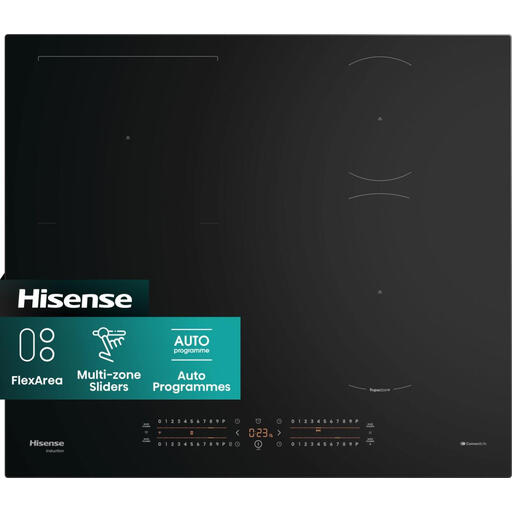 Image unavailable
Worth considering if you mostly cook on the hob and your cookware is suitable for induction.
Stated width: 60 cm. Check the built-in dimensions and the electrical and ventilation requirements for this model before choosing it.
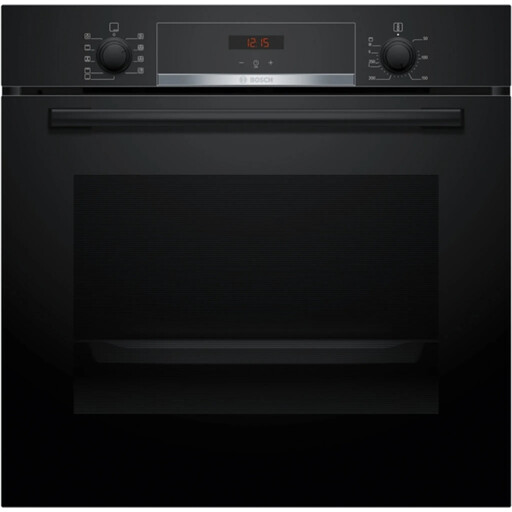 Image unavailable
Worth considering for regular cooking and baking, provided the oven fits your kitchen unit and offers the cooking modes you need.
Stated capacity: 71 L. Before buying, confirm the number of cavities in the product information: the title refers to a double oven, while the description lists a single compartment. Also check the required space and the stated energy consumption per cycle.
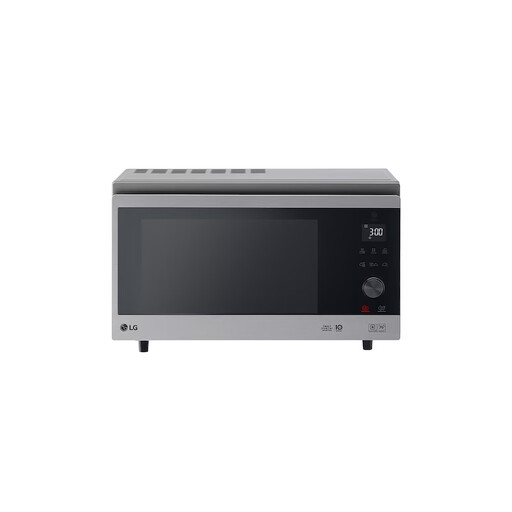 Image unavailable
Worth considering if you often reheat food and would also like to compare additional cooking features.
Stated capacity: 39 L. Check the programmes and accessories in the instructions, and make sure there’s enough room for the dishes you usually use.
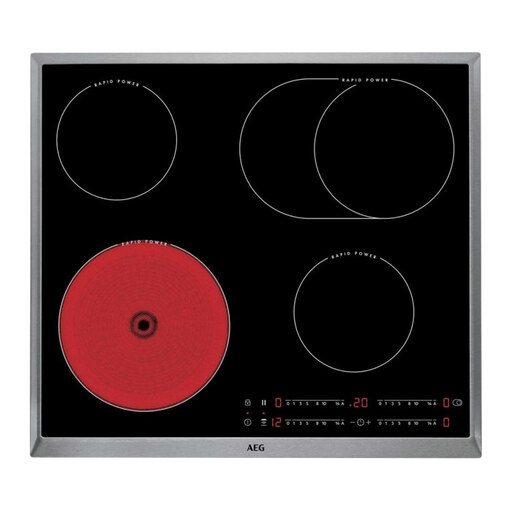 Image unavailable
An option for people who mostly cook on the hob and would rather consider a ceramic hob than induction.
Stated width: 60 cm. Check the built-in dimensions, electrical specifications and energy consumption figures for this model, using comparable units.
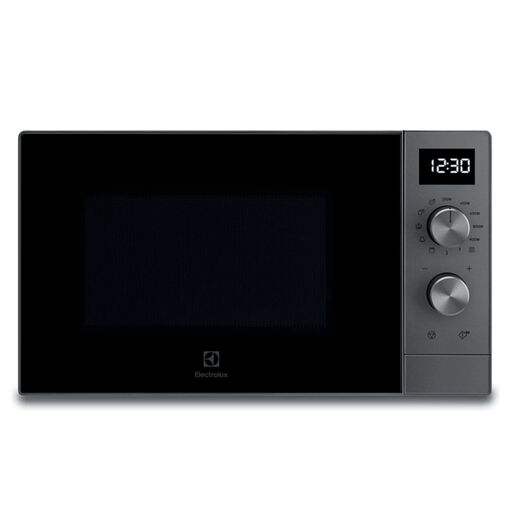 Image unavailable
Worth considering for reheating and adding grill cooking, without choosing a built-in appliance.
Stated capacity: 25 L, with a stated microwave power of 900 W. This power rating doesn’t represent the energy used per preparation. Check the specific modes and the ventilation clearances required for freestanding installation.
Only if the model’s features and capacity are genuinely suitable for the dishes you prepare. Whirlpool describes combination microwaves with a range of cooking features, but these vary by model. Check the programmes, dimensions and accessories before considering a replacement.
Yes, if they’re suitable for induction. Bosch explains that induction requires magnetic cookware, so check your saucepans and frying pans before choosing a hob.
Compare the kitchen unit dimensions with the installation diagram for the model, then read the ventilation and connection instructions in the manual. If you’re unsure whether your home’s electrical installation is suitable, have it assessed before installation rather than assuming what the circuit needs based on the appliance type alone.
First, compare figures expressed in the same units and for comparable uses. For domestic ovens covered by the relevant rules in the European Union, the European Commission states that an energy label is mandatory. In particular, check energy consumption per cycle and the cooking mode. ADEME’s annual figures provide useful context, but they don’t predict how much energy your household will use.