Households that cook full meals
If you regularly use frying pans, saucepans and oven dishes, choose a hob and oven that suit your portion sizes and the dishes you prepare at the same time.


For a varied menu of meals cooked regularly at home, start with a hob that suits your frying and saucepan cooking, then add an oven if you often cook dishes in it. A microwave is mainly useful for frequent reheating and defrosting; a specialist small appliance is worth making room for if you’ll genuinely use its function. Before buying, compare electricity use for similar tasks and check the space, power supply and ventilation.
If you regularly use frying pans, saucepans and oven dishes, choose a hob and oven that suit your portion sizes and the dishes you prepare at the same time.
If you regularly have leftovers or individual portions to heat, a microwave can complement your main cooking appliances, although it won’t necessarily do the job of an oven.
Before choosing a built-in appliance or cooker hood, consider the available space, which appliances will be used at the same time, the electrical circuit and the existing ventilation.
When equipping or updating your kitchen for everyday cooking at home, start with your main need. An appliance’s features are only useful if they suit the meals you prepare.
| What matters | What to check | Who is it for? |
|---|---|---|
| Choosing your main appliances | Count how many things you cook at once and check that the oven capacity suits your usual portion sizes. | If a meal regularly includes saucepans, frying pans and oven dishes, I want to prepare its different elements without having to cook them one after another. Around 31% of consumers would put this main equipment at the top of their list. |
| Comparing electricity use | Compare equivalent tasks and portion sizes; if you’re buying a new oven, check its energy label too. ADEME’s annual estimates for hobs, ovens and microwaves are based on different patterns of use. | If I’m keeping an eye on electricity use, a lower annual figure won’t help me choose if the appliances aren’t preparing the same meal. Around 31% of consumers would prioritise this like-for-like comparison. |
| Choosing a useful extra | Identify a task you do repeatedly, such as reheating or defrosting, then check whether your current appliances already do it. | For regular leftovers or small portions, I mainly want to reheat or defrost food without buying an appliance that duplicates what I already have. Around 23% of consumers would prioritise this type of extra. |
| Working around your home’s limitations | Measure the space and check the power supply required for your chosen model. Enedis requires an induction hob to have its own dedicated circuit and protection; check the ventilation before choosing a cooker hood too. | In a kitchen where space, the electrical circuit or extraction limits my options, I first need to find an appliance that’s compatible with my home. Around 15% of consumers would put this compatibility first. |
The figures published by ADEME for a hob, oven and microwave relate to appliances used at different frequencies and in different ways. So a figure for one appliance category doesn’t show that it can replace another for your recipe.
First check which appliances can prepare the dish and portion you want, then compare their energy use under equivalent conditions.
Your cookware must be compatible with induction. Enedis also states that an induction hob needs its own dedicated circuit and protection.
Check your pans and ask someone to confirm the circuit is suitable for the model before ordering.
Depending on your appliances and home, you may also need to replace incompatible cookware or adapt the installation.
In France, Article 14 of the Order of 24 March 1982, published on Légifrance, prohibits connecting an individual mechanical cooker hood to a communal air-extraction system.
Check what type of ventilation your home has and choose a compatible solution before connecting anything.
A specialist small appliance takes up space and needs cleaning, even if you rarely use its function. Its stated power rating alone doesn’t tell you how much electricity it would use to prepare your meals.
Make room for one if you can name a task you do often that your chosen hob, oven or microwave doesn’t handle as you’d like.
Bosch offers several types of electric hob in France, including induction models and extractor hobs.
Electrolux’s cooking range includes hobs, ovens, microwaves and cooker hoods.
Whirlpool France lets you search for genuine spare parts by appliance reference, including parts for its cooking appliances.
These models suit several everyday cooking needs: cooking on a hob, reheating in a microwave and preparing specific small-quantity dishes. Choose according to the tasks you do repeatedly, then check what your kitchen can accommodate.
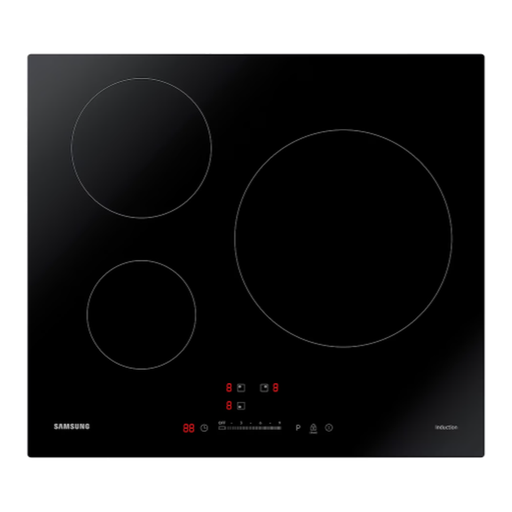 Image unavailable
A hob for regular frying and saucepan cooking, provided your cookware and electrical circuit are suitable for induction.
The title lists 3 zones and 7 200 W. As the information about the number of zones and the width is inconsistent, confirm the layout, external dimensions and cut-out size for the model before buying.
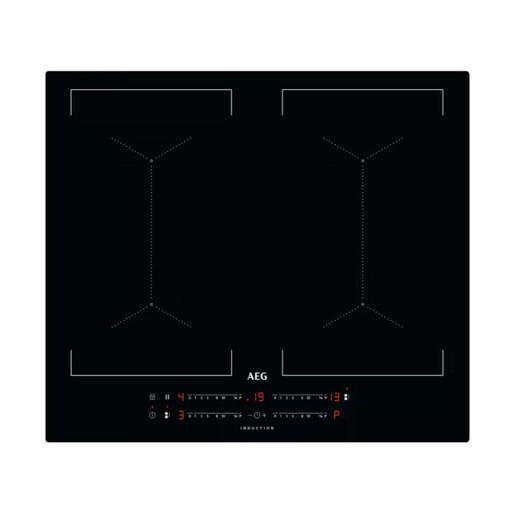 Image unavailable
Worth considering if you use several pans while preparing a meal and have a suitable space for a built-in hob.
The title lists 4 zones and a Bridge function. Check the cut-out dimensions, power supply and compatibility of your cookware with induction.
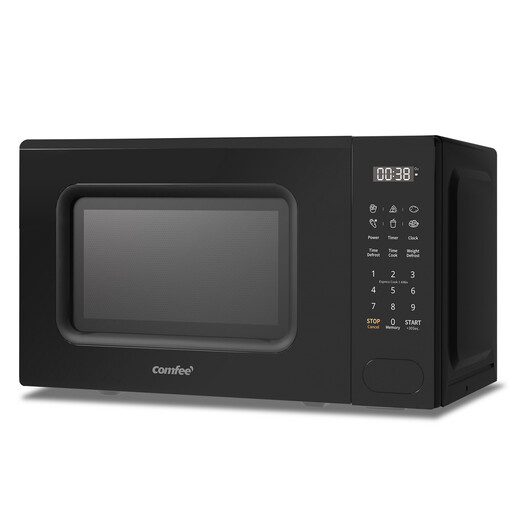 Image unavailable
An extra to consider if you regularly reheat or defrost portions, rather than a replacement for all your hob or oven cooking.
The title lists 700 W, 11 power levels and a defrost function. Check that the 20 L capacity and the space you have in mind suit your needs.
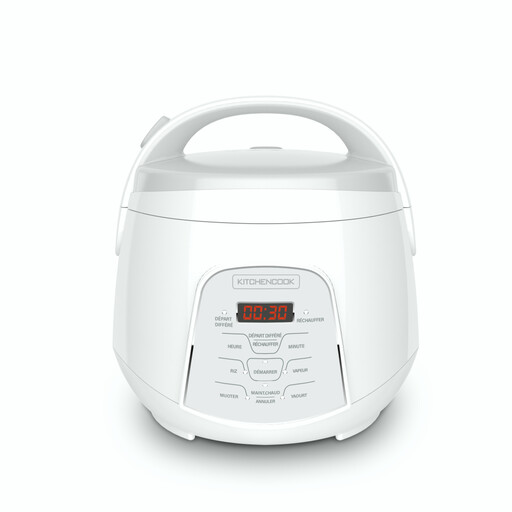 Image unavailable
This multi-cooker is worth considering if you often make the specific dishes it’s designed for, rather than as a general replacement for a hob.
Its stated capacity is 2 L. Leave the required clearance around the appliance and take care of the steam when opening it.
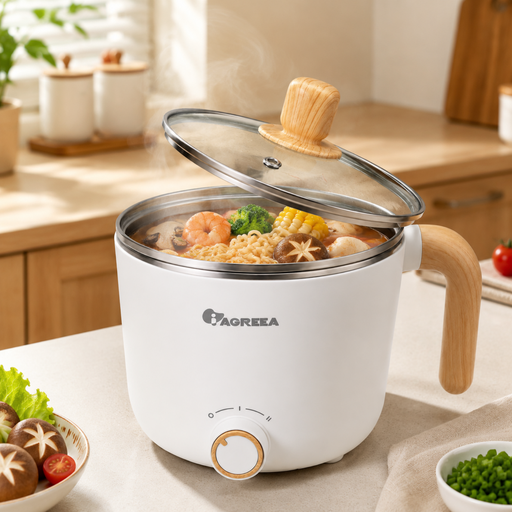 Image unavailable
Worth considering for simple, small-portion meals if you’ll use this function often; make sure the 1 L capacity suits your portions.
The title lists two settings, 300 W and 600 W, as well as an inner stainless steel pot. Check the external dimensions against the space you have available; the power ratings alone don’t tell you how much electricity a meal will use.
No. ADEME’s indicative annual energy-use figures relate to different patterns of use and don’t compare the appliances preparing the same meal. A microwave is useful for specific tasks such as reheating or defrosting; when choosing between appliances, start with the recipe and portion you need to prepare.
Check that your cookware is compatible, and confirm the model’s dimensions and electrical installation requirements. Enedis states that an induction hob needs its own dedicated circuit and protection. If you’re unsure about your installation, ask a suitably qualified professional to check it.
No. In France, Article 14 of the Order of 24 March 1982, published on Légifrance, prohibits connecting an individual mechanical system such as a fan-assisted cooker hood to a communal air-extraction system. Check the existing ventilation before choosing a hood.
It helps you review the energy information for the model in question. The French Ministry of the Economy states that ovens and cooker hoods are among the new appliances covered by energy labelling. Compare products in the same category, while also considering how you’ll use them.