What should you look for before buying?
Start with the dish you prepare most often, then check your cookware, the space available and your existing electrical installation. An oven or microwave can complement a hob rather than replace it.
| Criterion |
What to check |
Consumers concerned |
| Cookware and hob cooking |
For induction, check the compatibility symbol or test the base with a magnet. Then make sure the cooking zones are the right size for your pans. |
I mainly cook in a saucepan and want to keep using the cookware I rely on every day. Around 36% of consumers prioritise this type of cooking and cookware compatibility. |
| Energy use and electrical connection |
Compare energy consumption on the same basis of use, then check the appliance’s power requirements against your existing circuit and the instructions. Promotelec’s guidance on circuits applies to new builds or full renovations; it doesn’t confirm whether a particular home is suitable. |
I want to manage my energy use without choosing an appliance that my installation can’t support. This is a priority for around 29% of consumers. |
| Oven cooking |
Compare capacity, available cooking modes, built-in dimensions and the kWh per cycle shown on the oven’s energy label. |
I regularly cook dishes in the oven or prepare several dishes at once, so oven capacity matters more than hob features. Around 21% of consumers put this type of cooking first. |
| Reheating and defrosting |
Check the capacity, overall size and functions actually included: microwave only, grill or combination. Follow the instructions on suitable containers. |
I mainly reheat portions or defrost food, and have limited space for the appliance. For around 14% of consumers, this need comes before other types of cooking. |
For its reference scenario of 409 cycles a year, ADEME gives annual figures of 115 kWh for an induction hob and 200 kWh for a ceramic hob. These figures help put the technologies in context under ADEME’s chosen conditions; they don’t predict the energy use of your model or your meals.
Brands to consider
These examples highlight features to compare on specific ranges or models; they don’t imply that every appliance from a brand has the same features.
Electrolux
Worth considering if you’re looking for an induction hob with zones that can accommodate larger pans.
- Electrolux says the Bridge function on certain models links two cooking zones. The brand states that the Y63IV346CT has a maximum total electrical power of 7 200 W.
- Check the function on your chosen model, the size of the zones, your cookware and the electrical connection requirements. Maximum power isn’t the same as energy use per meal.
Bosch
Worth a look if you’re comparing induction hobs with flexible cooking zones, depending on the model.
- Bosch describes FlexInduction, including on the PXE831HC1E, as a configuration designed for large saucepans and frying pans.
- Check the layout of the zones, fitting dimensions and electrical requirements for the model you’re considering, rather than relying on the feature name alone.
Whirlpool
Consider it if you’re comparing a ceramic hob with a built-in microwave for your kitchen.
- Whirlpool lists the AKT8090LX ceramic hob as having four cooking zones and timers. Microwave functions such as reheating, grilling or defrosting depend on the model.
- These appliances are suited to different types of cooking. Check the exact functions, dimensions and installation instructions for each model.
Appliances for different needs
These models suit three of the needs covered here: cooking dishes in the oven, cooking on an induction hob, or reheating and defrosting in a microwave. Start by choosing the right type of appliance, then check its dimensions, cookware requirements and electrical connection against your kitchen.
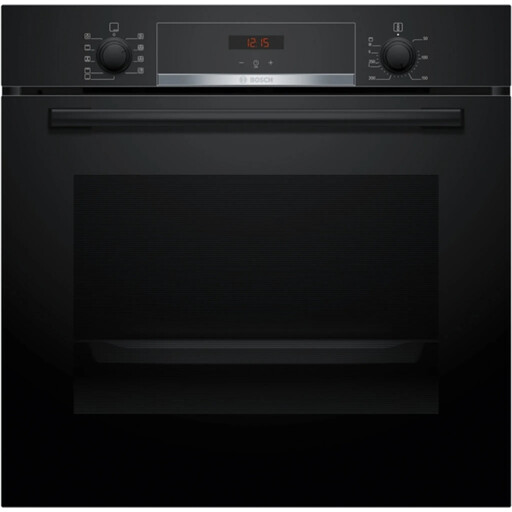 Image unavailable
Bosch HBA514BB3, 71 L built-in oven
Worth considering for dishes that need oven cooking. The product name lists a 71 L capacity and 3D hot air function.
Check the housing dimensions and electrical connection. Also confirm the number of compartments before buying: the information associated with this model is inconsistent on this point.
View on Joybuy
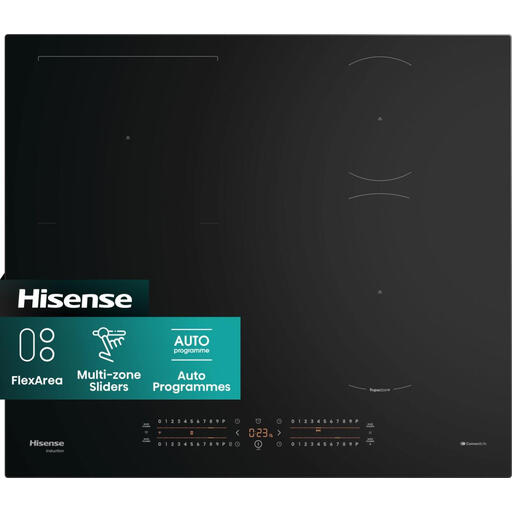 Image unavailable
Hisense HI6432BSCWF Hi6, 60 cm induction hob
An option if you mainly cook in a saucepan or frying pan, provided your cookware is suitable for induction.
Before replacing your hob, check the cut-out dimensions and make sure your existing circuit is suitable.
View on Joybuy
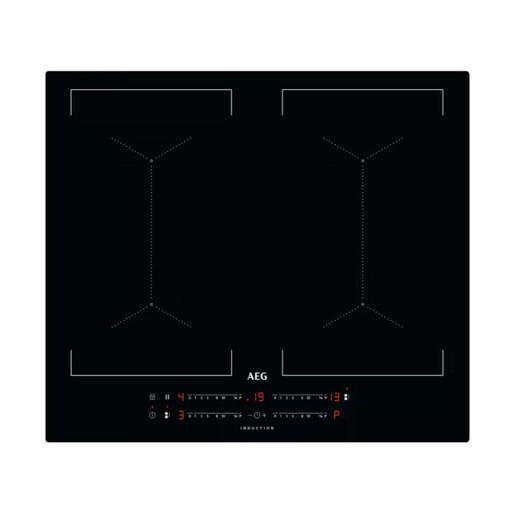 Image unavailable
AEG IKS64453IB, 60 cm induction hob with 4 Bridge zones
Worth considering if you cook on the hob with several pans and want to compare a Bridge zone configuration.
Check the usable size of the zones for your pans, cookware compatibility and electrical connection. Confirm the dimensions of both the appliance and the cut-out: the dimensions listed for this model don’t match.
View on Joybuy
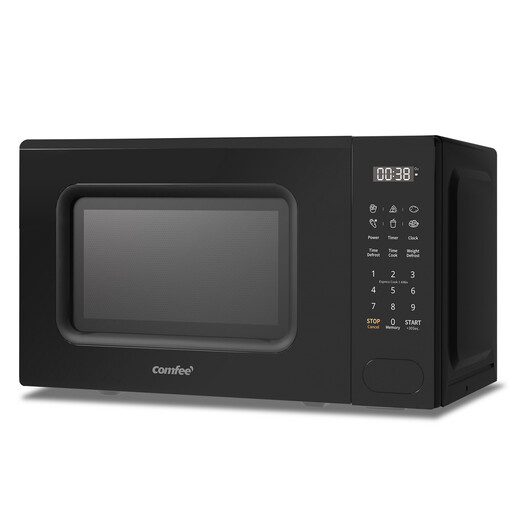 Image unavailable
COMFEE CM-E202CC(BK), 20 L, 700 W microwave
Worth considering if you mainly reheat portions and defrost food. The product name lists six pre-set menus and 11 power levels.
Measure the space available and follow the instructions on ventilation and suitable containers. Don’t assume it can handle every recipe you’d cook in a traditional oven.
View on Joybuy
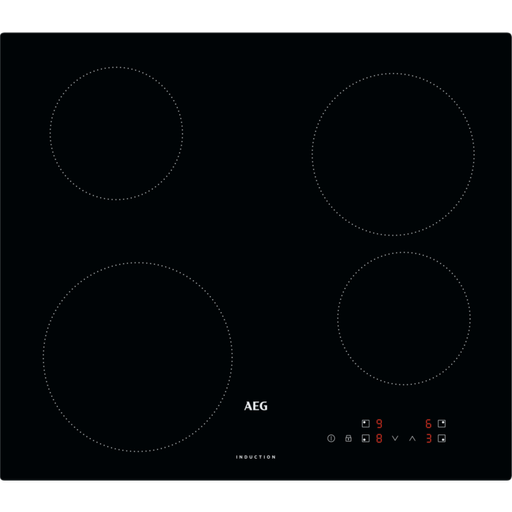 Image unavailable
AEG IBS64200CB, 59 cm induction hob, two-phase Perilex
Another model to compare for everyday hob cooking, provided you have cookware that’s compatible with induction.
The Perilex connection listed in the product name means you’ll need to check your existing installation carefully. Also check the cut-out, ventilation and placement restrictions in the instructions, particularly if you’re fitting the hob above a dishwasher.
View on Joybuy
Frequently asked questions
Can I keep my saucepans if I switch to induction?
Yes, as long as their bases are compatible with induction. Look for the relevant symbol or test each pan with a magnet. Electrolux says cast iron and some stainless steel cookware are generally suitable, while other materials need a compatible base.
Does induction always use less energy than a ceramic hob?
No, reference figures don’t guarantee this for every household. ADEME gives annual figures of 115 kWh for induction and 200 kWh for ceramic hobs in a scenario of 409 cycles a year. Your energy use also depends on the model and how you cook.
What should I check about my electrical circuit before buying a hob or oven?
Before buying, compare the appliance’s connection requirements with your existing installation. For a new build or full renovation, Promotelec gives a dedicated 32 A circuit for an electric hob or cooker and a 16 A or 20 A circuit for an oven as reference points. These figures aren’t enough to determine whether your home is suitable. If in doubt, ask a qualified professional to assess the installation.
Can the energy label be used to compare hobs?
No, it doesn’t let you compare an induction hob with a ceramic hob in the same way you can compare ovens. The European Commission says that energy labelling is compulsory for ovens and cooker hoods. For an oven, look in particular at the capacity and energy consumption per cycle shown on the label.
Which containers should I avoid when using the microwave function?
Avoid steel and stainless steel dishes and cutlery, as well as porcelain with gold decoration, when using the microwave function, as UFC-Que Choisir advises. In all cases, check the container markings and the appliance instructions before use.


