Households updating a fitted kitchen
If you’re replacing a hob or built-in oven, measure the space and check the new model’s instructions. Its dimensions, power supply and ventilation requirements must be suitable for your existing kitchen.


Start by thinking about the meals you prepare: choose a hob for pans and saucepans, an oven for dishes that need baking, and a standard microwave mainly for reheating or defrosting. If you regularly do all of these, a combination of appliances may suit your needs better than a single multifunction appliance. Before ordering, check the space available, power supply and ventilation requirements for each model. If you’re considering induction, make sure your cookware is compatible.
If you’re replacing a hob or built-in oven, measure the space and check the new model’s instructions. Its dimensions, power supply and ventilation requirements must be suitable for your existing kitchen.
Your cookware also affects which hob you choose. Bosch describes electric ceramic hobs as compatible with different types of pan, while induction requires cookware with a magnetic base.
A standard microwave is mainly for reheating and defrosting. For dishes you’d usually cook in an oven, consider an oven or check the specific functions of a combination appliance.
Start with the tasks you do most often, then compare the features and installation requirements of the models that meet your needs.
| Priority | What to check | My needs |
|---|---|---|
| Hob cooking | Compare the number and size of the cooking zones with the pans you use at the same time. If you’re choosing between an electric ceramic hob and induction, check that your pans are compatible and read the installation instructions. | I often cook in a saucepan or frying pan and need enough cooking zones for the dishes I usually make. |
| Oven cooking | Compare the capacity with the quantities you prepare and check the model’s cooking modes. For ovens covered by the energy label, the European Commission says it shows energy consumption per cycle in conventional mode and fan-assisted mode. | I regularly make gratins, bakes or other oven-cooked dishes. Capacity and the available cooking modes matter more to me than a feature I wouldn’t use. |
| Reheating and defrosting | A standard microwave can handle these tasks, according to Whirlpool France. Check separately whether it has a grill or combination cooking modes, as well as its capacity and dimensions. | I mainly reheat meals and defrost food. If I also want to brown or bake dishes, I’ll check which modes are actually available. |
| Multiple appliances or functions | List the tasks you need each appliance to handle. For a combination appliance, check the available modes and the space it needs. Don’t assume it offers all the functions of two separate appliances. | When I cook on the hob and in the oven, I’d rather check how to cover both needs than rely on the word “combination”. |
| Installation | Measure the appliance, any housing and the available depth, then compare these with the model’s instructions. Check the specified power supply, fittings and ventilation clearances. If electrical or fixed installation work is needed, ask a professional to check the installation. | I want to be able to install the appliance in my kitchen without finding out after ordering that the housing, socket or ventilation isn’t suitable. |
| Energy consumption | Using a scenario of 409 cycles per year, ADEME gives reference figures of 200 kWh/year for an electric ceramic hob and 115 kWh/year for induction. These aren’t predictions for your household. When comparing ovens, also check their capacity and the kWh per cycle shown on the energy label. | Energy consumption matters to me, but I want to compare like-for-like usage and measurements rather than treat an annual reference figure as a guaranteed result in my home. |
| Existing cookware | For induction, Whirlpool France says a magnetic base is required. Look for the compatibility symbol or test the base with a magnet. Also check the instructions for the hob you’re considering. | I’d like to keep my saucepans and frying pans, so their compatibility may influence my choice of hob. |
Whirlpool France and Bosch both say that cookware needs a magnetic base to work on an induction hob.
Test the pans you use most often or look for the compatibility symbol before choosing your hob.
If you choose induction, you may need to replace any incompatible cookware.
Even appliances in the same category may have different housing dimensions, power supply requirements or clearance needs.
Measure the space and compare your measurements with the installation diagram for the exact model, including ventilation and connections.
ADEME’s figures are based on specific usage scenarios. How often you cook and which appliance you choose will affect how relevant they are to your household.
Use them to understand the published scenarios. When comparing ovens, also check the capacity and energy consumption per cycle on the energy label.
Whirlpool France distinguishes between standard microwaves, which are intended in particular for reheating and defrosting, and models with additional functions.
Make a note of the dishes you want to prepare, then check the cooking modes, capacity, accessories and ventilation instructions for the model you’re considering.
These examples can help you make sense of product specifications. The features listed apply to the specific models named, not every product range from each brand.
Its induction hob and built-in oven models let you look separately at the space available and the features you need.
Its information distinguishes between freestanding, built-in and combination microwaves according to how they can be used.
Its built-in oven specifications let you compare installation dimensions, capacity and available cooking modes.
These Joybuy models are freestanding microwaves for reheating and defrosting, with a grill on some models. Choosing one won’t replace the need for a hob or oven if your meals call for those types of cooking.
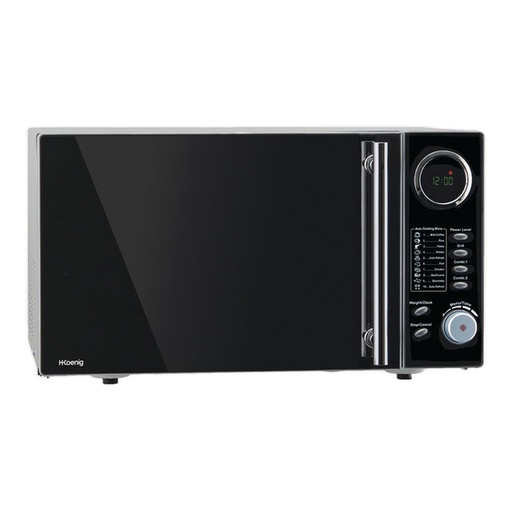 Image unavailable
Worth considering if you regularly reheat or defrost food and would also like to use a grill. Make room on your worktop and check the ventilation clearances in the instructions: this model is designed to be freestanding.
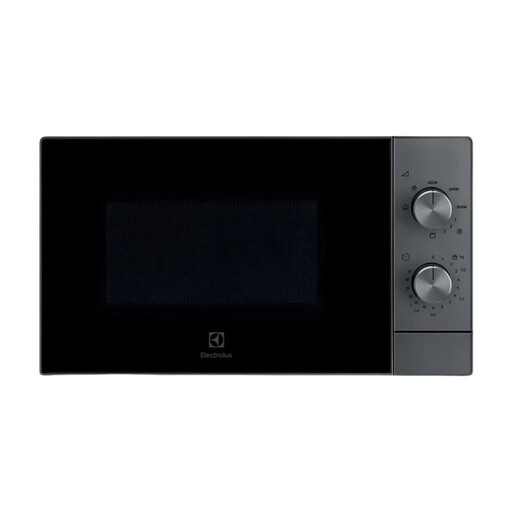 Image unavailable
Listed uses include reheating, defrosting, grilling and combination cooking. Check the available space, ventilation clearances and socket requirements for this freestanding model.
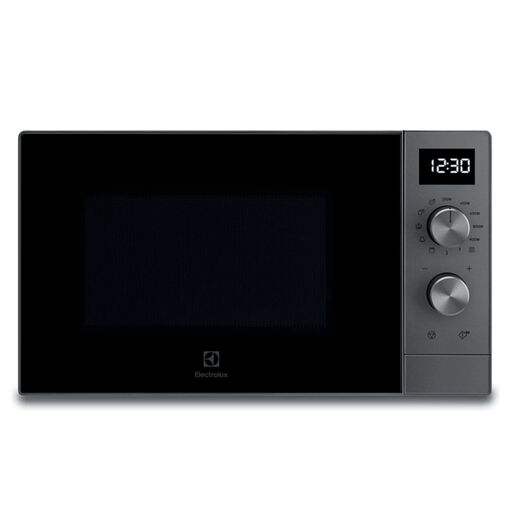 Image unavailable
This model is designed for reheating and defrosting, with a grill for dishes that need browning. Check its dimensions and ventilation clearances before making room for it on your worktop.
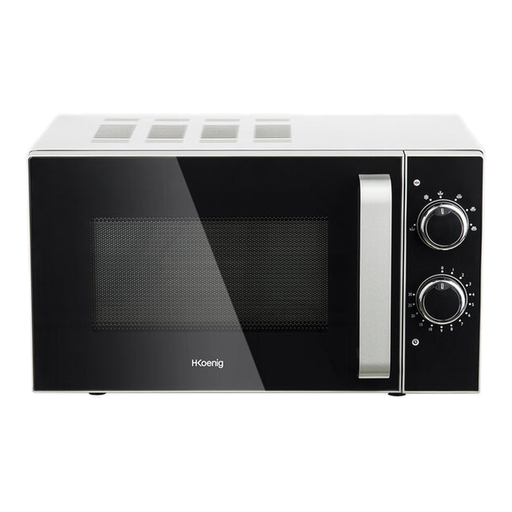 Image unavailable
This 20 L freestanding model is worth considering for reheating and defrosting if it suits the space you have available. Check its dimensions and the ventilation clearances specified in the instructions before installing it.
No, not in the same way. The European Commission says energy labels are compulsory for ovens and cooker hoods, but not for hobs. An oven’s label shows details including its capacity and energy consumption per cycle for each cooking mode. For a hob, check the technical information and consider how you’ll use it.
They’re reference figures based on published scenarios, not predictions for your kitchen. ADEME’s estimates for hobs are based in particular on 409 cycles a year. Compare this with your own habits and look at data for appliances and uses that are like for like.
Measure the housing, its depth and the space available for ventilation, then compare these with the installation diagram for the exact model. Also check how it’s secured and the type of power supply required. If installation involves electrical or fixed work, ask a professional to assess it.
Yes, if their bases are compatible with induction. Whirlpool France says they need to be magnetic. Look for the relevant symbol or check that a magnet sticks to the base of each pan you use regularly.
In France, the Ministry for the Ecological Transition says electrical equipment can be taken to a collection point or recycling centre, returned to a retailer or given to a social and solidarity economy organisation. Check the take-back options available when you make your purchase.