People who prepare several dishes at once
If you regularly use frying pans or saucepans while cooking a dish in the oven, separate appliances let you keep both cooking methods available.


If you often cook in a saucepan or frying pan, a hob meets a need that a combination microwave can’t replace. Add an oven for the dishes and batches you regularly prepare. If space is limited, compare a combination microwave with a separate oven based on the size of your dishes, the cooking modes you need and whether you’ll want to cook different things at the same time.
If you regularly use frying pans or saucepans while cooking a dish in the oven, separate appliances let you keep both cooking methods available.
If worktop or cupboard space is limited, compare a combination microwave’s external dimensions, capacity and functions with the dishes you actually prepare.
If some appliances would only be used occasionally, start by considering how often you cook and reheat food before deciding which ones deserve a place in your kitchen.
When equipping an all-electric kitchen, start with the meals you prepare, then consider the space available and the installation requirements for each appliance.
| Priority | What to check | Who it matters to |
|---|---|---|
| Cooking at the same time | Number of hob zones required; oven and housing dimensions. | When several parts of a meal need to cook at the same time, I want to use a saucepan and prepare a dish in the oven without having to wait. Around 40% of consumers would make this their priority. |
| Space and versatility | Combination microwave’s external dimensions, capacity and modes; space to keep available for a hob. | In a small kitchen, I want to combine reheating and some oven cooking without using two spaces. This would be the priority for around 30% of consumers. |
| Duplicate functions and electricity | How often each appliance is really used; energy consumption figures given under comparable conditions. | If I reheat food often but rarely use the oven, I don’t want to install an appliance that will see little use. Around 30% of consumers would prioritise this trade-off. |
ADEME’s figures are based on different usage patterns for each appliance, including 409 cycles a year for an electric hob and 187 for a 63 L electric oven. They therefore don’t, on their own, reflect your everyday meals.
Keep a note of the cooking and reheating you do in a typical week, then use the annual figures as a guide, bearing in mind the conditions they’re based on.
A combination microwave can bring together microwave, grill and fan cooking, but its cavity and settings won’t necessarily meet the needs of larger dishes or frying-pan cooking.
Measure the dishes you normally use, check the functions of your chosen model and decide whether you’ll still need a hob.
An unsuitable housing or a power supply that doesn’t meet the instructions could prevent you from installing the appliance as planned. Promotelec also highlights the importance of having suitable circuits for high-powered household appliances.
Measure the available space and have the power supply requirements checked for the exact model before making any changes to your kitchen.
Adapting the cabinetry or installation may mean extra work before the appliance can be used.
A brand to explore if you’re looking for a built-in induction hob. Compare each model with your worktop cut-out and installation requirements.
A brand to consider if your meals call for a built-in oven and you have a suitable housing.
A brand to compare for freestanding or built-in combination microwaves, depending on the space available and the cooking you have in mind.
Hobs are designed for cooking in saucepans or frying pans; a solo microwave is mainly for reheating, while combination models are worth considering if you want to bring several cooking modes together. If you regularly bake in batches, compare these options with a separate oven too.
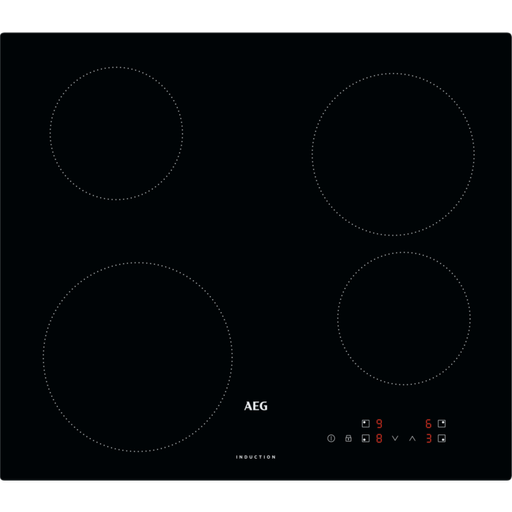 Image unavailable
Worth considering if your meals call for cooking in a frying pan or saucepan. Before choosing where to install it, check the cut-out, ventilation and connection requirements in the instructions.
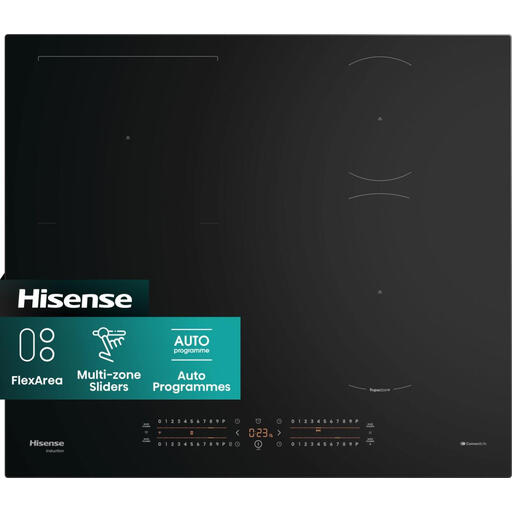 Image unavailable
If you prepare meals on a hob, measure the available space and check the electrical and installation requirements for the exact model.
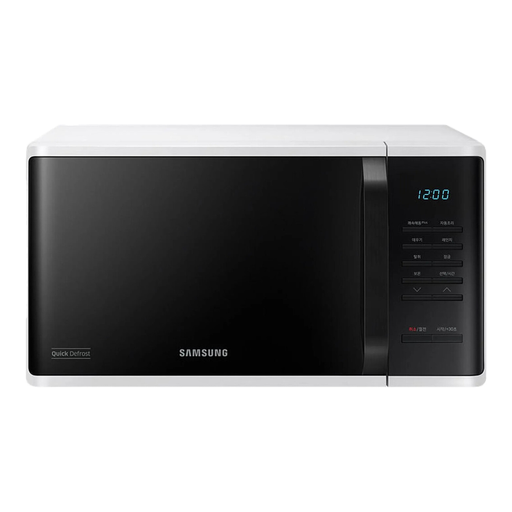 Image unavailable
Consider this if your main need is reheating or defrosting rather than replacing an oven. Check that the 23 L cavity is suitable for the containers you normally use.
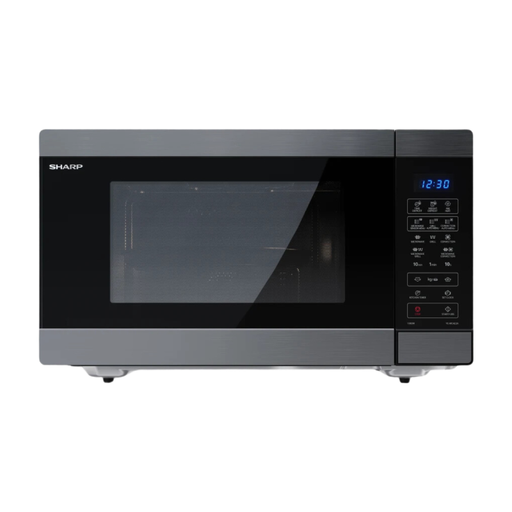 Image unavailable
If you want to combine several functions in one appliance, compare its modes with the recipes you usually make. Also check that the 42 L cavity, external dimensions and required clearances suit your kitchen.
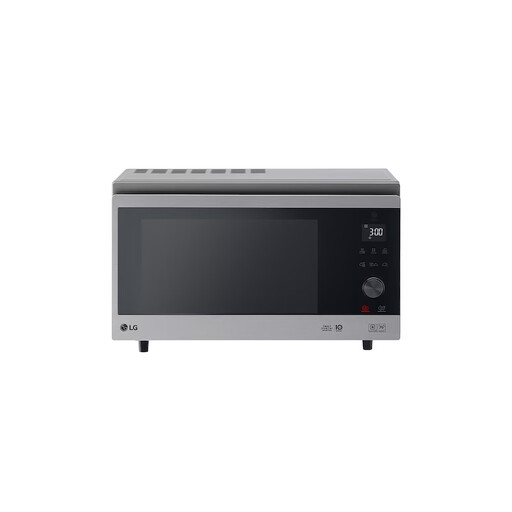 Image unavailable
Compare it with a separate oven if you’re looking to reduce the number of appliances in your kitchen. Check that the 39 L cavity is suitable for your dishes, then consult the instructions to plan its installation and clearances.
It can handle some oven cooking if its modes and cavity suit the way you cook and the size of your dishes. A 25 L combination microwave and a built-in oven won’t necessarily meet the same needs when it comes to batch cooking or cooking several things at once. Also compare how much space each appliance needs.
First, measure the cut-out or housing and check the model’s instructions for its power supply and installation requirements. Promotelec notes that high-powered household appliances need suitable circuits. If you’re planning any changes, have the installation checked before you buy.
No. Promotelec advises against connecting an oven and another high-powered appliance to an extension lead plugged into a single socket. Check the connections required by the instructions and make sure the existing circuits are suitable, rather than relying on an extension lead as an installation solution.
No. ADEME’s published figures are based on different usage frequencies for each appliance, including 409 cycles a year for an electric hob and 187 for a 63 L electric oven. When deciding what to install, compare these figures with your actual cooking habits and the capacity you need.