What should you check before choosing?
Induction
Worth considering if: your main pans are suitable for induction and your electrical installation can support the hob.
The trade-off: you may need to replace some cookware if its base isn’t compatible.
Ceramic
Worth considering if: keeping non-magnetic pans is a priority when replacing your hob.
Bear in mind: the ADEME’s reference energy consumption is higher for an average ceramic hob than for the induction hob included in its comparison. These figures are not measurements for every model.
Dual-fuel induction and gas
Worth considering if: you want to keep cooking with gas while also using induction with compatible pans.
The trade-off: your plans need to meet the requirements for space, electricity, gas connection and ventilation.
Once you’ve chosen a technology, compare each model with your cookware, existing cut-out and the way you use your cooking zones.
| Priority |
What to check |
What I need |
| Cookware |
For each induction zone, test the base of your pans with a magnet. Also check the compatible diameters in the model’s manual. |
I want to keep using my usual saucepans and frying pans, without finding out after installation that an induction zone doesn’t recognise them. |
| Electricity consumption |
In the ADEME table, based on 409 cycles a year, the figure is 200 kWh/year for an average ceramic hob and 115 kWh/year for the induction hob used in this comparison. These figures are not measurements for the models featured here. |
I’m interested in reducing the electricity I use for cooking, but I’ll compare hobs without treating these reference figures as a prediction of my future consumption. |
| Installation and connection |
Compare the cut-out, space beneath the worktop and connection diagram for the exact model. For induction, Enedis specifies, among other things, a dedicated circuit and a 30 mA Type A residual current device. With gas, also check ventilation requirements for your home’s layout. |
I’m replacing a built-in hob and want to know whether the new one will fit in my kitchen before I order it. |
| Cooking zone layout |
Count the zones you’ll actually have and check their dimensions. On a dual-fuel hob, identify which zones are gas and which are induction. Only factor in a flexible zone if the model you’re considering has one. |
I need a layout that suits the way I cook, whether I’m using several pans or a large dish. |
Joybuy hobs to replace your existing hob
This selection includes one ceramic hob and four induction hobs, one of which has an integrated extractor. First choose the technology that suits the way you cook, then check the installation requirements for each model.
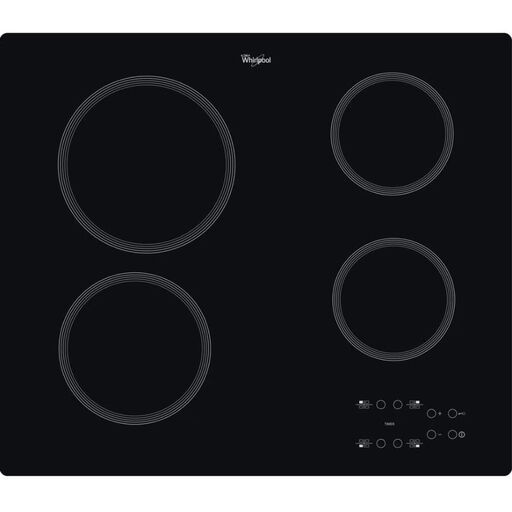 Image unavailable
Whirlpool AKT 801-NE, 4-zone ceramic hob
A four-zone option if you want to keep using pans that aren’t compatible with induction. Before replacing a built-in hob, compare the cut-out and electrical connection with the AKT 801-NE’s installation instructions.
View on Joybuy
 Image unavailable
TOPWISH, 60 cm built-in induction hob, 4 zones
Its four zones are suited to cooking several dishes at once, provided you use induction-compatible cookware. Check the installation dimensions, electrical circuit and cable configuration before installation.
View on Joybuy
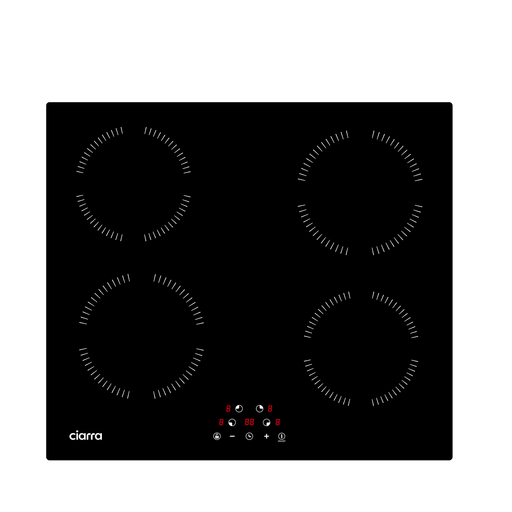 Image unavailable
CIARRA CABBIH4-A, 4-zone induction hob
This four-zone model has nine power levels and could suit an induction replacement if your cookware is compatible. Compare its cut-out and electrical requirements with your installation before choosing.
View on Joybuy
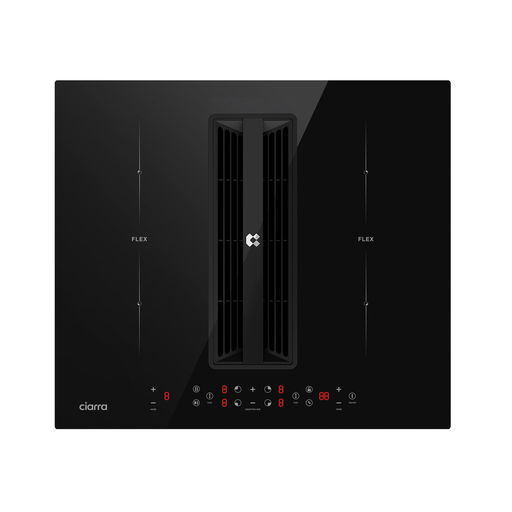 Image unavailable
CIARRA ONE CBBEH594BBFF, 59 cm induction hob with extractor
This model combines four induction cooking zones with an integrated extractor, making it an option if your replacement plans include extraction. Check the installation and ventilation space, electrical compatibility and the CBEHKIT installation accessories, which need to be purchased separately.
View on Joybuy
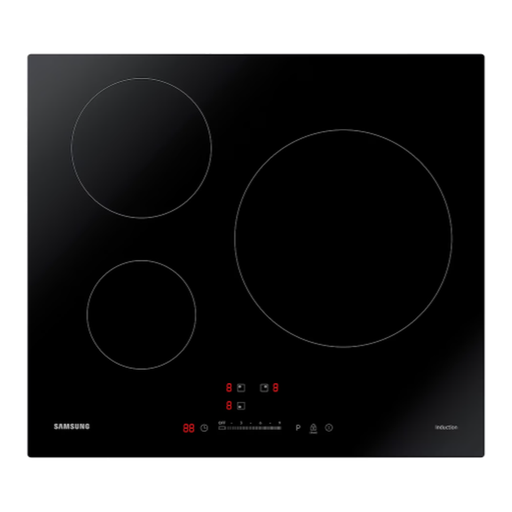 Image unavailable
Samsung NZ63M3707AK, 3-zone induction hob, 7 200 W
Its three zones are worth considering if they meet your everyday cooking needs. Use induction-compatible cookware and have the cut-out, clearances and dedicated circuit required for this model checked.
View on Joybuy
Frequently asked questions
How can I tell if my pans are suitable for induction?
Test the base with a magnet: Electrolux says it should stick. Then check the hob’s manual to see which pan diameters are suitable for the zones you’ll use.
Can I replace a ceramic hob with an induction one without any building work?
Not necessarily. Enedis says that an induction hob needs, among other things, a dedicated circuit and a 30 mA Type A residual current device. Have the connection checked, then compare the cut-out and clearances with the new model’s manual.
Will a dual-fuel induction and gas hob suit every kitchen?
No. You need to be able to install the necessary connections and provide suitable ventilation for gas cooking appliances, as GRDF reminds users. Check the width and cut-out of the dual-fuel hob you’re considering before buying.
Does induction always use less energy than a ceramic hob?
That can’t be guaranteed for every model and every use. Based on 409 cycles a year, the ADEME table gives figures of 200 kWh/year for an average ceramic hob and 115 kWh/year for the induction hob in its comparison. Your consumption will depend on the hob and how you use it.
Will a hob listed as 60 cm fit my existing cut-out?
The stated width alone isn’t enough to tell. Specifications for several Bosch hobs list their external dimensions, but you’ll need to compare the installation diagram for your chosen model with the measured opening and the space available beneath the worktop.


