
Livraison le jour même ou le lendemain

Qualité garantie

Débloquez vos offres de bienvenue: Livraison GRATUITE | Jusqu'à -80 % | 30 jours d'essai gratuits à JoyPlus
Téléchargez l'application
Finding the right pair of hiking shoes can sometimes feel like an uphill battle. Between marketing jargon and endless technical specs, it's easy to end up with an unsuitable model, turning your dream outing into a real ordeal. Who hasn't made the mistake of investing in a pair that seemed perfect in the store, only to end up with blisters, soaked feet, or dangerously poor grip?
To help you cut through the noise, we've broken down the two most common pitfalls and the technical criteria you should never, ever overlook.
To make the right choice, you need to understand a few technical concepts that make all the difference in performance and comfort.
A good hiking shoe must shield you from external moisture while wicking away sweat. It all comes down to the membrane.
The outsole is your only point of contact with the ground, so its design is crucial.
Comfort isn't just about flexibility. Ankle support and the quality of the cushioning are just as crucial for preventing fatigue and injuries.
Instead of a random laundry list, we've matched hiker profiles with models that precisely meet their needs and avoid the common pitfalls.
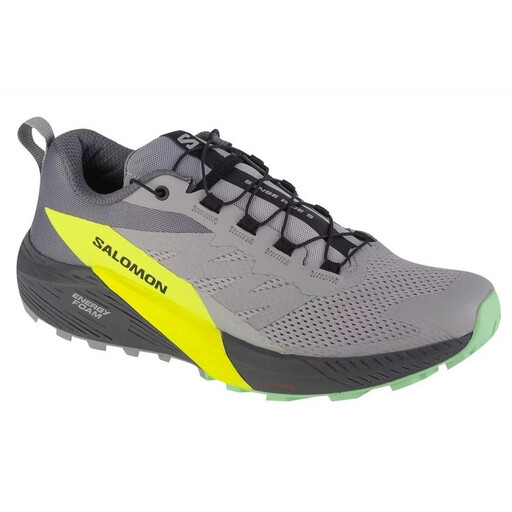
The profile: You're looking for lightness, responsiveness, and flawless grip for fast-paced outings on technical trails. The Sense Ride 5 is a benchmark for versatility, offering the right balance between cushioning to go the distance and agility on varied terrain.
Its All Terrain Contagrip sole is designed for versatile and reliable grip on both dry and wet surfaces. No more "jack of all trades, master of none" sole syndrome!
Its perfect balance between the cushioning and responsiveness of the Energy Foam sole. Its lightweight and breathable construction is built for performance.
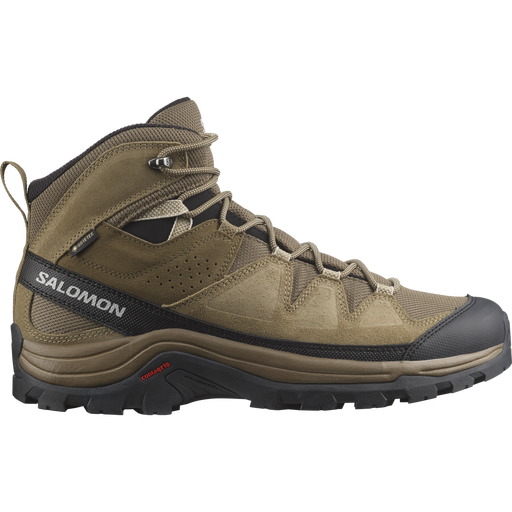
The profile: You're heading out for several days with a pack on your back. You need robustness, impeccable ankle support, and total protection from the elements. The quintessential long-distance men's outdoor shoe.
Its Gore-Tex membrane provides bulletproof waterproof-breathability. Say goodbye to feet stewing in sweat after hours of walking.
Its high-cut suede leather upper, a guarantee of durability and support. Its ultra-grippy Contagrip sole and reinforced structure ensure perfect stability, even with a heavy pack.
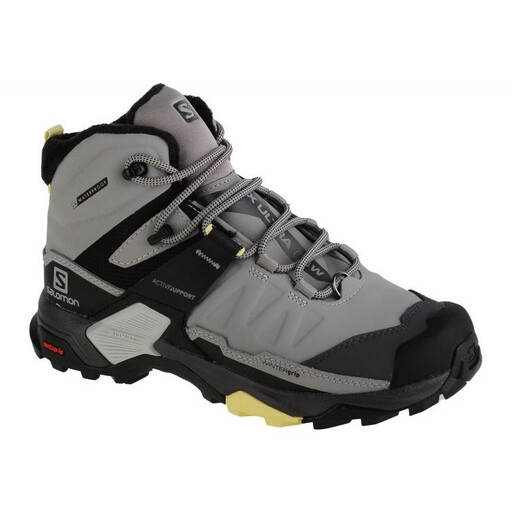
The profile: You're not afraid of the cold, snow, or icy trails. You're looking for warmth, waterproofing, and winter-specific grip without sacrificing agility.
This model combines a waterproof membrane with Thinsulate insulation. This provides dual protection against cold and moisture, where a merely "waterproof" shoe would quickly show its limits in thermal comfort.
Its Winter Contagrip sole, specially designed to grip on snow and ice. Its ADV-C Chassis stabilises the foot on the most rugged terrain.
Browse our full selection of models that meet our quality criteria and current standards.
Trail running shoes are sprinters: lightweight, flexible, with dynamic cushioning designed for running. Hiking shoes, on the other hand, are marathoners: more robust and structured, they prioritise support and foot protection for long-distance walking, often with a backpack. Their soles are also stiffer for better stability.
This is advice you hear everywhere, and for good reason. With exertion, and especially on descents, your foot swells and moves forward in the shoe. Sizing up by a half or even a full size prevents your toes from hitting the front and helps avoid the infamous "hiker's black toenail." The golden rule: once the shoe is laced up, you should be able to slide a finger between your heel and the back of the shoe.
To ensure your waterproof-breathable membrane retains all its properties, regular maintenance is essential.