Hikers who want proof of fair trade
You want to be able to check the mark on the specific product, rather than assume it is certified because the recipe is organic or the retailer has a general commitment to fair trade.


If fair trade is your priority, choose a mint whose specific product carries the Fairtrade/Max Havelaar mark. An organic or vegan claim isn’t enough. For hiking, also compare the recipe, pack size and storage instructions. Mints and chewing gum are extras, not a substitute for your main hiking provisions.
You want to be able to check the mark on the specific product, rather than assume it is certified because the recipe is organic or the retailer has a general commitment to fair trade.
You’re looking for a recipe with no declared sugars and also want to check the sweeteners, particularly polyols, and any warnings on the packaging.
You want a mint-flavoured sweet that’s easy to pack away, without mistaking it for the provisions you’ll need on your walk.
Start with the factor that really matters for your purchase: fair-trade proof, the recipe or portability. A mint may meet one of these needs without meeting the others.
| Criteria | What to check | Who is it for? |
|---|---|---|
| Fair-trade proof | Look for the Fairtrade/Max Havelaar mark on the exact product. For products made with several ingredients, read the information on the back about ingredients and traceability, as advised by Fairtrade / Max Havelaar France. | If fair-trade credentials matter more to you than flavour or pack size, you need to be able to spot the mark on the packaging. Around 36% of consumers put this proof at the top of their list. |
| Sugar-free recipe | Check the nutritional information, ingredients and any warnings relating to polyols. | If you’d rather avoid a sugary sweet for a break, what’s in it matters more than the mint flavour alone. Limiting sugar is a priority for around 29% of consumers. |
| Pack size and storage | Compare the quantity and type of packaging, and follow the instructions for protecting it from heat and moisture. | If your bag is exposed to changing conditions, you’ll want a pack that’s easy to store and keep closed. Portability and storage are priorities for around 21% of consumers. |
| Classic flavour | Compare the ingredients list and the amount of sugar per 100 g. | If you’re mainly after the taste of a classic mint, you’ll want to choose the recipe with all the facts in front of you. Around 14% of consumers prioritise flavour and a traditional recipe. |
These claims refer to different things. An organic or vegan recipe doesn’t, on its own, prove that the product carries the Fairtrade/Max Havelaar mark.
If fair trade is essential, check the logo on the exact packaging and, for a product made with several ingredients, read the information on the back.
‘Sugar-free’ doesn’t mean free from sweeteners. The product listing for Confiseo sweets sold by E.Leclerc warns that excessive consumption may have a laxative effect.
Check the ingredients and warning for the product you choose. Avoid eating a large quantity for the first time during a long walk.
A sweet chosen for its flavour or freshness won’t, by itself, provide the provisions you need for a hike.
Plan separately what you want to eat and drink on the walk, according to your route and needs.
Product listings for some Auchan mints and Ricola lozenges advise protecting them from these conditions.
Follow the instructions for your specific product and keep the pack closed in a dry part of your bag.
The range lets you compare a classic mint with a sugar-free option. Choosing a particular recipe doesn’t prove it has fair-trade certification.
The retailer’s range lets you compare a sweet, strong mint with sugar-free mint sweets.
The listing for its mint sweets describes ingredients from organic farming, including cane sugar and peppermint essential oil.
The sugar-free hard mint sweets listed by E.Leclerc are aimed at people who want to look at a sweetened recipe.
Lidl France says that its range includes Fairtrade/Max Havelaar-certified products. This commitment doesn’t automatically certify a particular mint.
This selection includes mints, a chewy sweet and mint- or menthol-flavoured chewing gum in handy on-the-go packs. If you’re looking for a Fairtrade-certified mint, check the mark on the packaging of your chosen product before buying.
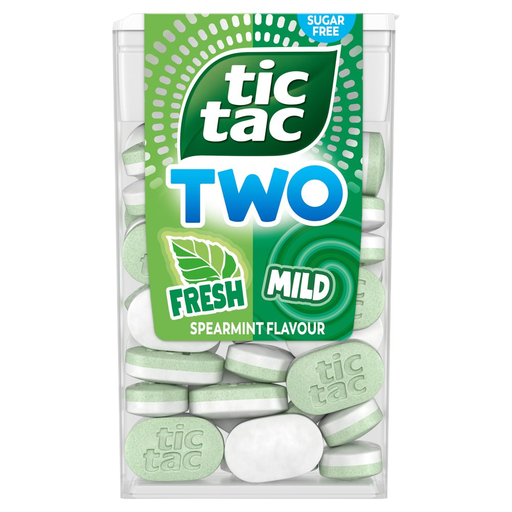 Image unavailable
Mint sweets for a break while you’re walking. The pack is listed as 38,5 g; check the ingredients and warnings for this sugar-free recipe before taking it with you.
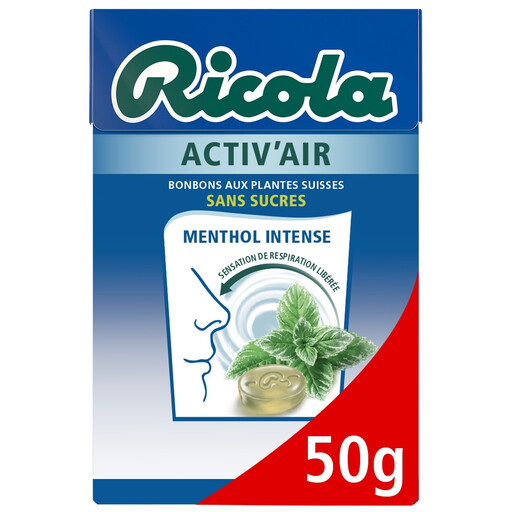 Image unavailable
A minty lozenge option to pop in your bag if you’d prefer a recipe described as sugar-free. The stated pack size is 50 g; check the ingredients and storage instructions on the packaging.
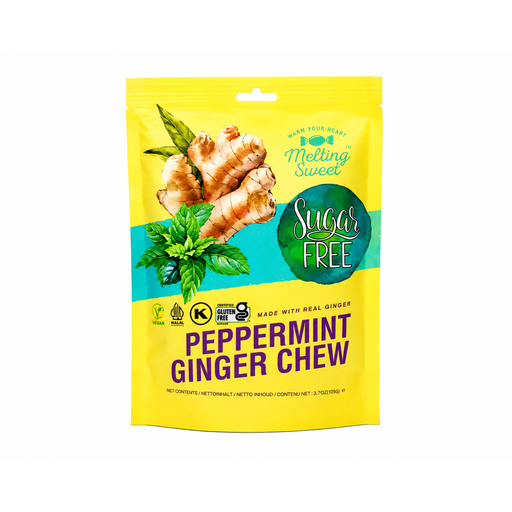 Image unavailable
Worth considering if you’d prefer a chewy sweet combining ginger and peppermint to a traditional lozenge. The pack is listed as 105 g; check the ingredients and make sure the pack size suits your bag.
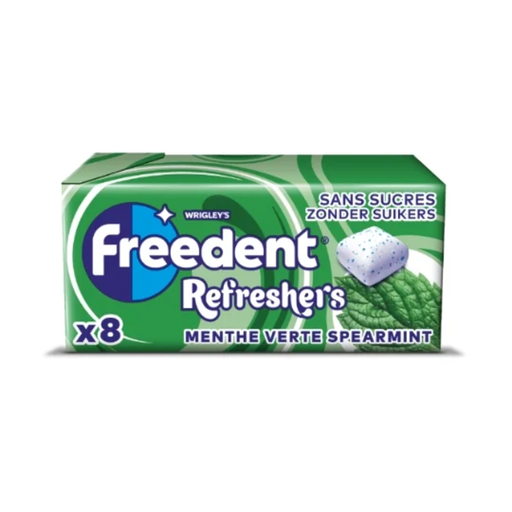 Image unavailable
Mint chewing gum rather than a lozenge or sweet, for anyone who prefers this format during a break. The listed pack weighs 18 g; check the ingredients list if the composition matters to you.
No. These claims don’t replace the Fairtrade/Max Havelaar mark on the product you buy. Fairtrade / Max Havelaar France also recommends checking the information on the back of packaging for products made with several ingredients, to identify the ingredients covered and their traceability.
Choose them if the declared sugar content is your main criterion, but check the ingredients too. A sugar-free Mentos product sold by Auchan lists 58 g of polyols per 100 g. For its Confiseo sweets, E.Leclerc warns that excessive consumption may have a laxative effect.
First, follow the instructions for the product you’re taking with you. Some Auchan and Ricola product listings advise protecting sweets from heat and moisture. Keep the pack closed and store it in a dry part of your bag.
When choosing a product in France, check its name, ingredients list and nutritional information. The Directorate-General for Competition, Consumer Affairs and Fraud Control sets out the food labelling rules. Also read any highlighted allergens and the product’s storage instructions.