
Livraison le jour même ou le lendemain

Qualité garantie

Débloquez vos offres de bienvenue: Livraison GRATUITE | Jusqu'à -80 % | 30 jours d'essai gratuits à JoyPlus
Téléchargez l'application
A woodland walk, a multi-day trek in the Alps or a trail run along the coast will not require the same equipment. Yet product descriptions often repeat the same promises: waterproof material, lasting comfort, generous capacity or enhanced protection. These claims are not enough to distinguish between two products.
Disappointing purchases generally result from three mistakes:
For men’s hiking shoes or men’s trail shoes, start by examining the sole. Well-defined lugs will be better suited to muddy, rocky or wet paths than an almost smooth sole. The type of rubber, tread depth and spacing between the lugs should match the terrain you use most often.
A high-cut hiking shoe provides greater support and protection around the ankle. A low-cut model prioritises freedom of movement and lightness. To choose the right size, measure both feet at the end of the day, wearing the socks you will use on your outings. The PELLIOT model featured in this selection, for example, specifies a foot length of 270 mm for EU size 44 and recommends choosing the larger size if you are unsure.
A membrane described as waterproof does not remove the need to follow the care instructions. Drying footwear too close to a heat source can damage certain materials and shorten the life of the shoe.
A 40 L hiking backpack will generally be suitable for a two- or three-day trip when your equipment is compact. The 40 L PELLIOT model weighs approximately 1.06 kg and has a recommended load of around 11 kg. It features an alloy frame, a hip belt and several compartments.
To choose a suitable backpack, measure the length of your back from the bone at the base of your neck to the top of your hips. Once adjusted, the backpack should transfer a significant proportion of the weight to the hip belt without restricting your breathing. Hip-belt pockets, trekking-pole attachments and side straps are useful, provided they match the equipment you actually carry.
For a day hike, a 10 to 20 L backpack may be sufficient. A waterproof foldable backpack is useful as an addition to your main luggage or for a lightweight outing. However, bear in mind that splash resistance does not guarantee protection if the bag is submerged.
A waterproof hiking jacket is primarily designed as an outer layer to protect you from rain and wind. Check its cut, the space available for adding a fleece and whether the cuffs or hood can be adjusted. The PELLIOT hardshell model featured below is described as windproof, abrasion-resistant and suitable for cold washing on a delicate cycle. It is recommended that you fasten the zips before washing and do not use a tumble dryer.
In cold weather, a men’s warm parka will be more suitable for breaks, journeys or low-intensity activities. The Superdry padded parka uses filling described as being made from 100% recycled polyester. As its fit is more tailored than that of many brands, the product description recommends choosing one size larger.
Finally, a UV-protective hiking hat with a wide brim can make sunny days more comfortable. The TOP-EX model is presented with waterproof nylon fabric, breathable mesh and UPF 50 protection stated by the manufacturer. This describes a product feature, but does not replace the usual precautions: sunglasses, covering clothing and sun cream depending on the conditions.
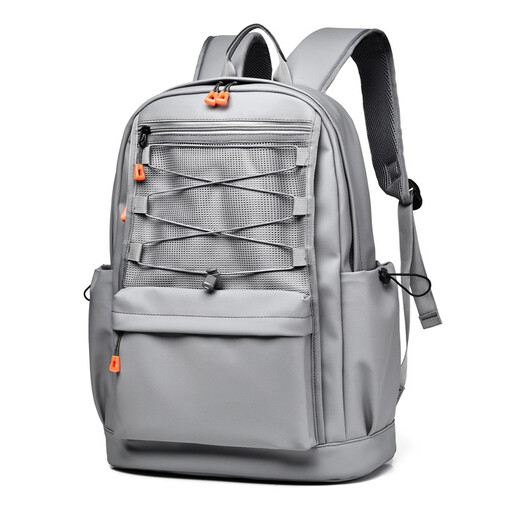
Why this choice suits this profile : its numerous compartments make it a practical companion for daily commutes, outings and first hikes with a moderate load.
Its pockets and adjustable shoulder straps help you organise the contents and adjust the fit, rather than choosing a capacity based solely on how it looks.
A versatile design, a construction described as lightweight and adjustable shoulder straps for travelling, going to lessons or hiking.
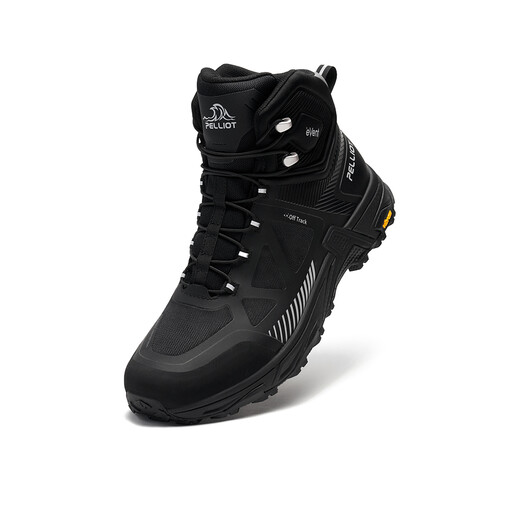
Why this choice suits this profile : these high-cut boots are designed for walkers seeking good support and protection suited to uneven trails.
The product description details the lugged rubber sole, toe guard and quick-lacing system, rather than relying on a general promise of durability.
A membrane described as waterproof, an abrasion-resistant upper, a protective toe cap and sizes specified according to foot length.
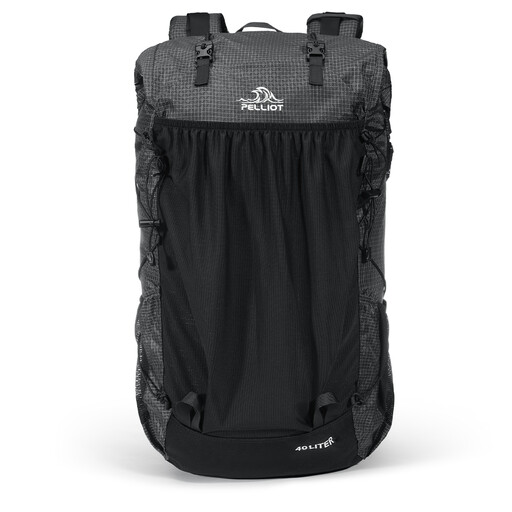
Why this choice suits this profile : its capacity and adjustment features are designed for multi-day treks, camping and routes requiring more equipment.
The torso length, hip belt and recommended load are specified, helping you avoid choosing a bulky backpack that does not suit your build.
An integrated frame, ventilated back panel, hip-belt pockets and attachments for trekking poles or sleeping mats.
We have put together a complete, real-time updated list of products that meet these strict selection criteria and European safety regulations.
To put together a well-balanced setup, start with the items that directly affect safety and comfort: suitable footwear, a correctly adjusted backpack and a protective outer layer. Then add accessories according to your route.
It all depends on the length of your outings and the type of terrain. To get started, focus on a suitable pair of shoes, a daypack and protection from the rain. Bivouac equipment, thermal clothing and technical accessories can be added gradually.
A capacity of 10 to 20 L is often suitable for an outing lasting a few hours. For a full day, 20 to 30 L provides more room. A 40 L backpack is more suited to a two- or three-day trek, depending on the amount of sleeping equipment, food and clothing you carry.
Air your footwear and clothing after every outing, clean fabrics according to the manufacturer’s instructions and avoid high temperatures when drying. For a technical backpack, use local cleaning with soapy water and regularly check the buckles, seams and fastenings.