What should you check before setting off?
First, choose packaging that suits when you plan to eat the chocolate: while walking or during a group break. Then read the label for the recipe you have chosen, especially if you plan to share it.
| What to consider |
What to check |
Who it matters to |
| Portions for the walk |
Number of individually wrapped pieces or whether you can prepare portions in advance; protection from the sun. |
If I’m eating during several breaks, I want to take an amount that’s easy to get out without handling the whole pack. Around 42% of consumers prioritise this kind of portioning while walking. |
| Sharing with a group |
Number of portions or inner bags; allergens in the exact recipe. |
For a group break, I want to choose something everyone can take without assuming the same recipe suits us all. Sharing is the main consideration for around 33% of consumers. |
| Ingredients and allergens |
Nutritional values per 100 g, the amount you plan to take, and allergens listed on the packaging. |
Before adding chocolate to the group’s snacks, I want to compare the sugar and fat content and check for ingredients to avoid. Around 25% of consumers put checking the label first. |
Formats to explore on Joybuy
These products show a few ways to take milk chocolate or chocolate-containing sweets with you: multipacks, tubes and a bag to share. The selection also includes a chocolate-coated cereal bar, which isn’t a bar made solely of milk chocolate.
 Image unavailable
Toblerone Milk, 3 × 50 g
The three 50 g bars make it easy to plan portions for different people or breaks. If everyone needs their own wrapper, check this on the packaging; also check the allergens and keep the chocolate away from the heat.
View on Joybuy
 Image unavailable
Milka Alpine Milk, 3 × 100 g
This multipack could suit you if you plan to share the bars between several people. Each bar weighs 100 g, so if you want smaller portions while walking, plan to break it up in advance. Check the allergens on the packaging and keep the chocolate away from the heat.
View on Joybuy
 Image unavailable
Smarties Hexatube, 6 × 34 g
The six tubes of milk chocolate sweets can be handed out during a break without opening a shared bag. Check the packaging to compare nutritional values and check the allergens before offering them to the group.
View on Joybuy
 Image unavailable
Maltesers, 192.5 g bag
The bag can be opened during a group break; plan how to share out the contents rather than relying on individual portions. The stated weight differs between the product title and description, so confirm the net weight on the packaging, along with the allergens, and keep the chocolate away from the heat.
View on Joybuy
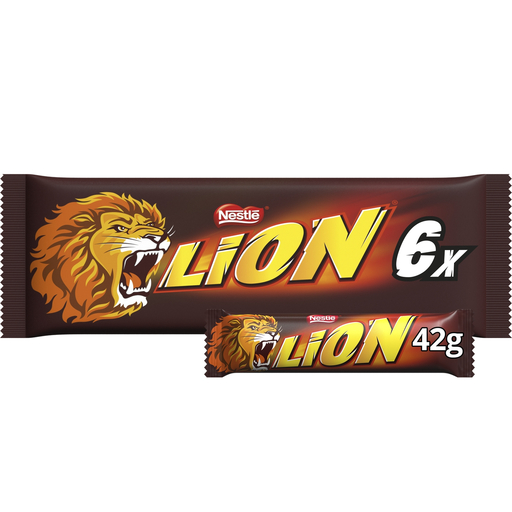 Image unavailable
Lion, 6 cereal bars, 42 g each
This multipack lets you take several bars on an outing or to share during a group break. These are cereal bars coated in milk chocolate, not bars made entirely of milk chocolate. Check the recipe for allergens and keep the bars out of the sun.
View on Joybuy
Frequently asked questions
Is Nutri-Score mandatory on milk chocolate in France?
No. According to Santé publique France, displaying it is voluntary. The DGCCRF says nutritional declarations are mandatory for most prepacked foods. Use the values per 100 g and the ingredients list to compare two products, even if one doesn’t display Nutri-Score.
Does France’s tax on sugary drinks apply to solid milk chocolate?
No. The levy set out in Article 1613 ter of the General Tax Code, published on Légifrance, applies to drinks and liquid preparations for drinks under the conditions set out in that provision. To find out how much sugar solid chocolate contains, read its nutritional declaration.
Is a large bag suitable for a hike in hot weather?
Only if you can organise how to share it and keep it away from the heat. The French Hiking Federation advises avoiding chocolate when the sun is strong. If it’s sunny, take a different snack and plenty of water.
What should you read on the packaging before sharing chocolate?
First, check the ingredients and the allergens highlighted for the exact recipe. Then look at the net weight, nutritional values per 100 g and the date shown on the packaging. This information will help you prepare portions and compare products.


