
Livraison le jour même ou le lendemain

Qualité garantie

Débloquez vos offres de bienvenue: Livraison GRATUITE | Jusqu'à -80 % | 30 jours d'essai gratuits à JoyPlus
Téléchargez l'application
Preparing for a hike, wild-camping trip or weekend at a campsite is not simply a matter of adding accessories to a list. An overfilled rucksack soon becomes noticeable, a poorly sized tent can be uncomfortable, and fabric described as waterproof may sometimes offer little more than resistance to a shower. To choose hiking and camping equipment suited to outdoor trips in France, it is better to rely on concrete data than vague promises.
A 40 L trekking rucksack may be suitable for two or three days, but its capacity alone does not guarantee comfortable carrying. Also check its empty weight, maximum load, recommended back length and whether it has a hip belt. Once filled to capacity, a rucksack can become uncomfortable if most of the weight rests on your shoulders.
The terms water-repellent, splash-resistant and waterproof do not indicate the same level of protection. Water-resistant fabric may be sufficient for everyday journeys, but wild camping in persistent rain calls for a tent with precise technical data, such as its hydrostatic head rating. Seams, zips and the design of the rain flap are also important.
A lightweight accessory may seem practical in the shop, but the space it takes up when folded is just as important. A folding camping table, insulated sleeping mat or ultralight rucksack must fit in your boot, main bag or designated compartment. Always check the packed dimensions, not just those of the product when fully opened.
For a two- to three-day trip, a 40 L capacity can hold clothing, food, a wash bag and a compact sleeping bag. However, the stated capacity is not everything: how the load is distributed matters more.
The PELLIOT model weighs approximately 1.06 kg, has a stated load capacity of around 11 kg and offers two back-length ranges depending on the size. Before choosing, measure the distance between the bone at the base of your neck and the top of your hips.
For a camping tent for 3 to 4 people, a 3,000 mm hydrostatic head indicates the pressure from water that the fabric can withstand during the stated test. This figure alone cannot predict how the entire tent will perform: the quality of pitching, the tension of the fabric and the condition of the seams also matter. Use the guy lines in windy weather and do not use the tent during severe thunderstorms.
For clothing and accessories, also examine the fabric composition and cut. A wide-brimmed UPF 50+ UV-protection hat will generally cover more of your face and neck than a breathable running cap. The UPF rating relates to the protection provided by the fabric according to the assessment method used; it does not replace the usual precautions needed in the sun.
An expandable travel bag or lightweight shoulder bag is suitable for journeys where the contents vary, but it is not a substitute for a hiking rucksack with a proper carrying system. For everyday travel, a 22 L everyday rucksack may be sufficient for documents, sportswear and a few accessories.
Remember to check the care instructions too. Some fabrics can only be cleaned with a damp cloth and must be left to air-dry. Prolonged exposure to sunlight, machine washing or the use of harsh products can affect the material’s properties.

Why this choice suits this profile : Its foldable design slips easily into a main bag or suitcase for excursions, sightseeing and occasional outings.
The product name specifies the 30D nylon, foldable design and stated water resistance; however, check the capacity before taking it on a long hike.
A foldable design geared towards hiking, with a reduced weight that is particularly useful when every gram counts.
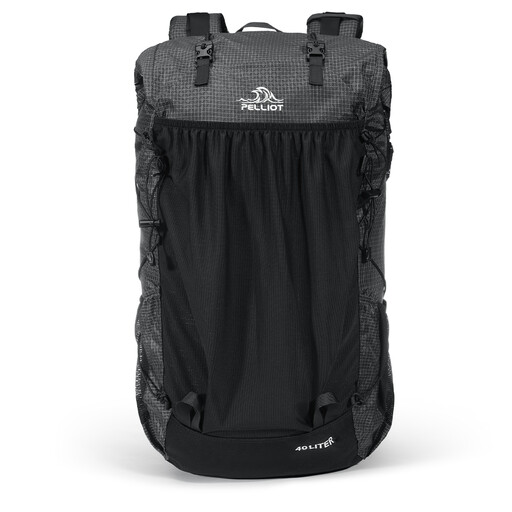
Why this choice suits this profile : Regular hikers carrying a substantial amount of equipment will appreciate the adjustment options and various storage compartments.
The product details specify the back length, hip-belt size, approximate load and capacity: all useful information to compare before ordering.
Alloy frame, ventilated EVA back panel, multiple pockets and attachment points for walking poles or a mat.
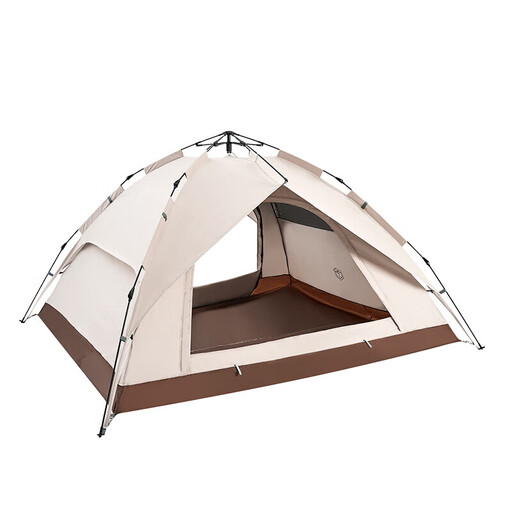
Why this choice suits this profile : Its dual-layer design and automatic opening make it suitable for families and campers who want to reduce pitching time.
The capacity of 3 to 4 people and the stated 3,000 mm hydrostatic head are listed separately: check the space actually available for luggage.
Double-layer fabric, automatic pitching and clear usage warnings for strong winds or severely खराब weather.
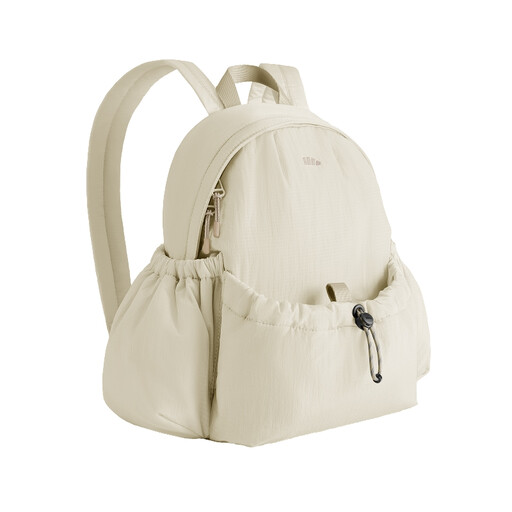
Why this choice suits this profile : It is suitable for commuting, short hikes and days when the amount of space you need varies depending on your plans.
Both capacities are specified: 10 L in its standard configuration and 13 L when expanded. Its splash resistance should not be confused with protection against immersion.
Lightweight nylon, well-organised compartments, comfortable shoulder straps and a stated 30% capacity extension.
We have put together a complete, real-time updated list of products that fully meet these strict selection criteria and European safety regulations.
For sleeping, compare the temperature rating of your sleeping bag, its compressed volume and its shape. A cotton sleeping-bag liner, such as the 210 × 75 cm NatureHike model with a pillow compartment, can improve hygiene and comfort, but it does not replace the insulation provided by your main sleeping bag.
On damp or cold ground, an insulated sleeping mat provides a useful barrier. The 35 × 45 cm aluminium sit mat is better suited to a break or picnic than to genuine wild camping: it will not replace a sleeping mat. For meals, a 2.5 kg folding camping table supporting up to 30 kg according to its stated load capacity may be suitable, provided this limit is respected.
A 30 to 40 L rucksack may be suitable for two days if your equipment remains compact and the weather allows you to limit the amount of clothing you take. Choose a larger one if you are carrying a tent, a bulky sleeping bag or food for several people.
It can accommodate three or four people, depending on their build and the amount of luggage. For greater comfort, check the ground dimensions, interior height and available space in the porch before buying.
Dry tents and textiles completely before storing them, remove soil with a soft brush and follow the manufacturer’s instructions. Avoid harsh products, naked flames and prolonged storage in a damp place.