
Livraison le jour même ou le lendemain

Qualité garantie

Débloquez vos offres de bienvenue: Livraison GRATUITE | Jusqu'à -80 % | 30 jours d'essai gratuits à JoyPlus
Téléchargez l'application
A trip in the Vosges, a trek in the Alps or a camping weekend on the Atlantic coast will not require the same equipment. Yet product descriptions often make the same promises: complete waterproofing, record-breaking lightness and resistance to all conditions. To put together a well-matched hiking and camping equipment setup, the most important thing is to consider the technical specifications alongside how you will actually use the gear.
A jacket may be described as waterproof without the product information specifying the type of membrane, how the seams are constructed or the conditions it is genuinely designed for. A waterproof hardshell jacket must also block out wind and effectively release moisture during exertion. For a tent, check that it has an outer flysheet, a protective groundsheet and properly designed seams.
An ultralight rucksack or tent can quickly become uncomfortable if its capacity, ventilation or durability do not suit your route. A 40 L trekking rucksack intended for several days should, in particular, offer effective back adjustment and a hip belt that distributes the weight properly.
Waterproof hiking shoes should not be chosen solely according to your everyday shoe size. Consider the thickness of your socks, the space your toes need on descents and foot swelling at the end of the day. For technical clothing, measure your chest and check that you will be able to add a mid-layer.
For a tent, the millimetre hydrostatic head rating provides a technical indication of how well the fabric withstands water pressure. The ochama×J.ZAO double-layer tent, for example, states that its outer fabric has a hydrostatic head of 3,000 mm. This does not necessarily mean it is intended for violent storms or extreme conditions: the anchoring, the type of ground and the tension of the guy lines remain essential.
A 4-season tent should also be assessed in terms of its weight, ventilation and structure. The NatureHike P-Series model for two people states a weight of 1.65 kg, dimensions of 200 × 130 × 100 cm and UV protection. These details help you assess its packed size compared with that of an ultralight one-person camping tent.
The rucksack’s capacity depends on the length of your trip and the equipment you need to carry. A 40 L model may be suitable for a two- or three-day trek if your equipment remains compact. The PELLIOT 40 L weighs approximately 1.06 kg and has a stated load capacity of around 11 kg. It also features an alloy frame, hip-belt pockets and attachments for poles or a sleeping mat.
Measure your back length before ordering: the S/M and L/XL sizes of this rucksack correspond to different torso lengths. Approximate adjustment can ruin comfort, even when the rucksack is perfectly organised.
For hiking shoes, examine the sole type, lug depth and ankle support. The PELLIOT shoes featured here have a lugged rubber sole, toe protection and a membrane described as breathable and waterproof. The product information recommends choosing the larger size if you are between two sizes.
Adjustable hiking poles must remain securely locked after adjustment. The Mobi Garden model has three sections, an external locking system, an EVA foam handle and a tungsten carbide tip. Rubber tips are supplied for paved surfaces. These poles support you while walking, but are not designed to bear your full body weight.
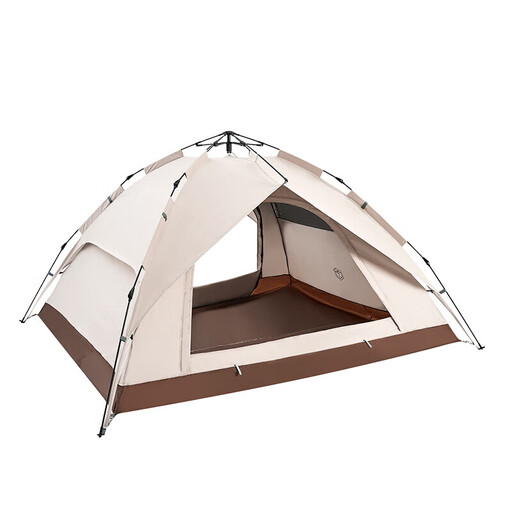
Why this choice suits this profile : Its automatic opening makes pitching easy, which is a real advantage for first camping trips and family outings.
The product information mentions a double-layer design and a stated resistance of 3,000 mm, rather than making a vague waterproofing claim.
Capacity for 3 to 4 people, a coated outer flysheet and simple push-button pitching.
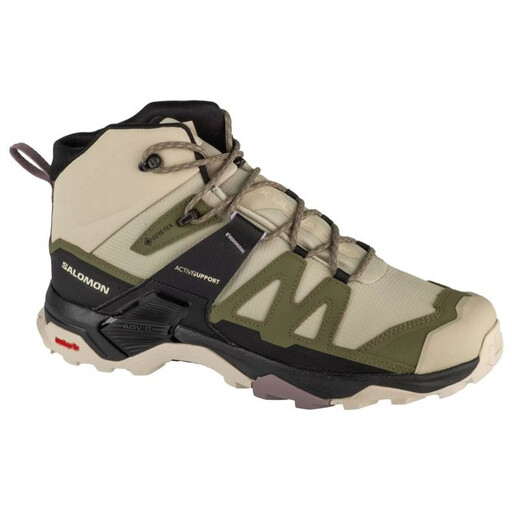
Why this choice suits this profile : This shoe is designed for those who want a clearly identified membrane and mid-cut support.
The product information details the GORE-TEX membrane, Contagrip MA sole and mid-cut construction: three tangible features to check before buying.
A waterproof membrane, rubber sole and EnergyCell midsole.
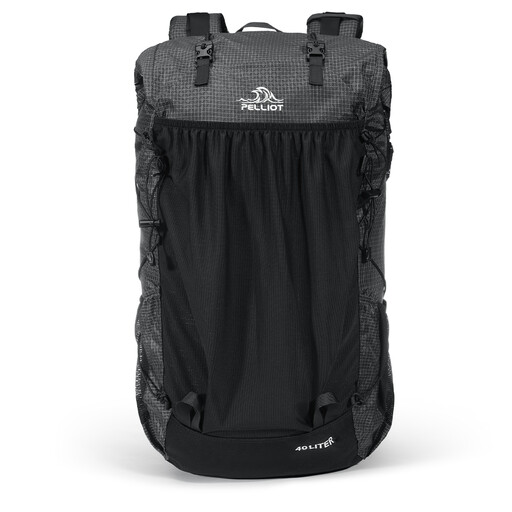
Why this choice suits this profile : Its capacity, adjustment options and attachment points suit multi-day treks, provided the load is organised properly.
The product information details the alloy frame, adjustable hip belt and torso-length ranges, making it easier to check compatibility.
40 L capacity, plenty of pockets, a ventilated back and a stated load capacity of around 11 kg.
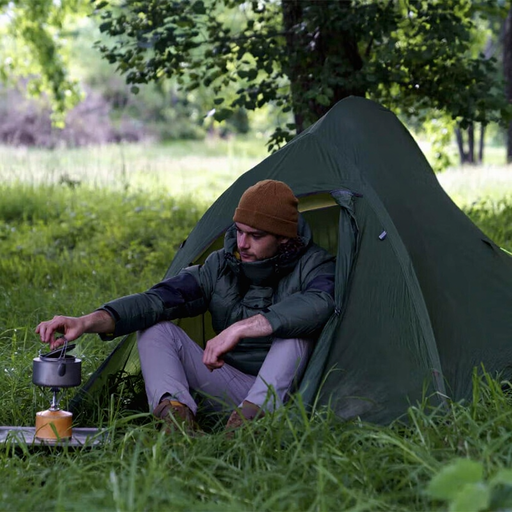
Why this choice suits this profile : This ultralight tent is aimed at solo hikers who want to keep weight down on three-season routes.
The product information distinguishes three-season use, the 1.33 kg weight and the fabric and groundsheet waterproofing ratings.
Silicone-coated nylon, 7001 aluminium poles and mesh to promote ventilation.
We have brought together a comprehensive selection, updated in real time, of products that meet these demanding criteria and European safety standards.
Trekking equipment does not stop at the tent and shoes. A powerful rechargeable torch can be useful at a bivouac, for finding your way or in an emergency. The Olight Marauder Mini 2 states a maximum output of 10,000 lumens, a range of 750 metres, five lighting modes and a 7,500 mAh lithium-polymer battery. Output this powerful means you must never look directly into the beam and should allow the torch to cool when operating at its highest setting.
On sunny days, a wide-brimmed UV-protection hat protects your face, neck and ears better than a standard cap. The PELLIOT model states UPF50+ protection and has an adjustable cord. This rating applies to the fabric and does not replace the other precautions needed in the sun.
Finally, choose your sleeping bag according to the expected temperature, your body shape and its compressed volume. A cotton sleeping-bag liner can complement your equipment, but it does not replace the insulation provided by the main sleeping bag. After every outing, dry all textiles and the tent completely before storing them, to prevent unpleasant odours and mould.
Take shoes that are already comfortable and broken in, a waterproof jacket, a properly adjusted rucksack, a tent suited to the number of occupants, a sleeping bag, a rechargeable torch, water, a first-aid kit and sun protection. Also check the weather forecast and find out about local rules concerning bivouacking.
It depends on how often it is used, friction, exposure to UV rays and maintenance. Clean shoes by hand, air-dry tents and regularly inspect zips, poles, seams and adjustment systems. Replace any component showing a tear, crack or faulty locking mechanism.
No. A 4-season tent may be heavier and less well ventilated than a three-season model. It is mainly worthwhile when wind, cold or snow are expected. For summer camping or a trek in mild weather, compare weight, ventilation, interior space and ease of pitching instead.