Hikers who like to plan short breaks
You want a snack that fits in your rucksack and is easy to open without starting a large pack. FFRandonnée recommends choosing small, lightweight foods and tailoring your snacks to your route.


For a hike, start by choosing a cake or biscuit that comes in individual portions and is easy to carry. Then check its ingredients and nutrition information against the length and conditions of your walk. FFRandonnée recommends taking small, lightweight foods and avoiding chocolate in strong sunshine. An individually wrapped snack is no substitute for checking allergens and nutritional information, or for taking water with you.
You want a snack that fits in your rucksack and is easy to open without starting a large pack. FFRandonnée recommends choosing small, lightweight foods and tailoring your snacks to your route.
You prefer to compare the sugar, fat and amount per sachet, or need to check allergens for a specific product. An individual portion tells you nothing about the recipe on its own.
You’re considering a madeleine or chocolate biscuit for a leisurely outing. In that case, space in your rucksack and exposure to the sun matter just as much as whether you fancy something soft or crunchy.
Start with the packaging and carrying conditions, then compare the ingredients and nutrition information for the portion you plan to take.
| What to consider | What to check | Who this matters to |
|---|---|---|
| Format and portability | Number of sachets, amount per sachet and protection against being squashed. | If I want to open a small snack without opening the whole pack, the packaging comes first; around 33% of consumers prioritise this. |
| Snack ingredients | Sugar and fat per 100 g, then the amount you’ll actually eat. | For a long or strenuous walk, I’d rather check the ingredients than choose on taste alone; this is the priority for around 33% of consumers. |
| Ingredients and allergens | The ingredients list and any allergens highlighted on the packaging for the exact variant. | If I need to avoid an ingredient, I check each recipe before putting it in my rucksack; around 20% of consumers put this check ahead of other criteria. |
| Available packaging | Whether it contains separate portions and the total quantity in the pack on offer. | I look for a format I can find and divide between my breaks, without assuming a large pack contains sachets; around 14% of consumers put this first. |
A sachet makes a snack easier to carry, but you still need to consider how long you’ll be walking and what other food you’re taking. FFRandonnée recommends choosing biscuits that aren’t too sugary or high in fat while exercising.
Check the amount per sachet and the nutritional information, and remember to take water too.
FFRandonnée recommends avoiding chocolate in strong sunshine. A chocolate biscuit can also make a mess in your rucksack.
For a hot-weather outing, consider a biscuit without chocolate and protect your portions from being squashed.
Ingredients can vary from one recipe to another. The French Ministry of the Economy states that allergens must be highlighted in the ingredients list on pre-packed foods.
If you need to avoid an ingredient, check the packaging of the exact product before taking it with you.
The total pack size doesn’t tell you how many sachets it contains, or whether the biscuits are individually wrapped.
Check the number of portions and the amount per sachet before deciding what to put in your rucksack.
Worth considering if you’d prefer a madeleine in a sachet to a dry biscuit: St Michel describes its Madeleines with 30% less sugar as individually wrapped.
Auchan includes a selection of LU Pocket products in its range of individually portioned snacks.
Auchan’s range of individually portioned snacks includes biscuits in separate sachets.
E.Leclerc offers a range of own-brand biscuits, including breakfast and cereal biscuits.
Carrefour’s range includes Pocket biscuits, plain biscuits and shortbread.
Lidl may be worth considering if you shop in store and check its current range.
These products offer formats worth considering for planning your breaks: a cake, a chocolate biscuit and Snow Cake in sachets. Compare their packaging and ingredients with the heat and length of your outing; they may not all suit the same purpose.
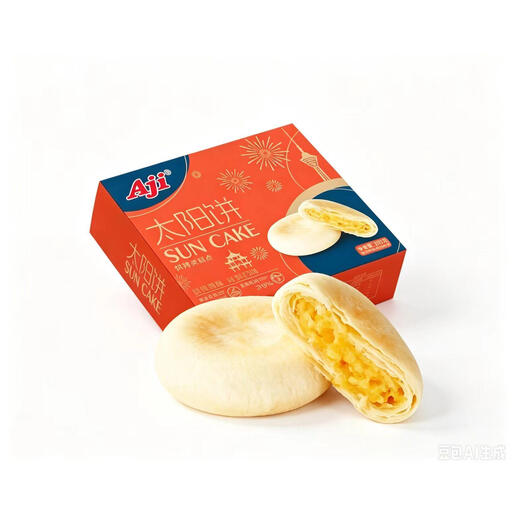 Image unavailable
If you want to plan a few short breaks, check how many sachets there are and how much you’ll take with you. The title states 108 g: check the net weight on the packaging for this variant before comparing portions.
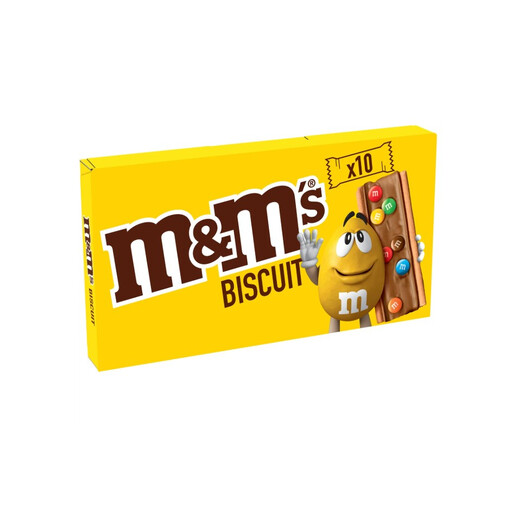 Image unavailable
The X10 format could work well if you want to spread biscuits across several breaks; check the amount per unit on the pack. As these are chocolate biscuits, bear the temperature in mind: FFRandonnée recommends avoiding chocolate in strong sunshine.
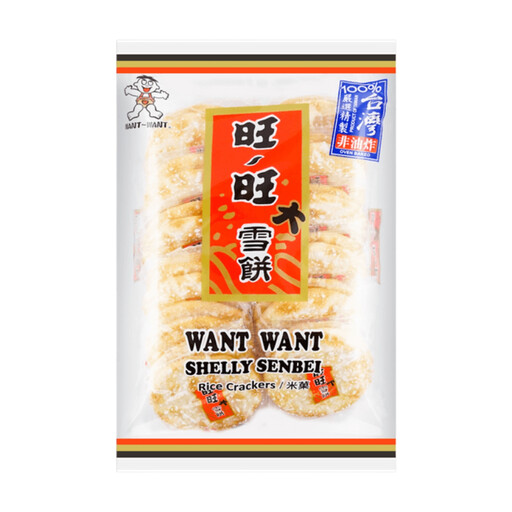 Image unavailable
The 12 sachets listed mean you can choose how many portions to put in your rucksack. If sugar or allergens affect your choice, compare the nutritional information and ingredients list for this specific product before setting off.
Not necessarily. It can make a handy addition to a break, but it doesn’t replace water or the other food you’ll need, depending on the length and type of route. FFRandonnée recommends adapting your snacks to the outing.
A biscuit without chocolate avoids the problem of a chocolate coating being exposed to the sun. FFRandonnée recommends avoiding chocolate in strong sunshine; you should also protect your portions from being squashed in your rucksack.
Compare the nutritional information per 100 g, then check the amount per sachet and the number of portions you’ll take. This second check helps you avoid confusing the values per 100 g with those for your snack portion.
Check the ingredients list for the exact product to find any highlighted allergens, then look at its nutrition table for the values per 100 g. The French Ministry of the Economy explains the rules for highlighting allergens, while the DGCCRF describes how nutritional declarations should be presented on pre-packed foods.