The wrong backpack can turn the most beautiful hike into a nightmare. Poorly distributed weight, straps that dig into your shoulders, not enough space for the essentials… these are headaches you can easily avoid by choosing the right model.
This guide is here to help you navigate the jungle of backpacks, whether you're planning a multi-day trek or a simple walk in the woods.
Buyer's Guide: Key Criteria for Your Backpack
Before diving into our selection, let's review the essential criteria for finding the perfect trail companion.
1. Capacity: A Volume Suited to Your Adventures
A pack's capacity, measured in litres (L), is the first criterion to consider. It directly depends on the length of your outings and the gear you carry.
- Day Hikes (10-25 L): Perfect for carrying a jacket, water, a picnic, and a few accessories. A lightweight backpack is a key factor here.
- Weekend Hikes (30-50 L): Ideal for 2 to 3-day excursions. A 40L backpack is often the sweet spot, offering enough room for a compact sleeping bag, a change of clothes, and food.
- Trekking and Long-Haul Trips (50+ L): For adventures of a week or more that require a tent, cooking gear, and provisions. This is where you'll need a trekking backpack.
2. Comfort and Ergonomics: The Key to a Comfortable Carry
A good backpack should feel like it's not even there. To achieve this, several adjustable elements come into play:
- The Back Panel: It must be padded and, most importantly, ventilated to wick away sweat. The best systems create a suspended mesh between your back and the pack for maximum airflow.
- The Shoulder Straps: Opt for padded, ergonomic straps with an "S" shape.
- The Hip Belt: Essential for packs over 30 L, it transfers the majority of the weight (about 70-80%) to your hips. Your shoulders and back will thank you!
- The Fit: Torso length is an often-overlooked yet crucial criterion. Many packs offer adjustment systems to fit your body type. Note that there are specific women's backpacks and men's backpacks, designed to fit different anatomies.
3. Materials and Practical Features
The durability and practicality of your pack depend on its design.
- Water Resistance: Let's be clear: very few packs are 100% waterproof. Most models are made of water-repellent fabrics, which are sufficient for a passing shower. To face a real downpour, a waterproof backpack or, more commonly, an integrated or separately sold rain cover, is essential.
- Storage: Side pockets for water bottles, a lid pocket, hip belt pockets to keep a smartphone or a cereal bar handy, compression straps… these details make all the difference in practice.
- Versatility: Some models are designed for versatility and are just as at home on the trails as they are in the city. This is a plus if you're looking for a do-it-all travel backpack.
Top Backpack Picks to Consider
We have selected three models that stand out for their design and performance, each tailored to a specific use.
1. PELLIOT 40L Trekking Backpack – The Ally for Multi-Day Hikes
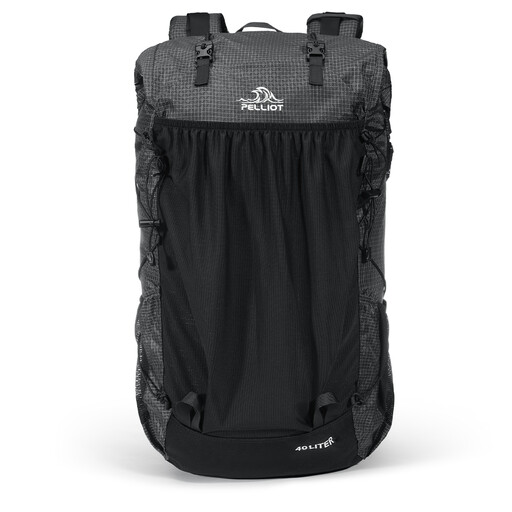
Why It Stands Out This pack is all about long-haul comfort. Its integrated alloy frame ensures a near-scientific load distribution, transferring weight to the hips. Its dynamic harness technology allows the shoulder straps to follow your movements, reducing fatigue.
Advantages
- Optimised load transfer thanks to the alloy frame, which relieves the shoulders.
- Dynamic harness that follows the body's movements for greater comfort.
- Excellent back ventilation (3D breathable EVA panel and airy mesh).
- 40 L volume and numerous attachment points, perfect for 2 to 3-day treks.
Who Is It For? For long-distance hikers looking to minimise fatigue on multi-day trips with a moderate load (up to 11 kg). Comfort above all else.
2. PELLIOT 20L Trail Running Backpack – For Fast and Light Outings
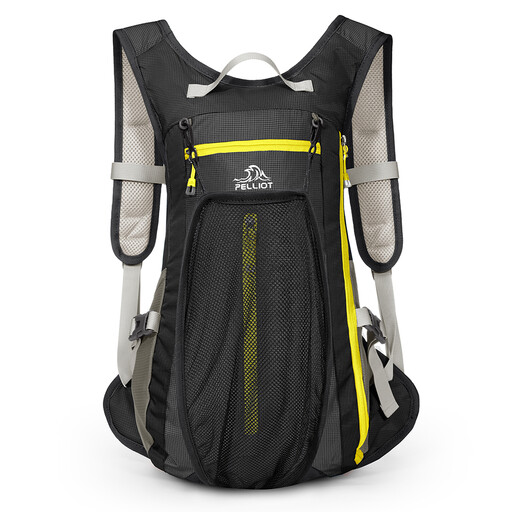
Why It Stands Out This model is built for performance during intense activities like trail running or mountain biking. Its S.L.F. (Stable, Lightweight, Fast-access) design keeps it snug against your back to prevent bouncing, while its feather-light weight lets you focus on your effort.
Advantages
- Ergonomic harness for ideal weight distribution and reduced pressure.
- Feather-light weight to feel weightless during your workout.
- Ripstop fabric resistant to abrasion and tears.
- Quick access to water, tools, and snacks thanks to multiple pockets.
Who Is It For? For trail runners, mountain bikers, and day hikers who want a minimalist, stable, and ultra-light pack to carry the bare essentials without being weighed down.
3. Beneunder LC183 10L Expandable Backpack – The Champion of Versatility
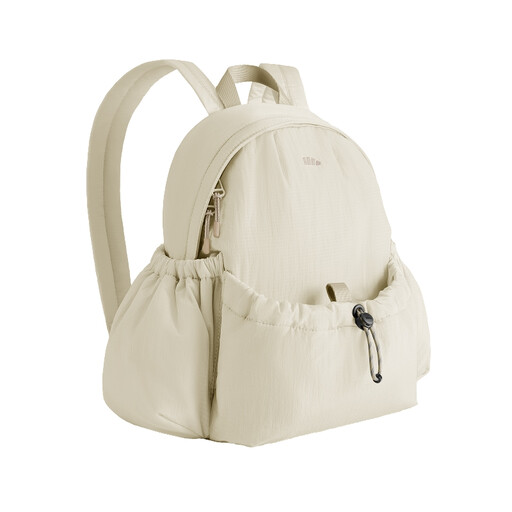
Why It Stands Out Its key feature: versatility. Made from a nylon that is both soft and durable, it hides a clever expansion system that increases its capacity by 30% in a flash, going from 10 to 13 L.
Advantages
- Expandable volume for maximum flexibility.
- Ultra-light (approx. 235 g) and easy to pack down.
- Water-repellent and stain-resistant fabric, able to withstand a light rain.
- Well-designed storage to organise your daily essentials.
Who Is It For? For urban nomads looking for a travel backpack or a do-it-all bag that can go from the office to the gym, and even on a spontaneous short hike.
Looking for Other Options?
This selection focuses heavily on hiking. If you're looking for a practical bag for shopping or daily use, take a look at our dedicated collection.
Discover our range of market bags
Frequently Asked Questions
What size backpack for a 3-day hike?
For a 3-day hike with two nights in a hut or with lightweight camping gear, a pack with a capacity of 35 to 45 litres is generally the right size. A 40L backpack, like the PELLIOT model in our selection, is an excellent compromise for carrying a sleeping bag, sleeping pad, change of clothes, food, and safety gear without being overloaded.
How do you properly adjust a hiking backpack?
A fine-tuned fit is crucial. To start, load your pack with 7 to 10 kg.
- Loosen all the straps.
- Position the hip belt: it should rest on the top of your hips (on your iliac crest). Tighten it firmly, but without restricting your breathing.
- Tighten the shoulder straps: they should conform to the shape of your shoulders but not bear the main load.
- Adjust the load lifters (the small straps above your shoulders) to pull the top of the pack closer to your back.
- Clip the sternum strap: it stabilises the pack and prevents the shoulder straps from slipping. Position it across your sternum, without hindering your breathing.
Are hiking backpacks truly waterproof?
Pay attention to the terminology: most packs are "water-resistant," not "waterproof." The fabric is treated to withstand a light rain, but not a downpour. In heavy rain, water will eventually seep through the seams or zips. The only reliable solution for total protection is a rain cover. Some packs include one, which is a real bonus.


