
Livraison le jour même ou le lendemain

Qualité garantie

Débloquez vos offres de bienvenue: Livraison GRATUITE | Jusqu'à -80 % | 30 jours d'essai gratuits à JoyPlus
Téléchargez l'application
Whether you're planning a simple walk in the woods, a multi-day mountain trek, or a trip to the other side of the world, choosing the right backpack is a crucial step. The wrong model can quickly turn a pleasant outing into a total ordeal. With the overwhelming number of models available, it can be hard to know where to start.
This guide is here to provide clear, practical benchmarks for choosing the hiking backpack that's perfectly suited to your needs, breaking down the essential criteria: capacity, comfort, and features.
Before diving into our selection, here are three key points to keep in mind to guide your choice.
A backpack's volume, expressed in litres (L), is the first criterion to consider. It directly depends on the duration of your adventures and the amount of gear you need to carry.
Even a heavy pack can remain comfortable if it is well-designed and perfectly adjusted. Pay close attention to the following points:
In the field, the details often make the difference. A lightweight backpack will reduce fatigue, while a waterproof backpack will keep your belongings dry. Also consider an expandable backpack, which offers welcome flexibility.
Check for these almost indispensable elements:
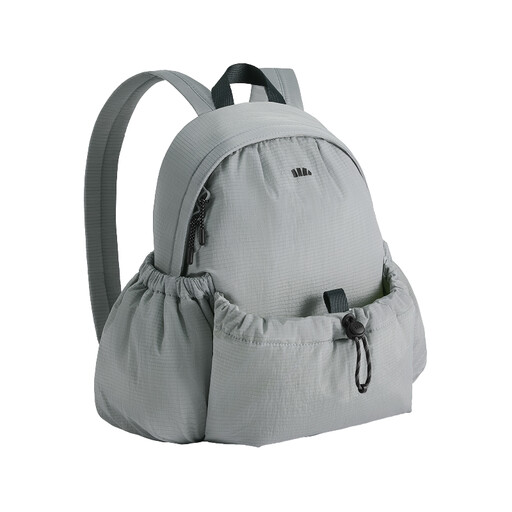
Why it stands out: This backpack shines with its versatility and smart design. Made from an ultra-soft yet durable nylon, it is incredibly lightweight (around 235 g). Its main advantage is its expandable design, which allows you to increase its capacity by 30% (from 10L to 13L) in an instant. Its water-repellent fabric offers good protection against wind, light showers, and stains, making it a top choice for both daily life and spontaneous outings.
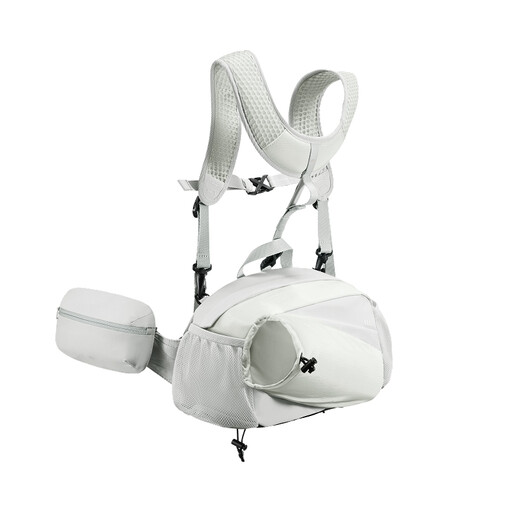
Why it stands out: The Beneunder LC359 is an ingenious model that combines a compact form with large capacity, thanks to its expandable volume and suitcase-style opening. It folds down in a flash, making it very easy to store. Its patented lightweight design reduces its empty weight by 50% compared to similar models. The StrongShield protection system, combining polycarbonate panels with a durable technical fabric, ensures excellent impact protection and supports a significant load. Its internal compartmentalisation is designed to optimise every corner.
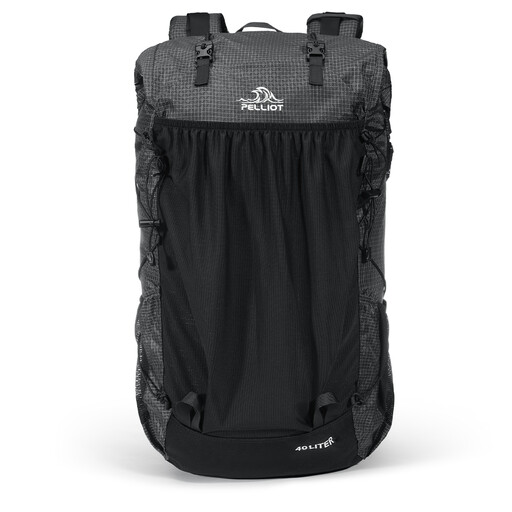
Why it stands out: This 40L trekking backpack is designed for demanding 2- to 3-day hikes. Its key feature is its highly advanced carrying system. It integrates an alloy frame which, combined with optimised load distribution, transfers most of the weight to the hips. The dynamic harness technology follows the hiker's movements, thereby reducing fatigue. Finally, its 3D-moulded back, with an ergonomic EVA panel and ventilated mesh, guarantees excellent airflow to keep your back dry.
Our selection highlights well-targeted models. If your needs are different or if you simply want to broaden your search, many other backpacks for men and women are available.
To discover a wider range of backpacks suitable for all activities and budgets, feel free to explore our Grey Market category.
For an itinerant hike like the Camino de Santiago, where nights are spent in guesthouses, a 35 to 45-litre pack is generally sufficient. It allows you to carry a change of clothes, a toiletry bag, a lightweight sleeping bag (or a silk liner), and daily essentials without being unnecessarily weighed down.
A fully waterproof backpack is an asset, but not essential. Most hiking packs are treated with a durable water repellent (DWR) finish, which is sufficient for a light rain. For total protection in a heavy downpour, using a rain cover (often included) remains the most effective and lightweight solution.
A good fit is absolutely crucial. Start by loosening all the straps, then load the pack with a weight equivalent to what you'll be carrying on your outing.