Joybuy Insights

How to Choose the Right Hiking Backpack

Finding the perfect hiking backpack can quickly become overwhelming. Between volume, carrying comfort, and material durability, it's easy to get lost in the options. Yet, the wrong pack can turn a beautiful day in nature into a real ordeal. This guide is here to help you make sense of it all by breaking down the essential criteria and presenting a selection of models suited for every activity, from a day hike to a long-distance trek.

How to Choose the Right Hiking Backpack

Before diving into our selection, let's review the three key points that define an excellent backpack for your adventures.

1. Capacity: The Right Volume for Every Adventure

A pack's capacity, measured in litres (L), is the first criterion to consider. It directly depends on the duration and type of your outing.

  • For day trips (10-25 L): A small hiking backpack is ideal for carrying a water bottle, a snack, a rain jacket, and a few personal items. Its light weight is a key advantage here.
  • For weekend hikes (30-50 L): A larger volume is necessary to accommodate a sleeping bag, a change of clothes, and basic toiletries.
  • For multi-day treks (50 L and up): For these trips, a trekking backpack or a large travel backpack is essential. It must be able to hold camping gear, food for several days, and clothing suitable for unpredictable weather.

2. Carrying Comfort: A Non-Negotiable Criterion

A pack, even when packed to the brim, must remain comfortable. Pay close attention to the following features:

  • Shoulder straps: They should be well-padded and fully adjustable to distribute the load across your shoulders without creating pressure points.
  • Back panel: A padded and, most importantly, well-ventilated back (using a mesh panel or ventilation channels) is crucial for wicking away sweat and staying comfortable over long periods.
  • Hip belt and sternum strap: These are essential for stabilising the pack and transferring the majority of the weight from your shoulders to your hips, your body's centre of gravity.

3. Materials and Waterproofing

The durability of your pack is directly linked to the quality of its materials. Fabrics like high-tensile nylon or polyester (often described as "ripstop") offer excellent protection against abrasion and tears.

When it comes to rain protection, there are two levels to distinguish:

  • Water-repellent: The fabric has been treated to make water bead up on its surface. This is sufficient for a passing shower.
  • Waterproof: A waterproof backpack incorporates a waterproof membrane or coating to protect its contents even in a downpour. Many models also come with a removable rain cover, which provides formidable protection.

Our Top Backpack Picks

Here is a selection of backpacks that cater to different profiles, from the seasoned trekker to the casual Sunday hiker.

NatureHike Rock 60+5L Internal Frame Hiking Backpack

NatureHike Rock 60+5L Trekking Backpack

Key Feature: Built for long distances and heavy loads, thanks to its robust frame and generous volume.

Highlights:

  • Large Capacity: With its 60+5 litres, it's perfect for multi-day treks and long-haul travel.
  • Supportive Structure: Its internal aluminium frame provides excellent support while remaining lightweight, complemented by an ergonomic carrying system.
  • Durable Materials: Made from high-performance technical fabric, it's built to withstand abrasion and moisture.
  • Practical Organisation: It includes several clever storage compartments on the shoulder strap and hip belt to keep your essentials (keys, smartphone, headlamp) within easy reach.

Who is it for? Trekkers and adventurers heading out for several days who need a reliable pack to carry substantial gear.
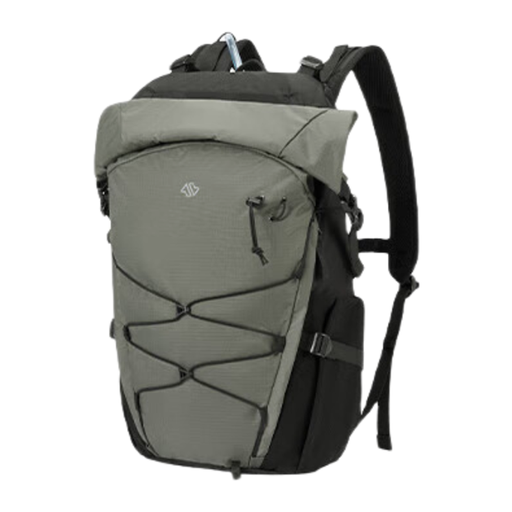
ochama×J.ZAO Sports Series Outdoor Hiking Backpack, 25L

ochama×J.ZAO 25L Hiking Backpack

Key Feature: A versatile and comfortable pack that's equally at home on a day hike or a daily commute.

Highlights:

  • Versatile Capacity: Its 25 litres is the ideal volume for a day trip, going to class, or using as a carry-on bag.
  • Comfortable Back Panel: The breathable back system and its ergonomic padding promote air circulation to reduce sweating during extended wear.
  • Lightweight Design: Its cotton and polyester blend makes it a lightweight backpack, comfortable for young people and occasional hikers.
  • Practical Dimensions: Its dimensions are compatible with the carry-on size for most airlines.

Who is it for? Day hikers, students, city dwellers, and travellers looking for a compact, comfortable, and all-around pack for daily use or short getaways.

PELLIOT Waterproof Bag Unisex Dry Bag, 10L

PELLIOT 10L Waterproof and Packable Bag

Key Feature: Its compact size and waterproof fabric make it an excellent backup bag for minimalist or rainy outings.

Highlights:

  • Ultra-Packable: The bag folds completely into its own pocket, making it ideal for slipping into a suitcase.
  • High Water Resistance: Its fabric, reinforced with a waterproof coating, effectively protects your belongings from rain and splashes.
  • Lightweight and Practical: With a 10-litre volume and a feather-light weight of just 200g, it's the perfect companion for cycling, short hikes, or city walks.
  • Safety Detail: The sternum strap includes an emergency whistle, a smart addition for safety in the great outdoors.

Who is it for? Those looking for a lightweight and ultra-compact backpack for short trips, or as a secondary bag to pull out during a long journey.

Can't Find What You're Looking For? Explore Other Options

Our selection is just a starting point to get you on the right track. If your dream pack isn't here, or if you simply want to explore other volumes, styles, and features, a much wider range awaits you.

Discover our complete collection of hiking backpacks

Frequently Asked Questions (FAQ)

What size backpack for a day hike?

For a day hike, a 10 to 25-litre pack is generally ideal. This volume allows you to carry the essentials (water, a picnic, a fleece or windbreaker, a small first-aid kit, personal items) without weighing you down unnecessarily.

How do you properly adjust a hiking backpack?

A perfect fit is key! Start by loosening all the straps. Load the pack with a weight representative of what you'll be carrying. Put it on, then first tighten the hip belt so it rests comfortably on your hips. Next, adjust the shoulder straps so the pack sits snugly against your back. Finish with the sternum strap to stabilise the load, and the load lifters (if your pack has them) to bring the top of the pack closer to your shoulders.

Is a hiking backpack always waterproof?

No, not always. Most packs are "water-repellent," meaning they can resist light rain or a passing shower. For complete protection, look for a waterproof backpack with sealed materials and welded seams, or opt for a model that comes with a rain cover. The latter remains the surest way to keep your gear dry in a downpour.


Joybuy, your Joybuy Product Advisor