
Livraison le jour même ou le lendemain

Qualité garantie

Débloquez vos offres de bienvenue: Livraison GRATUITE | Jusqu'à -80 % | 30 jours d'essai gratuits à JoyPlus
Téléchargez l'application
The wrong backpack can turn the most beautiful hike into a nightmare. Shoulders aching from the weight, gear inaccessible at the bottom of a poorly designed catch-all... choosing this piece of equipment is anything but trivial. Faced with a jungle of models and sometimes opaque marketing jargon, it's hard to know where to start.
Our mission with this guide? To shed some light. As the Head of Product Selection at Joybuy, I'll break down the essentials for you and offer concrete advice to help you find THE hiking backpack that's truly right for you. No fluff.
Before diving into our selection, let's review the three essential criteria to ensure you make the right choice.
Volume, measured in litres (L), is the starting point. It is chosen primarily based on the length of your getaways.
You can have the best gear in the world, but if your pack is torturing your back, the adventure will be cut short. Comfort isn't an option, and it rests on several pillars:
Your pack will be put through its paces: branches, rocks, downpours... Its sturdiness is non-negotiable.
Let's get to the specifics with a selection of models that caught our attention for their technical specs and versatility, each tailored to a specific use.
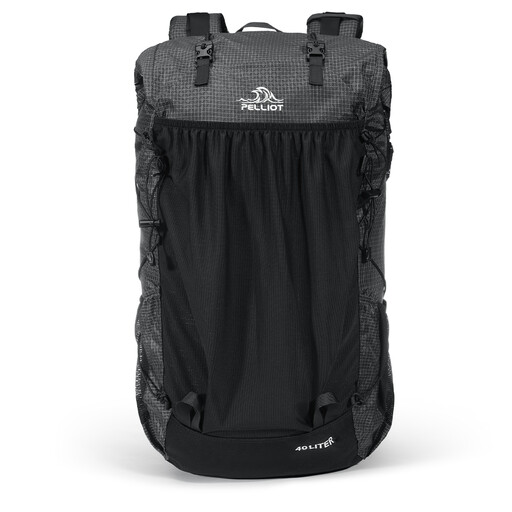
Its strong suit: This PELLIOT backpack is designed for 2- to 3-day hikes. Its key feature is its highly advanced harness system. It features an alloy frame designed to take the load off your shoulders and back by transferring most of the weight to your hips. The manufacturer also highlights its dynamic harness, whose shoulder straps are said to follow the body's movements to reduce fatigue over time.
What we like:
Who is it for? Long-distance hikers and trekkers heading out for 2 or 3 days who are looking for a well-structured pack that offers excellent support with a moderate load.
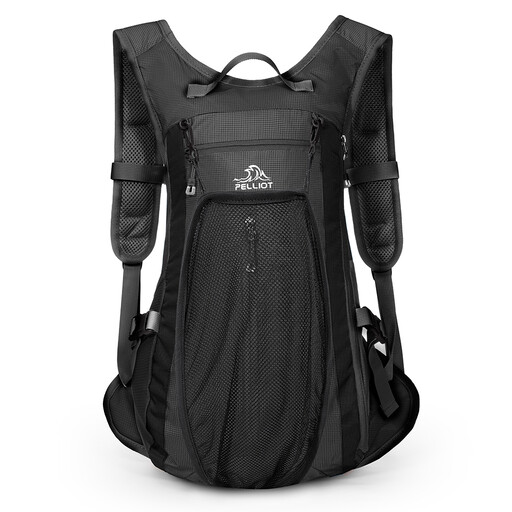
Its strong suit: This trail running backpack focuses on lightness and stability above all else. The manufacturer sums it up with its "S.L.F" concept (Stable, Lightweight, Fast access). Its vest-like harness hugs the torso to minimise bouncing during exertion. The ripstop polyester construction ensures good abrasion resistance, a real plus on challenging trails.
What we like:
Who is it for? Trail runners, mountain bikers, and fast hikers who want a minimalist, stable, and lightweight pack to carry the bare essentials without being weighed down.
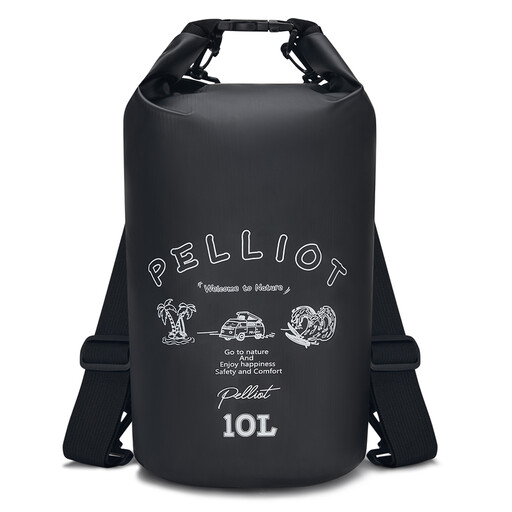
Its strong suit: Its versatility and compactness. This small 10L water-repellent backpack has the unique feature of packing down completely into its own pocket, becoming tiny. Its treated fabric offers effective protection from showers. A small safety bonus: the emergency whistle integrated into the sternum strap.
What we like:
Who is it for? Those looking for a small, do-it-all bag for everyday use, travellers who need an ultra-light daypack, or for water activities where basic splash protection is sufficient.
Our selection covers specific uses, but the world of backpacks is vast. Every adventurer has their own criteria for volume, features, or style. If you haven't found your perfect match yet, don't worry: hundreds of other options are available.
Feel free to explore our complete collection of bags and luggage to find the companion for your next adventures.
1. What size backpack for a 2-day hike? For a 2-day trip with an overnight stay in a hut, a volume of 30 to 40 litres is usually ideal. It's enough to carry a change of clothes, a fleece or down jacket, a wash bag, water, and food, without being too bulky. The 40L backpack is an excellent all-rounder.
2. How do you properly adjust a hiking backpack? This is the key step for good comfort! Start by loosening all the straps, then load your pack with 5 to 8 kg to simulate real conditions.
3. Is a hiking backpack truly waterproof? Watch the terminology! Most packs are "water-resistant," not "waterproof." In practical terms, their fabric has a coating that causes water from a light rain or a brief shower to bead up and roll off. But during heavy or prolonged rain, water will eventually seep through the seams and zips. For total protection, a rain cover is essential. True waterproof packs, often dry bag style, are rarer and reserved for specific uses (canyoning, kayaking, etc.).