
Livraison le jour même ou le lendemain

Qualité garantie

Débloquez vos offres de bienvenue: Livraison GRATUITE | Jusqu'à -80 % | 30 jours d'essai gratuits à JoyPlus
Téléchargez l'application
A broken object, an urgent repair, a DIY project... The reflex is almost universal: grabbing a tube of "super glue." However, this simple act often ends in disappointment: the bond gives way, an unsightly drip, or worse, the infamous dried-out tube that's useless on the second try. The market is flooded with promises, but let's be clear: not all strong glues are created equal.
As a product expert at Joybuy, my mission is to help you demystify the DIY aisle. Let's forget the marketing jargon and get straight to the point. Here are the most common pitfalls and, more importantly, how to avoid them to finally find the perfect glue for your needs.
To avoid making the wrong choice again, simply check three key points on the packaging. They determine whether the glue will be effective for your project.
The generic term "strong glue" mainly covers two product families with very different uses:
The texture of the glue is a critical factor for a clean and successful job.
This is the most critical point. Before buying, carefully read the list of compatible materials on the back of the pack. If you see "not suitable for PE, PP, PTFE," forget about it for most everyday plastic objects. For these specific cases, you absolutely need a specialty plastic glue, often sold with a "primer" (or activator) to be applied beforehand. And for the bathroom or outdoors, a water-resistant glue is non-negotiable.
To guide you, here are a few recommended options, each tailored to a specific user profile and need.
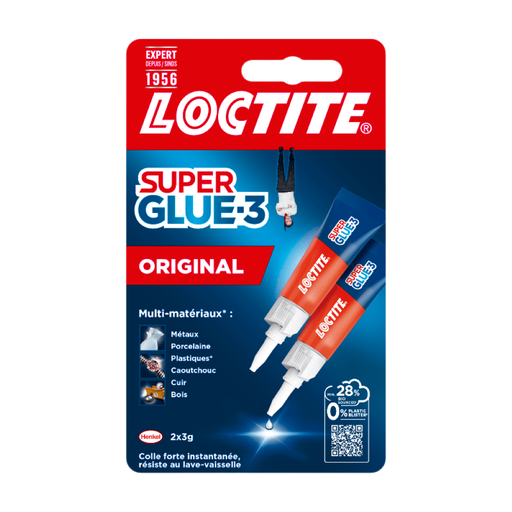
Why we chose it: It's the gold standard for small, everyday repairs. The kind of tube you should always have in a drawer to save a mug, a loose shoe sole, or a wooden toy.
The format of small 3g tubes puts an end to waste and premature drying. You only open what you need, while the other tube remains perfectly sealed.
Its transparent, instant-setting liquid formula is resistant to water and temperature changes. A reliable choice for a multitude of materials (except PE/PP plastics).
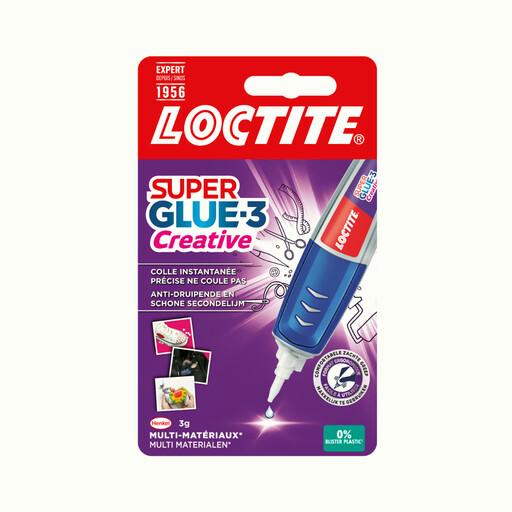
Why we chose it: The perfect tool for craft enthusiasts, model makers, or any repair requiring watchmaker's precision. Gluing becomes as simple and precise as drawing a line with a pen.
Its gel formula doesn't drip, which solves the problem of applications on vertical or complex surfaces. The pen format, with its pressure system, offers total, drop-by-drop flow control.
Precision and cleanliness. No more glued fingers or unsightly messes. Perfect for costume jewellery, scale models, and all bonding jobs in hard-to-reach areas.
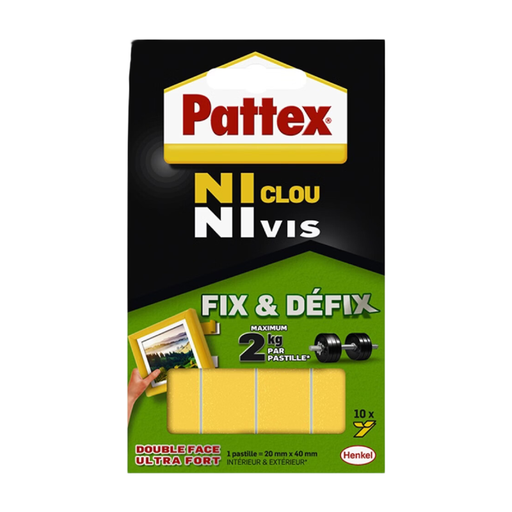
Why we chose it: The dream solution for anyone who wants to hang light objects (frames, hooks, small accessories) without taking out the drill. A must-have for renters or weekend DIYers.
This isn't a glue, but a double-sided mounting adhesive. Zero risk of drips, incorrect dosage, or mess. Application is ultra-simple, clean, and best of all, reversible without leaving a trace.
Flexibility and reversibility. Each tab holds up to 2 kg (according to Henkel's specifications) and can be removed cleanly. Ideal for changing your decor on a whim without damaging the walls.
We have put together a complete selection of products that meet our selection criteria and current safety standards.
Above all, don't force it! The right move: soak the area in warm, soapy water for a few minutes. Then, gently try to peel the skin apart, for example with the edge of a spoon. Acetone (found in some nail polish removers) is effective but should be used sparingly and with caution on skin.
Yes, but under certain conditions. Cartridge formulas like Pattex No More Nails Ultra Strong are designed for much heavier loads than adhesive tabs (skirting boards, wall shelves...). It is imperative to respect the maximum weight indicated by the manufacturer and to ensure that at least one of the two surfaces is porous (plaster, wood, brick) for optimal adhesion.
After each use, wipe the nozzle thoroughly with a dry cloth to remove any residue. Reseal the cap as tightly as possible. The trick for long-term storage: store the tube upright in a cool, dry place. Some experts even recommend placing it in the refrigerator (out of reach of children, of course) to slow down the curing process.